A Legacy of Community and Hard Work
For many years, the corner of Wood and Victoria Street in Mackay was a hub of conversation and camaraderie among Maltese migrants. It was here that men like Emanuel Camilleri would gather, sharing stories and laughter over topics ranging from the price of sugar to the latest arrivals in town. His wife, Domenica Camilleri, described him as “a rat bag” — loud, rowdy, and full of life. Despite his boisterous nature, he was loved by everyone who knew him.
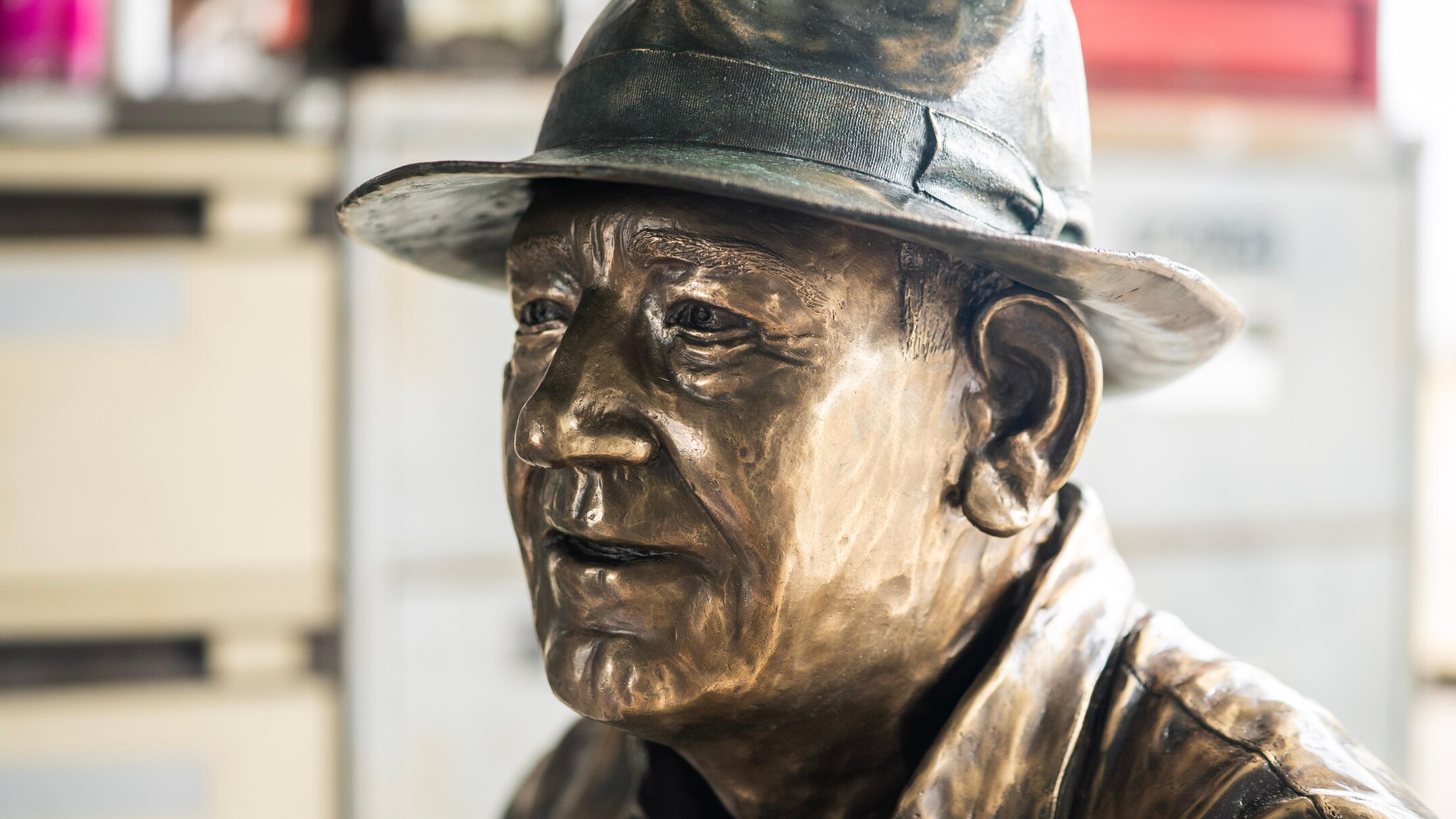
A new statue of Emanuel Camilleri, who passed away last year, will soon join other notable figures such as Sam Bezzina and John Vassallo at the “Maltese Corner” in Mackay. For Domenica, seeing a bronze replica of her husband after more than 50 years of marriage was an emotional moment. She recalled how, when Emanuel first arrived in Australia, all he knew was farming. Through years of hard work, he managed to purchase a sugarcane farm just after they married, using that corner of the street to support the next generation of newcomers.
From Malta to Mackay
Carmel Baretta, a local historian, has been documenting the experiences of Maltese migrants in Mackay. In 2021, she played a key role in forming the Maltese Corner Fundraising Group, which successfully raised over $300,000 through community donations within 18 months for the statues.
For Mrs Baretta, this project is deeply personal. Her father, Sam Bezzina, migrated to Australia as a young man, like many Maltese men after World War II. These migrants worked tirelessly, aiming to save enough money to buy a farm. However, due to a lack of collateral and savings, they often relied on established Maltese farmers who had some money saved up.
Men like Mr. Bezzina and Mr. Camilleri stepped in to help the next generation. They pooled their resources, went to the bank, and supported young men who wanted to buy farms. This system enabled many people to settle in Mackay and build a better future.
While her father was one of the three men depicted in the statues, Mrs Baretta emphasized that the project was about honoring the broader contributions of the Maltese community to the region. She hopes that the statues will spark interest and help people learn more about Mackay’s history.
A Huge Honour
The task of creating the statues fell to self-taught sculptor Kay Paton. In her large shed in Nebo, each statue began with a steel frame. Layers of foam and plasticine clay were then molded before individual sections were cast in bronze and assembled.
“It’s been a huge honour to be part of this depiction of our history,” Ms. Paton said. Her family has always admired the Maltese community, and she feels her father would be proud of her involvement in this project.
The five-year process involved visits from the families of the men to her workshop. These visits brought the old, boisterous community together again. Ms. Paton described noisy gatherings where as many as 15 family members would come for tea and a chat while she worked.
One particular visit stood out. Mr. Camilleri was the only man directly involved in the process of forming his own statue before he passed away. His daughter, Carmel Evetts, shared how emotional it was for her mother to see the statue. She said, “Oh my God, I just want to hug him.” Another daughter, Jo Lean, added that for them, it was different because they had only recently lost their father, making the experience still very raw for the family.
A Lasting Reminder
Although the men no longer gather at the corner, the three bronze statues stand as a silent, enduring reminder of the informal network that helped a generation of migrants turn hard labor into land ownership. Their legacy lives on, not only in the statues but in the stories and contributions of the Maltese community in Mackay.