School Denies Advising Parents to Withhold Information from Children
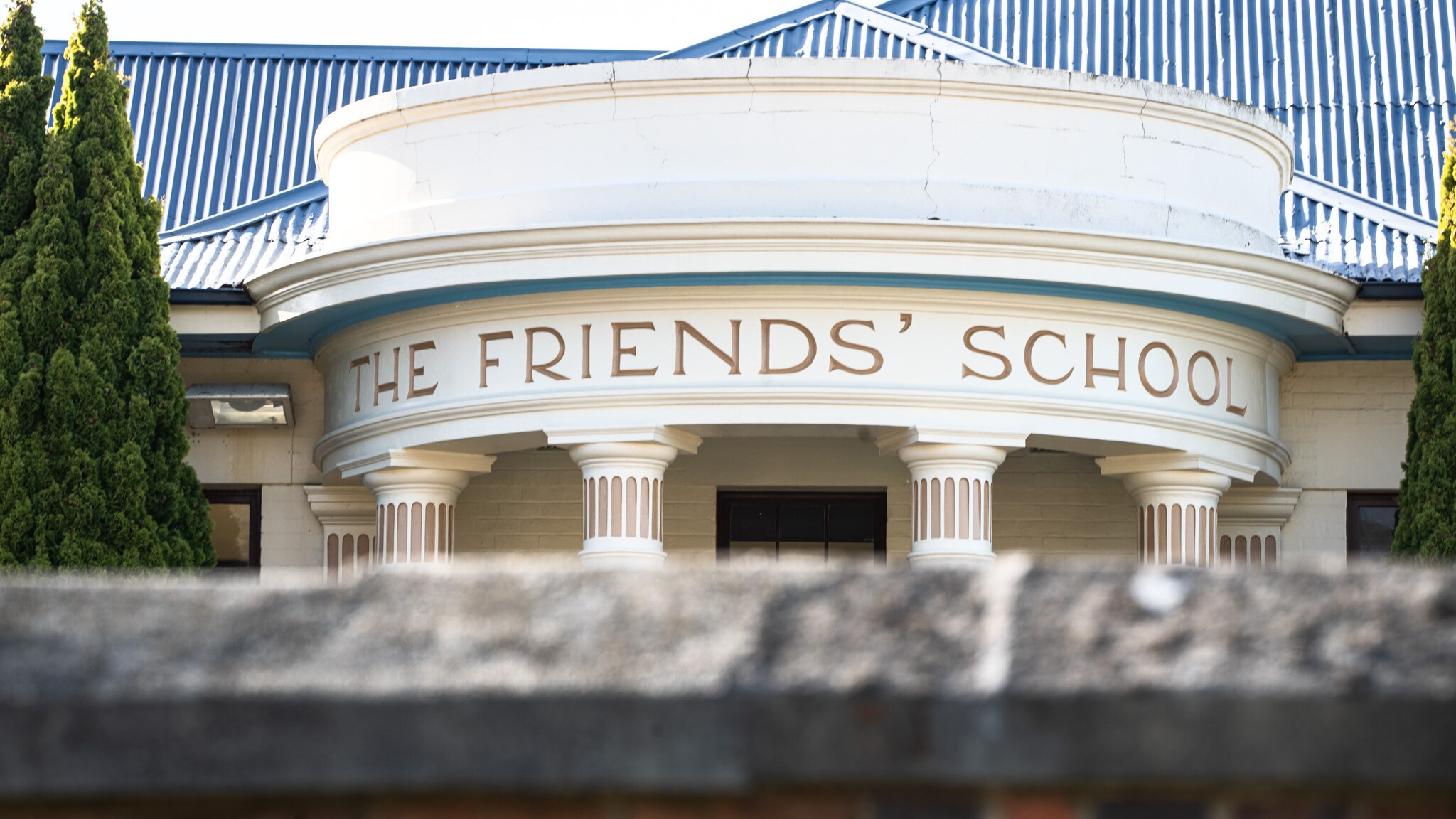
A private school in Tasmania has come under scrutiny for its handling of an AI deepfake incident, where students were allegedly involved in the creation and sharing of explicit images. The Friends’ School has denied claims that it encouraged parents not to inform their children about the situation.
Two parents told the ABC that senior staff at the school had informed them that their daughters had been identified in AI-generated pornographic images. During these conversations, they were reportedly advised that most parents were choosing not to tell their children. The faked images, which were allegedly shared among male students, led to 21 girls being identified as victims by police.
Five boys have since left the school, although no charges have been laid. In a formal complaint, one parent stated that they were told “most parents had chosen not to inform their children,” which was described as being in the best interests of the students.
The parents expressed concern that their daughters felt isolated and unsupported because they did not know if their peers had been informed. One parent noted that their daughter was unable to talk openly about the issue at school.
In response, the principal of The Friends’ School, Esther Hill, sent an email to all parents stating that the school had never advised families to withhold information from their children or prevent them from speaking with trusted adults. She criticized the ABC’s reporting, claiming it omitted important details regarding privacy, support for families, and guidance from authorities.
The ABC included parts of the school’s statement in its coverage, as well as interviews with police and support services. One parent who spoke to the ABC called the school’s denial “hideous,” recalling the specific words used by school staff and the awkwardness that followed.
Focus on Student Wellbeing
In her email, Principal Hill emphasized that student wellbeing is central to all decisions made by the school. She acknowledged the distressing nature of the situation and stated that the school had worked closely with families to support them through this challenging time. She also mentioned that communication with families was guided by police and expert advice, aiming to balance transparency, investigation integrity, and the well-being of those involved.
The email provided families with links to support services such as the eSafety Commissioner, Lifeline, and Kids Helpline. However, one parent disputed whether they received sufficient support, stating that they were given a list of external agencies and left to deal with the fallout on their own.
Importance of Agency and Support
Laurel House CEO Kathryn Fordyce highlighted the importance of schools preparing for deepfake incidents, noting that such situations are not a matter of “if” but “when.” She stressed that without a clear plan, institutions may struggle to respond effectively, leading to potential harm to victims.
Fordyce pointed out that institutions sometimes prioritize their reputations over the experiences of those affected, particularly young women. She emphasized the need for schools to ensure that victims have agency and control over the support they receive.
She advised parents to seek guidance from sexual violence support services like Laurel House. Trauma-informed care, she said, should empower victims to make informed decisions about their care and support moving forward.
Seeking Further Information
If you have more information about this story, you are encouraged to reach out and share your insights.