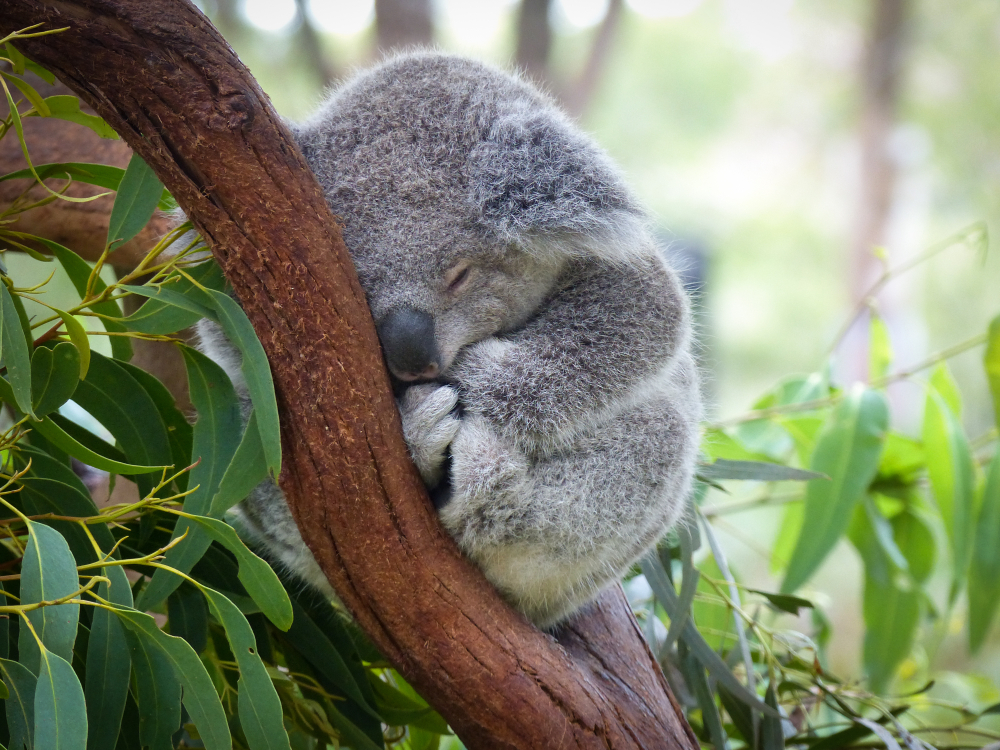
The Unique Status of Kangaroo Island’s Koalas
Kangaroo Island is home to a remarkable population of koalas that are free from chlamydia, a disease that has severely impacted koala populations on the mainland. This unique situation has caught the attention of scientists who are now exploring how these animals could play a crucial role in revitalizing koala populations elsewhere.
Chlamydia, caused by the bacterium Chlamydia pecorum, can lead to serious health issues such as blindness, infertility, and even death in koalas. On the mainland, infection rates have reached as high as 88%, making it one of the most significant threats to the species’ survival.
The Advantage of Isolation
The isolation of Kangaroo Island has played a key role in protecting its koalas from chlamydia. Experts describe this as a natural safeguard for the species. Natasha Speight, a researcher at the University of Adelaide, highlighted that the island’s population is “the largest population in Australia with this status.”
However, this protection comes with its own challenges. The island’s koalas are descendants of a small group introduced in the 1920s, resulting in low genetic diversity. This lack of genetic variation makes them more susceptible to health issues and environmental changes.
Health Challenges and Genetic Defects
Researchers have observed various health problems among the island’s koalas. Julian Beaman, another researcher, noted cases of males with one testicle or none, as well as spinal deformities. These findings underscore the need for intervention to improve the genetic health of the population.
The Plan for Genetic Rescue
To address these issues, scientists are implementing a strategy known as genetic rescue. This involves introducing more genetically diverse koalas to strengthen the population. Researchers from Flinders University plan to bring selected mainland koalas to the island to breed naturally with local animals. The goal is to enhance genetic health while maintaining the population’s disease-free status.
If successful, these koalas could later be reintroduced to parts of mainland Australia where chlamydia rates are lower. Carolyn Hogg of the University of Sydney emphasized the importance of this intervention, stating that the population is “highly inbred.”
Facing New Threats
Despite their disease-free status, Kangaroo Island’s koalas face other challenges. The bushfires in 2019-20 killed around 80% of the population, drastically reducing their numbers. Habitat loss has also added pressure, particularly after logging activity reduced key food sources.
In response, conservationists established a protected sanctuary to secure land for surviving animals. This site will support research and conservation efforts, as well as attract visitors to help fund ongoing work.
A Long-Term Mission
Restoring genetic diversity is a long-term mission that will take years. Early steps include breeding trials and DNA analysis. Hogg highlighted that this is “the first time genetic rescue will have been done for koalas at this scale.”
The long-term goal is to create a koala population that is both genetically strong and free from disease. This could serve as a model for conservation efforts nationwide. Experts believe the project could help stabilize declining koala populations and provide a blueprint for protecting other vulnerable species.
Ongoing Research and Conservation Efforts
Researchers continue to monitor and study the koalas on Kangaroo Island. Their work includes tracking the progress of genetic rescue efforts and assessing the impact of conservation strategies. These efforts are essential in ensuring the survival of this unique population and the broader koala species.
By combining scientific research with conservation initiatives, the team hopes to create a sustainable future for Kangaroo Island’s koalas and set a precedent for similar projects across Australia.