
Rising Concerns Over Vaping and Behavioral Issues in Scottish Schools
A growing number of concerns are being raised about the impact of vaping on secondary school students in Scotland. A leading medical expert has highlighted that the use of e-cigarettes is contributing to an increase in behavioral problems among pupils, with many experiencing nicotine withdrawal symptoms that affect their academic performance and classroom conduct.
Recent surveys have indicated that one in ten young people aged 11 to 17 in Scotland regularly use e-cigarettes. This trend has led to significant concerns among schools, as students often skip class to vape in toilets, sometimes triggering fire alarms in the process. These incidents are not just a matter of inconvenience but signal a deeper issue related to addiction and its consequences.
Professor Steve Turner, president of the Royal College of Paediatrics and Child Health (RCPCH), has emphasized that many of these children are likely to be addicted to nicotine. He explained that this age group is particularly vulnerable to developing an addiction due to the way their brains are still developing.
“Children who are using vapes are addicted and because of their withdrawal symptoms they’re not attentive in class, they’re disruptive in class,” he said. “They are a huge problem in our academies and secondary schools in Scotland.”
The National Health Service (NHS) notes that individuals dependent on nicotine may feel ‘normal’ only when they have access to it. When they experience withdrawal, they can become easily upset, irritable, frustrated, or angry. They might also feel anxious, tense, or low in mood and struggle with concentration.
According to Professor Turner, teachers are often the first to notice the effects of nicotine addiction on students. “If you speak to school teachers, they’ll spot the kids who are addicted to nicotine and are struggling when they’re not being able to vape all of the time,” he added.

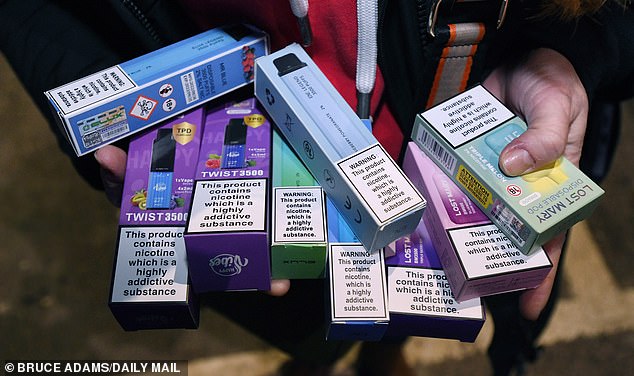
He also pointed out that some behaviors that parents might dismiss as typical teenage behavior could actually be linked to nicotine withdrawal. “Parents might just put it down to teenagers being teenagers, whereas actually, what the children are experiencing is nicotine withdrawal.”
While NHS Scotland offers smoking cessation programs for people of all ages, Professor Turner believes more targeted efforts are needed to help young people overcome their nicotine dependence. He expressed hope that the recently passed Tobacco and Vapes Bill will make a positive difference. The bill makes it illegal across the UK to sell tobacco to anyone born on or after January 1, 2009. It also includes measures to ban the advertising and sponsorship of vapes and nicotine products, along with powers to restrict their packaging, branding, and displays that appeal to children.
Professor Turner welcomed the bill, which the RCPCH helped shape and support. He stated that it will “reduce the unacceptable burden that tobacco and vaping places on today’s youth, and also protect future generations from the harms of nicotine addiction.”
However, he stressed the importance of addressing the impact nicotine has already had on young people. “One of the problems that we have is that we’ve now allowed children under the age of 18 to get addicted to nicotine. They absolutely need to recognize that children are addicted to nicotine, and they need help in coming out of that addiction.”