The Evolution of Formula 1 and the Role of Partnerships
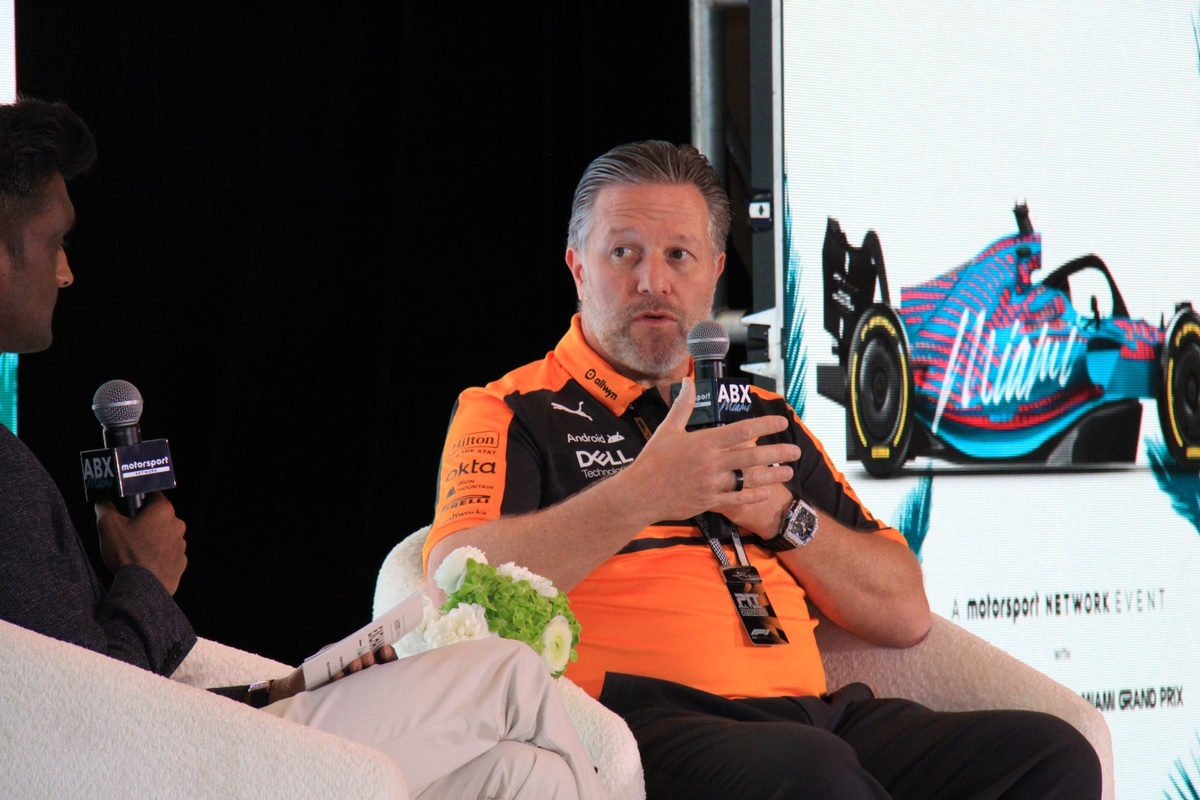
Formula 1 has undergone a significant transformation over the years, both in terms of its commercial strategy and fan engagement. According to Zak Brown, the CEO of McLaren Racing, modern race weekends have evolved into something akin to 24 Super Bowls for fans, highlighting the scale and excitement that now surrounds each event.
Brown made these remarks during a discussion at the Autosport Business Exchange Miami, which took place ahead of the Miami Grand Prix. He emphasized how much the race weekends have changed from a commercial perspective, particularly in terms of the partnerships and sponsorships involved.
As someone who has played a key role in McLaren’s commercial success, Brown believes that today’s race events cater to both business-to-business (B2B) and fan-facing partners. This dual focus allows the team to build a more robust and sustainable business model.
“I see Formula 1 as 24 Davos from a business point of view, and 24 Super Bowls from a fan point of view,” he said. “These events are all just massive now.”
Strategic Partnerships for Growth
Brown explained that McLaren seeks out partners who align with the brand’s values and can contribute meaningfully to the team’s success. There are two main categories of partners: those on the B2B side and those focused on fan engagement.
Business-to-business partners: These are companies that help improve McLaren’s performance as a racing team. They might provide advanced technology for the race car or support operational efficiency at the factory. These partnerships often involve storytelling around the collaboration, showcasing how the technology or services contribute to the team’s success.
Fan-facing partners: These are consumer brands that help McLaren connect with its fan base. They play a crucial role in creating engaging experiences for fans, such as live events or digital content. Without these partners, it would be challenging to deliver the kind of immersive experiences that fans expect.
Brown also highlighted the importance of B2B interactions during race events. “There are a tremendous amount of executives that run around the Miami Grands Prix of the world, so there’s a lot of business-to-business that’s being facilitated where the racing is, just where everyone comes together.”
Expanding Fan Engagement Through Collaboration
In addition to B2B partnerships, McLaren relies heavily on consumer brands to grow and engage its fan base. These partnerships allow the team to create unique experiences that resonate with fans and strengthen their connection to the sport.
“Without MasterCard and partners of such, we wouldn’t have been able to bring that to our fans,” Brown noted. “So we really rely on our partners to activate our fan base, grow our fan base, engage our fan base, or business-to-business partners.”
He emphasized that the role of sponsors has evolved beyond simply placing a logo on the side of a car. Instead, they are now integral to the overall business strategy.
“It’s no longer a sticker on the side of the car, and because I love the commercial side of the business, the quantity of partners is only additive to the business that they all generate amongst each other.”
A Diverse Portfolio of Partners
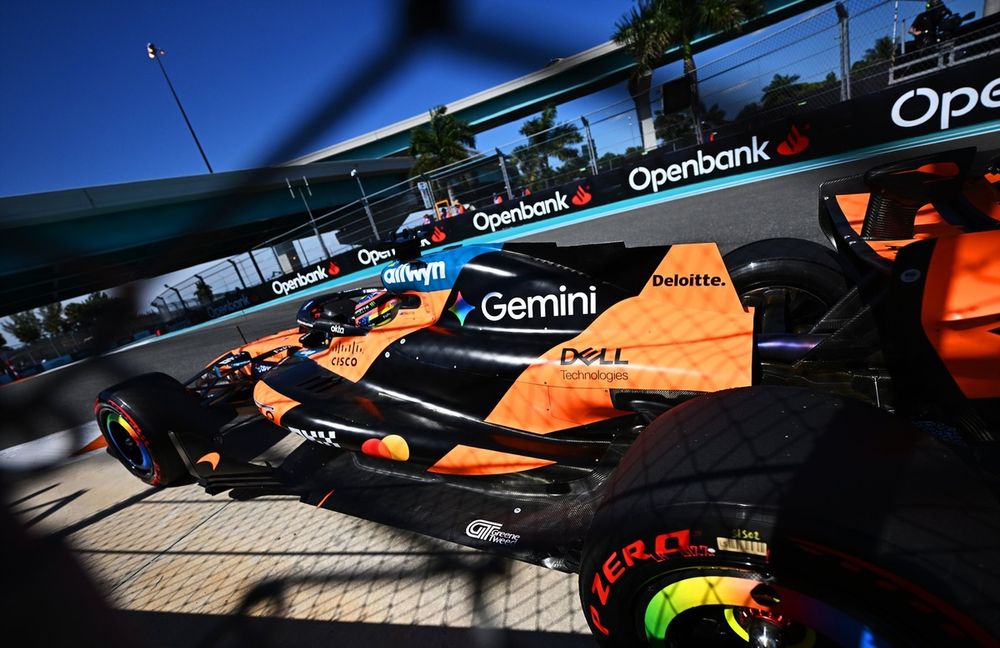
McLaren’s current list of partners reflects this strategic approach. The team has formed collaborations with major brands such as Mastercard, Google, Allwyn, Cisco, Puma, Android, Hilton, and T-Mobile, among others. These partnerships not only support the team’s operations but also enhance the fan experience through innovative programs and events.
As Formula 1 continues to grow in popularity and commercial value, the role of these partnerships will become even more critical. By aligning with like-minded brands, McLaren is well-positioned to thrive in an increasingly competitive landscape.