Sydney Sweeney’s Bold Tactics to Boost Her Lingerie Brand
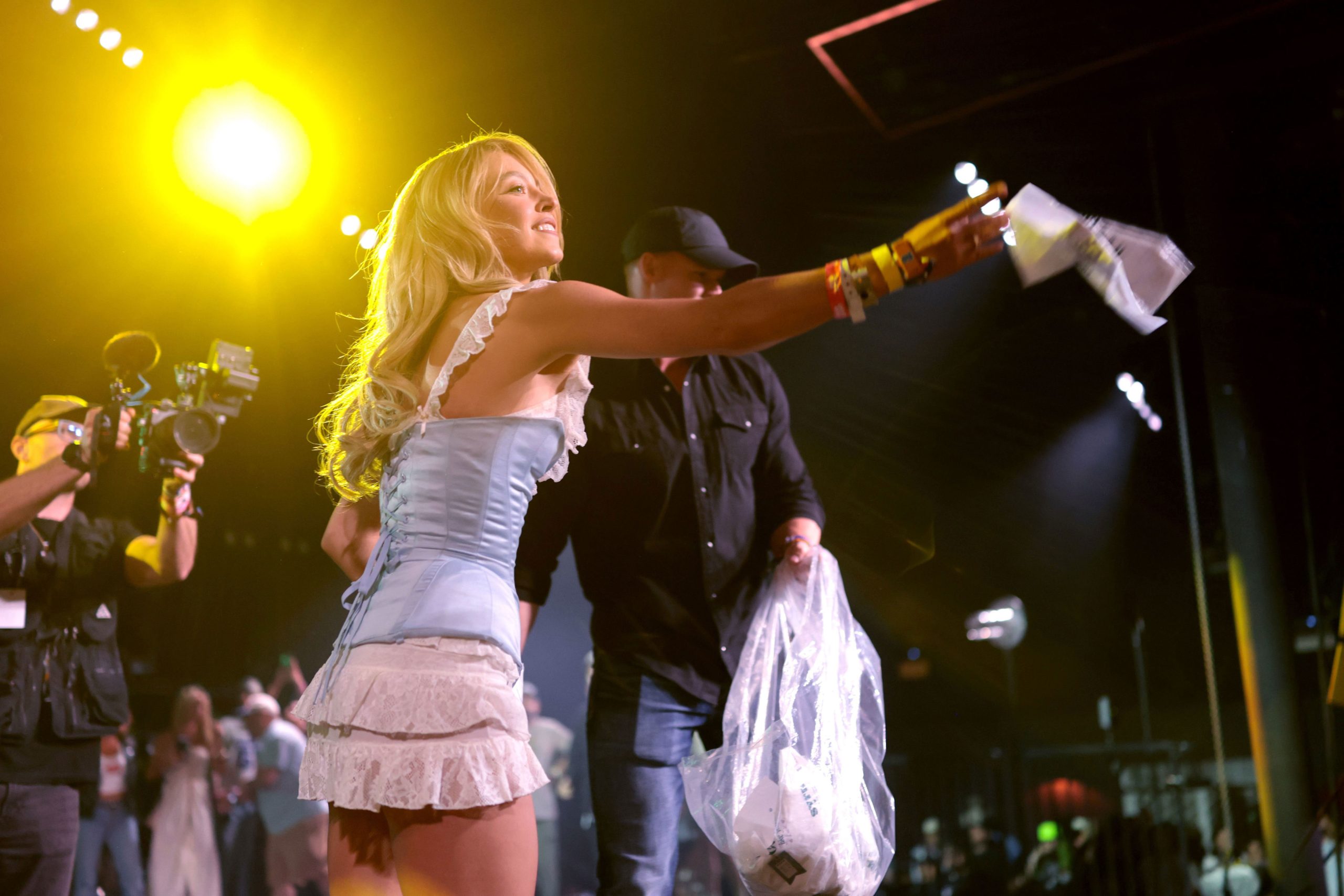
Sydney Sweeney, known for her role in Euphoria, has taken a unique approach to promoting her own lingerie brand, SYRN. In one of her most eye-catching stunts, she was seen throwing handfuls of her underwear to a country-yodelling crowd. This attention-grabbing moment wasn’t random—it was a calculated move designed to generate headlines and boost visibility for her brand.
In a world where attention is the most valuable currency, celebrities often go to great lengths to ensure they remain in the public eye. Sweeney’s latest stunt, while bold, was relatively tame compared to her previous efforts. In January, she climbed the Hollywood sign to hang SYRN bras from it, despite having no official authority to do so. Although she faced potential vandalism charges, she ultimately avoided legal trouble when Jeff Zarrinnam, head of the Hollywood Sign Trust, claimed parts of the footage were digitally altered.
While some critics have called Sweeney’s antics “desperate,” there’s no denying their effectiveness. They have certainly sparked conversations and kept her brand in the spotlight. The question remains: are these kinds of risky moves necessary for success, or can celebrities still gain recognition through more traditional methods?
Controversial Stunts That Made Waves
There are numerous examples of celebrities, brands, and causes going too far in their pursuit of publicity. One such case involved Bollywood actress Poonam Pandey, who faked her own death on Instagram in 2024 to raise awareness about cervical cancer. She posted a statement claiming she had “bravely fought the disease” and died. Obituaries from media outlets followed, and fellow stars shared mournful tributes.
However, Pandey reappeared just 24 hours later, revealing that her death had been a hoax. “Yes, I faked my demise, extreme I know. But suddenly we all are talking about cervical cancer, aren’t we?” she said. While some praised her for sparking a conversation, others criticized the stunt as “unethical and manipulative.” Despite the backlash, Pandey stood by her decision, stating, “I am proud of what my death news has been able to achieve.”
When Marketing Goes Wrong
Not all publicity stunts end successfully. In 2009, Oprah Winfrey partnered with KFC to promote its new menu item, the Kentucky Grilled Chicken. She offered her viewers a free coupon for 24 hours, but the campaign backfired when KFC couldn’t meet the overwhelming demand. Stores ran out of chicken, and customers couldn’t even access the website to claim their offer. The promotion was eventually canceled, leaving KFC scrambling to manage the fallout.
Another infamous example was Kendall Jenner’s Pepsi commercial in 2017. The ad depicted her joining a protest and handing police officers a can of soda, which was widely criticized for appropriating a serious social movement. The ad was pulled after just one day, with Pepsi issuing an apology: “Pepsi was trying to project a global message of unity, peace and understanding. Clearly we missed the mark, and we apologise.”
Legal Consequences of Misuse
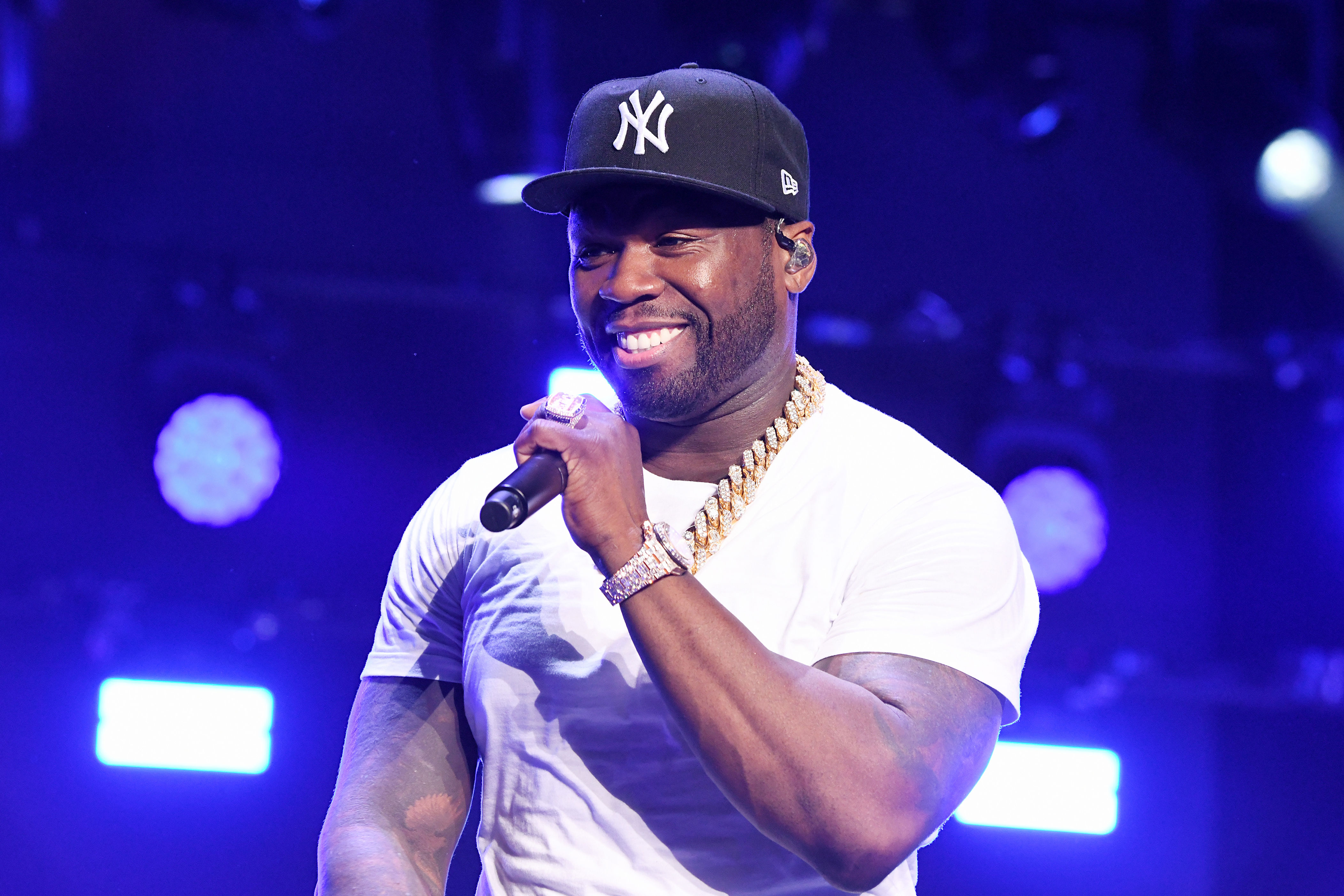
Sometimes, using a celebrity for publicity without permission can lead to legal trouble. In 2008, Taco Bell faced a lawsuit from rapper 50 Cent after using his name and image in an ad campaign without his consent. The ad featured a fake letter asking 50 Cent to change his name to 79, 89, or 99 Cent. The campaign led people to believe he endorsed the brand, causing backlash for “selling out.”
Curtis Jackson, 50 Cent’s real name, sued Taco Bell for $5.5 million. The lawsuit was eventually settled, with both parties covering their own legal fees.
These cases highlight the fine line between effective marketing and controversial tactics. Whether celebrities should take such risks is a topic of ongoing debate. However, one thing is clear—staying relevant in today’s fast-paced media landscape requires creativity, courage, and sometimes, a willingness to push boundaries.