New research has revealed that even small increases in daily moderate-to-vigorous intensity physical activity can significantly reduce the risk of death. This groundbreaking study, published in The Lancet, examined data from nearly 95,000 middle-aged and older adults in the UK, as well as 40,000 individuals from Norway, Sweden, and the US. The findings suggest that just five additional minutes of exercise per day could lower the risk of death by 10% among the general population.
In the UK arm of the study, which used data from the UK Biobank, it was also found that reducing sedentary time by 30 minutes a day could lead to a 4.5% reduction in deaths among all participants, excluding those who were already very active. These results highlight the importance of incorporating even minimal movement into daily routines, showing that small changes can have significant health benefits.
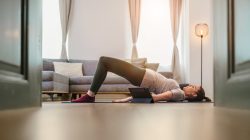
Tara Riley, a pilates, barre, and strength trainer, has shared five short-burst exercises that can easily be integrated into even the busiest schedules. These exercises are designed to help people stay active and improve their overall fitness without requiring large amounts of time or equipment.
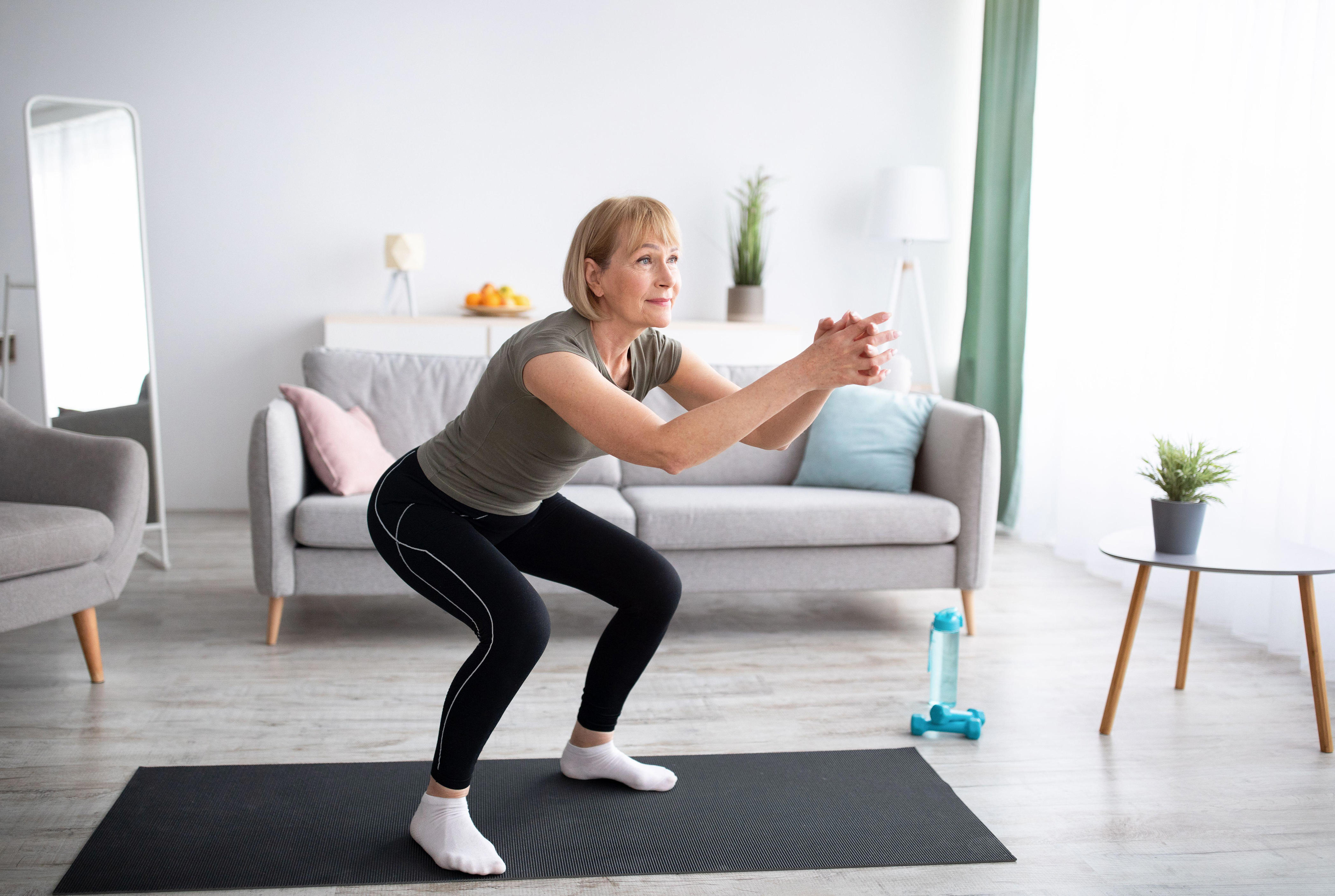
1. Squats
Squats are an excellent way to reactivate the glutes and engage the legs, especially after long periods of sitting. According to Riley:
“For a standard squat, just put your legs about hip-width apart and send your bottom backwards and shift your weight into your heels. You could even do some squats hovering over a chair as that can help give you a good sense of where your body should be. If you want to make them harder, you could also do little pulses to really fire up your legs so your glutes feel really warm by the end of it.”
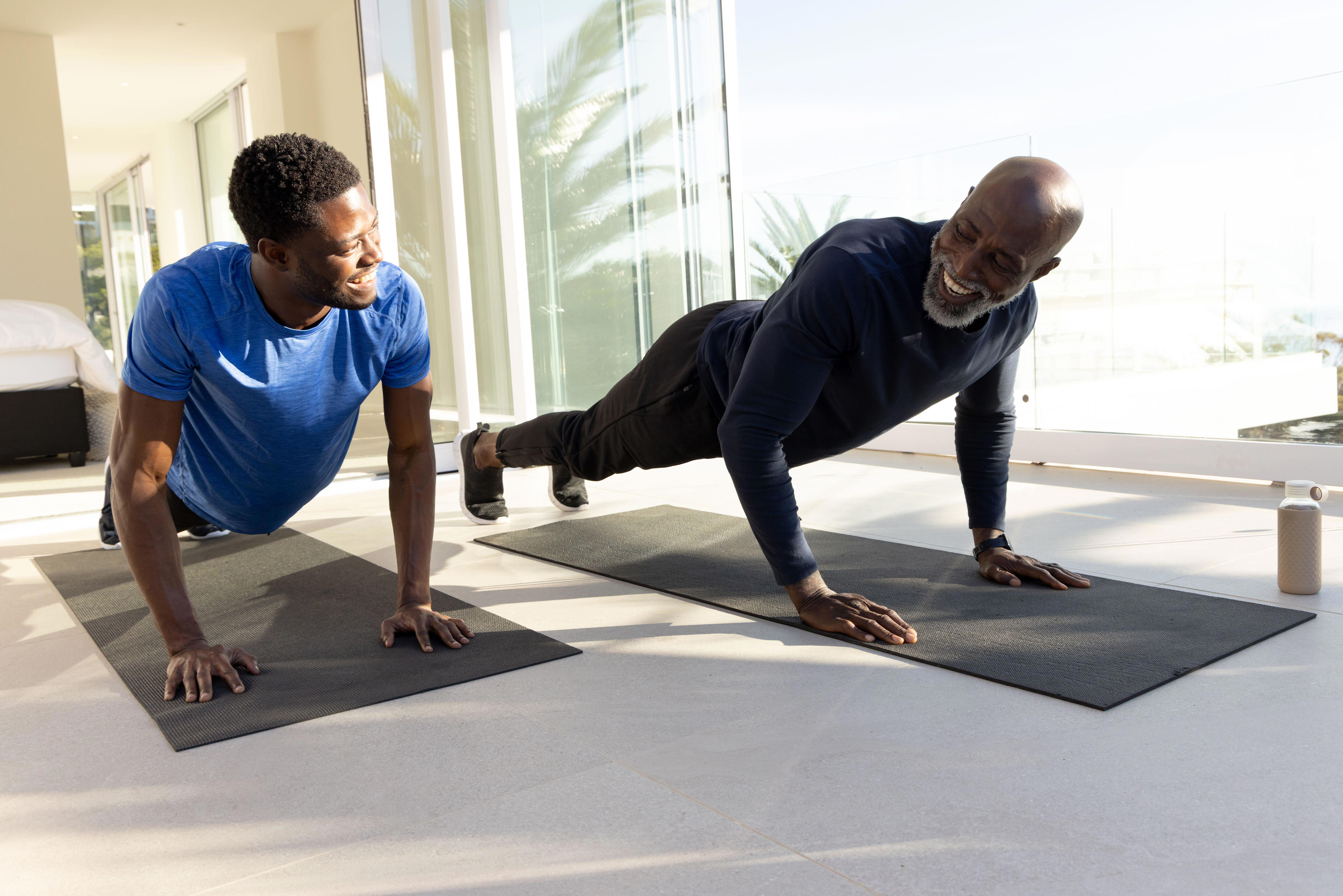
2. Planks
Planks are a great way to build strength and stability, engaging the shoulders, hips, and core. However, Riley acknowledges that holding planks for extended periods can be challenging for beginners.
“You can always start on your hands and knees and do knee taps. For this, hover your knees off the ground and then tap them back down. Then as you get stronger, hover them off and hold for 20 seconds. Also, if your wrists aren’t super happy in this position, you can always go onto your elbows.”
3. Hip Mobility Exercises
Riley emphasizes the importance of hip mobility, noting that many people suffer from tight or painful hips due to prolonged sitting. She recommends exercises like hip and leg circles, which can be done anytime and anywhere.
“Stand up and pop your hand on a surface and lift one leg straight forward and back to standing 15-20 times and then lift it back for the same amount of reps. Then bring the knee forwards, and then circle it out to the side, and then round to the back so you’re doing a big hip or leg circle. This is a really good strengthening but also mobilising hip exercise.”
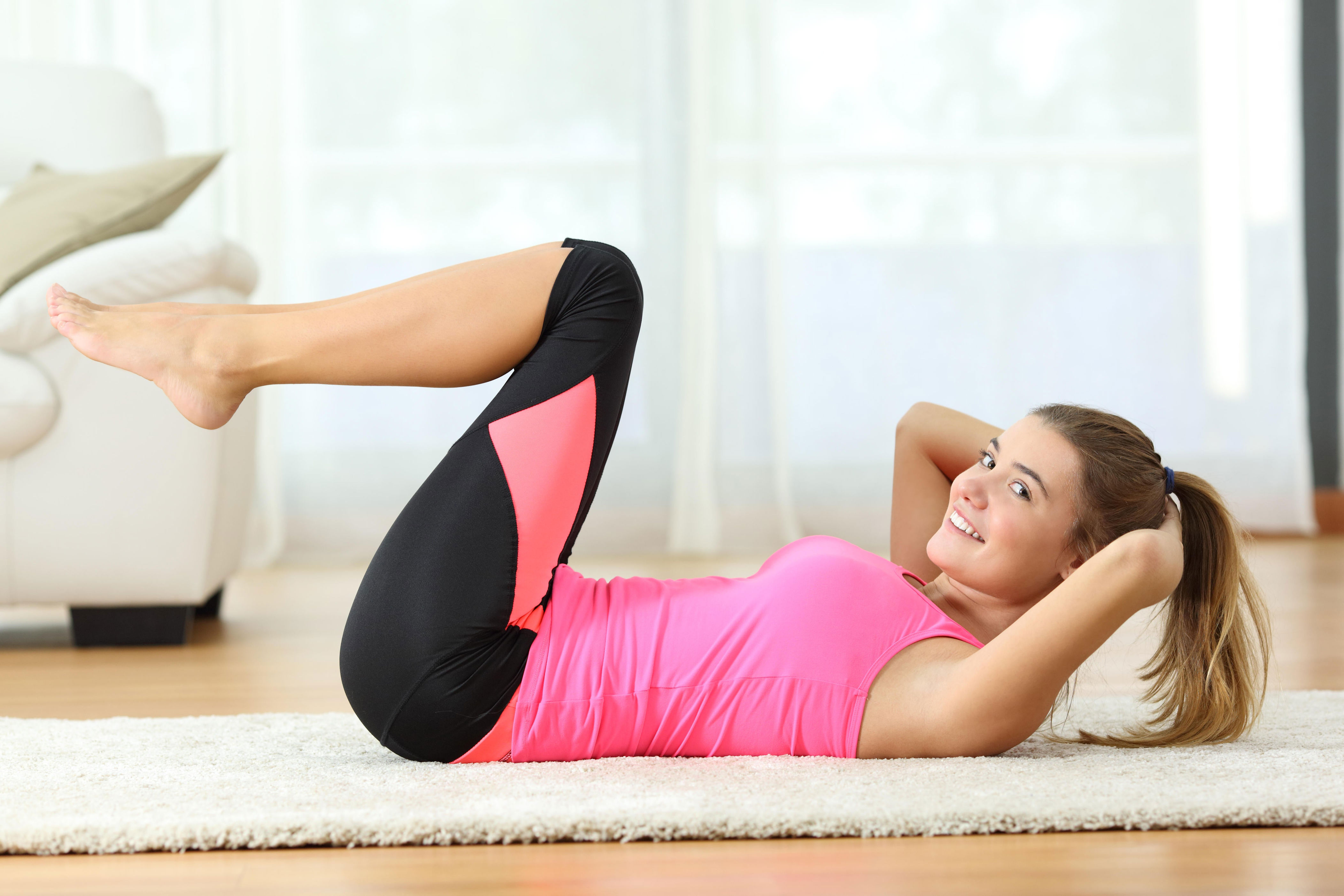
4. Tabletop Toe Taps
For those who spend long hours at a desk, tabletop toe taps are a great core exercise that helps maintain good posture.
“Lie on your back and take your legs into a tabletop position, so your knees are bent. Make sure your knees are above your hips and your shins are parallel to the floor, and then just tap one toe down at a time and bring them back up to table top position. Try to do that while breathing, but also without your back moving.”
5. Shoulder Glides
Shoulder mobility is essential for maintaining good posture and reducing tension in the back. Riley suggests the following exercise:
“Start by standing upright against the wall, so the back of your head and shoulder blades are both touching the wall. Reach both your arms all the way up overhead, so the backs of your hands are also against that wall, and then draw those elbows down towards your waist and up again. Try to keep the back of your hands and your arms against the wall as you do that.”
These simple yet effective exercises demonstrate how even small movements throughout the day can contribute to better health and well-being. By making these activities part of daily routines, individuals can take meaningful steps toward improving their quality of life.