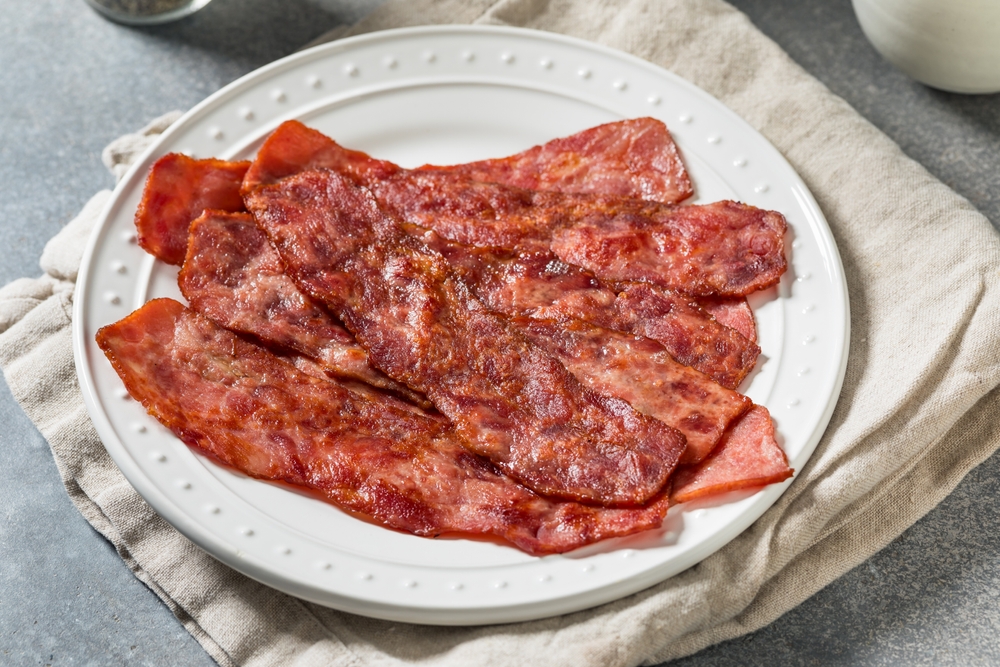
Turkey Bacon: A Healthier Alternative or Just a Myth?
Turkey bacon is often marketed as a healthier alternative to traditional pork bacon. However, when it comes to nutritional content, the difference between the two may not be as significant as many people believe.
According to the U.S. Department of Agriculture, two slices of turkey bacon contain approximately 60 calories, 4 grams of fat, and 328 milligrams of salt. In comparison, pork bacon has nearly the same amount of salt and only slightly more saturated fat. Protein and calorie content are also very similar. This suggests that, in practice, the nutritional gap between the two types of bacon is minimal.
The Role of Processing
Both turkey and pork bacon are classified as processed meats. This means they undergo treatments with substances like nitrates or nitrites to improve shelf life and enhance flavor. These additives can form harmful compounds when exposed to high heat, which is a concern for health-conscious consumers.
Even products labeled as “natural” often use similar processing methods. As a result, they may not offer substantial health benefits over their conventional counterparts. Research published in Nutrients highlights the potential risks associated with these additives, particularly when consumed regularly.
Health Risks of Processed Meats
A study published in The Journal of Nutrition found that a high intake of processed meats, including both turkey and pork bacon, may increase the risk of chronic diseases such as type 2 diabetes and cardiovascular disease. This underscores the importance of moderation when it comes to consuming these foods.
Dietary Recommendations
Health organizations consistently advise limiting the consumption of salt and saturated fats. For this reason, some individuals turn to turkey bacon as a substitute. However, it’s essential to recognize that turkey bacon is not necessarily a healthier choice overall.
The key to a balanced diet lies in variety and portion control. Consuming both types of bacon in small amounts, alongside a wide range of other nutritious foods, is the most effective way to maintain good health.
Key Takeaways
- Turkey bacon and pork bacon have similar nutritional profiles, with only minor differences in fat and salt content.
- Both are processed meats, which can pose health risks due to the use of nitrates and nitrites.
- High consumption of processed meats may increase the risk of chronic diseases.
- Moderation and dietary balance are crucial for maintaining long-term health.