Introduction to the New Entry/Exit System
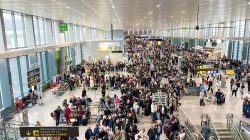
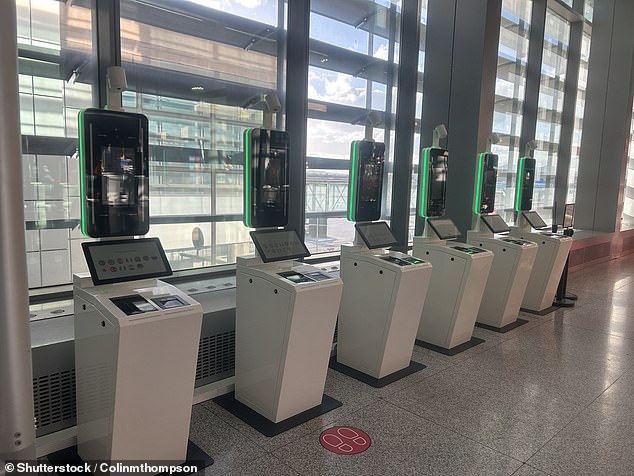
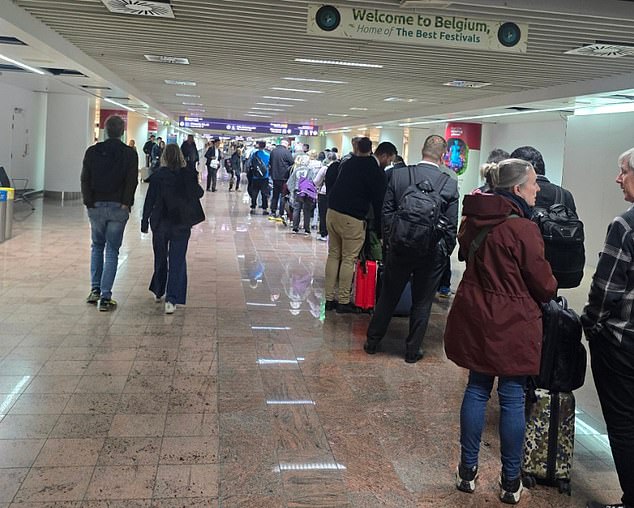
The new Entry/Exit system, known as EES, was fully implemented last month and has already caused significant disruption across Europe. Travellers are now facing long airport queues and chaos as the automated digital border system for non-EU nationals, including UK citizens, is rolled out. This system requires biometric registration, including fingerprints and photographs, and is currently in operation in 29 European countries.
Challenges Faced by Travelers
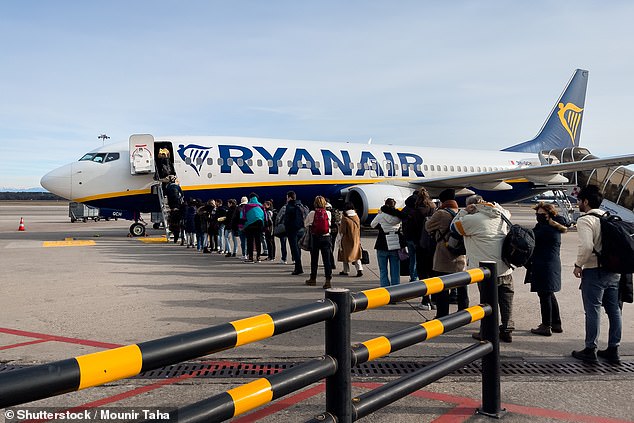
Since the introduction of the EES, countless holidaymakers have experienced problems, with long queues and even missed flights becoming common. Ryanair, a budget Irish carrier, has called for the temporary suspension of the EES system until September to manage the peak summer season. The airline has written to the governments of all 29 countries, urging them to suspend the EES until the peak season has subsided.
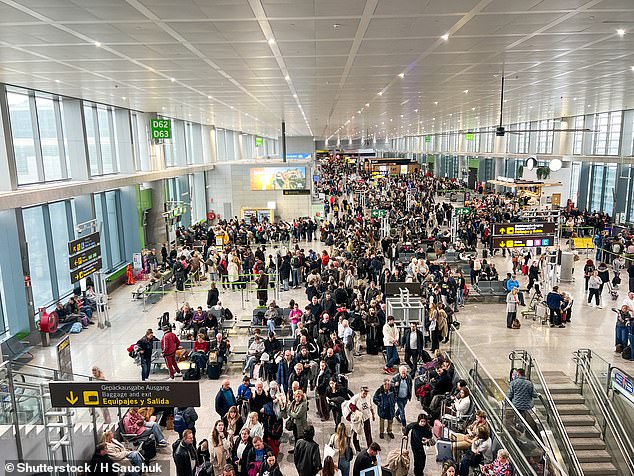
In Spain, which has been particularly affected by the system, Ryanair criticized the lack of adequate staffing, system readiness, and installation of kiosks. Alicante Airport, one of Spain’s busiest hubs, has reportedly been pushed to ‘breaking point’ due to the EES system and lack of staff, according to the Olive Press.
Impact on Specific Airports
Málaga Airport has also been impacted, with a British holidaymaker stranded with her daughter after missing her flight. Michelle Maguire, 38, and her daughter were due to fly back from Malaga to Liverpool but did not make it home until 24 hours later due to travel chaos that cost the family £1,000.
Ryanair reported that waiting times are over one to two hours at many airports, including Málaga, Alicante, Lanzarote, Tenerife South, Gran Canaria, Reus, and Fuerteventura. In Italy, queues have been particularly bad in Bergamo, Malpensa, Fiumicino, Ciampino, Venice, Turin, Palermo, Pisa, and Naples. In France, long queues have been reported at Beauvais, Marseille, and Nantes airports.
Ryanair’s Response and Suggestions
Neal McMahon, Chief Operations Officer of Ryanair, stated that governments across Europe are trying to implement a half-baked computer system during the peak travel season, causing passengers to endure long queues at passport control and miss their flights. He suggested that the solution is to suspend the EES until September, as provided for in EU legislation (Regulation (EU) 2025/1534). Greece has already taken this approach.
Measures Taken by Spain
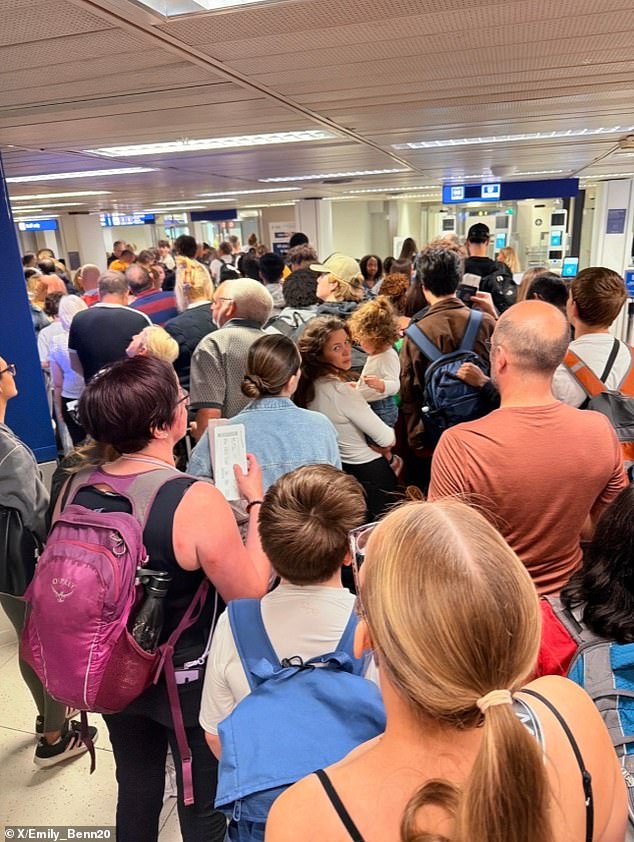
Some countries have responded to the challenges created by the EES. In Spain, AENA, the Spanish airport authority, has requested that workers help vulnerable passengers and families with young children avoid the queues. Passengers who have recently travelled to Barcelona-El Prat Airport at peak hours have reported lengthy queues.
On Reddit, a parent shared how they were forced to stand in line with their crying children for more than three hours with ‘nowhere to go other than the restroom’, while alleging airport staff did ‘nothing to help’. Adolfo Suárez Madrid-Barajas Airport was Spain’s first hub to roll out the EES system in October 2025, and it appears EES queues are more controlled than at other Spanish hubs.
Improvements and Adjustments
Many passengers have reported short queues, with priority lines for children, although some claim that machines at the Madrid airport can be ‘sensitive’. One person told The Olive Press: ‘You have to press down hard on the passport for it to read, press fingertips down firmly to register.’ Another said: ‘From luggage drop-off to gate, it took us about 20 minutes … including biometric capture and passport control.’
Holidaymakers under such categories will be allowed to skip the biometric machines if the line is longer than 25 minutes and head straight to passport control instead, according to The Sun.
Greece’s Decision to Suspend Fingerprinting
Elsewhere, Greece recently pulled the plug on fingerprinting and facial scans to help holidaymakers avoid the chaos. Eleni Skarveli, director of the Greek National Tourism Organisation in the UK, said the decision would ‘ensure a smoother and more efficient arrival experience in Greece’ and would ‘significantly reduce waiting times’ while easing congestion at airports.
Greece’s decision is widely seen as a strategic move to protect its vital tourism sector, which relies heavily on British visitors flocking to hotspots such as Corfu, Crete, and Rhodes – destinations that can each receive more than 2,000 UK arrivals per day during peak season.
Future Implications
With no confirmed end date for the exemption, speculation is mounting that other Mediterranean countries could follow suit. Travel experts say the change may already be influencing holiday plans. A spokesman for ABTA noted: ‘Because of the war in the Middle East, Europe is seeing a big increase in interest as a holiday destination this year.’
The organisation expects Greece to rank as the fifth most popular destination for Britons this summer, behind Spain, France, Italy, and the United States. ‘I think it’s too early to say what this change might mean for the number of people visiting, particularly as decisions on where to go are based on a number of factors,’ the spokesman added.