Spike Lee’s Defense of the Michael Jackson Biopic
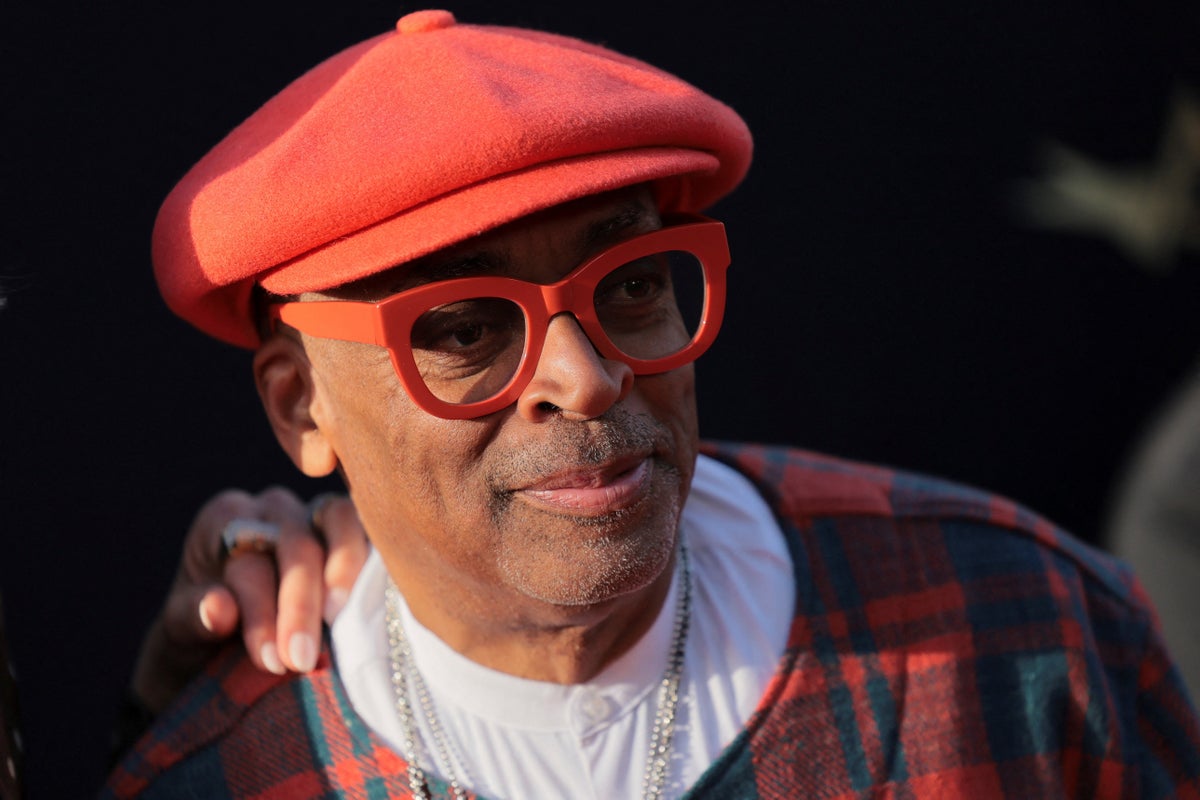
Spike Lee has come to the defense of the biopic “Michael,” which has faced criticism for not addressing the sexual abuse allegations against the late pop star. Lee argued that such criticisms do not align with the film’s timeline, as it concludes in 1988 when Michael Jackson was at the height of his global fame.
The film, approved and financed by the late pop singer’s estate, follows Jackson’s journey from his early years in the Jackson 5 to his peak in 1988, during his “Bad” album tour. The decision to end the story at this point has drawn backlash, as the film omits the child sexual abuse allegations made against him before his death in 2009.
“I’ve seen ‘Michael’ twice. Love it,” Lee told CNN’s Laura Coates. “First of all, if you’re a movie critic, and you’re complaining about all this other stuff, but the movie ends in ’88. And the stuff you’re talking about, accusations, happened [later]. So you’re critiquing the film on something that you want in, but it doesn’t work in the timeline of the film.”
“But people showed up. Worldwide, people showed their love,” he added.
Cast and Production Details
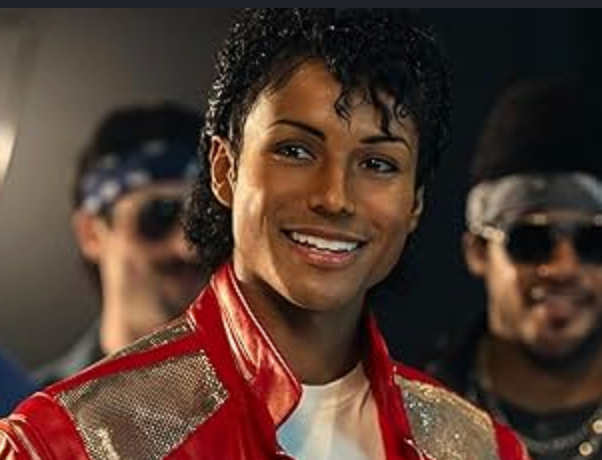
Directed by Antoine Fuqua, the biopic, which recently hit theatres, stars Jackson’s nephew Jaafar Jackson in his feature debut as the singer, alongside Colman Domingo as his father Joe Jackson and Nia Long as his mother Katherine.
Lee reflected on his personal relationship with Jackson and the singer Prince, expressing that he missed them both. He described them as “my brothers” and mentioned working with both of them, calling them “beautiful, beautiful people.”
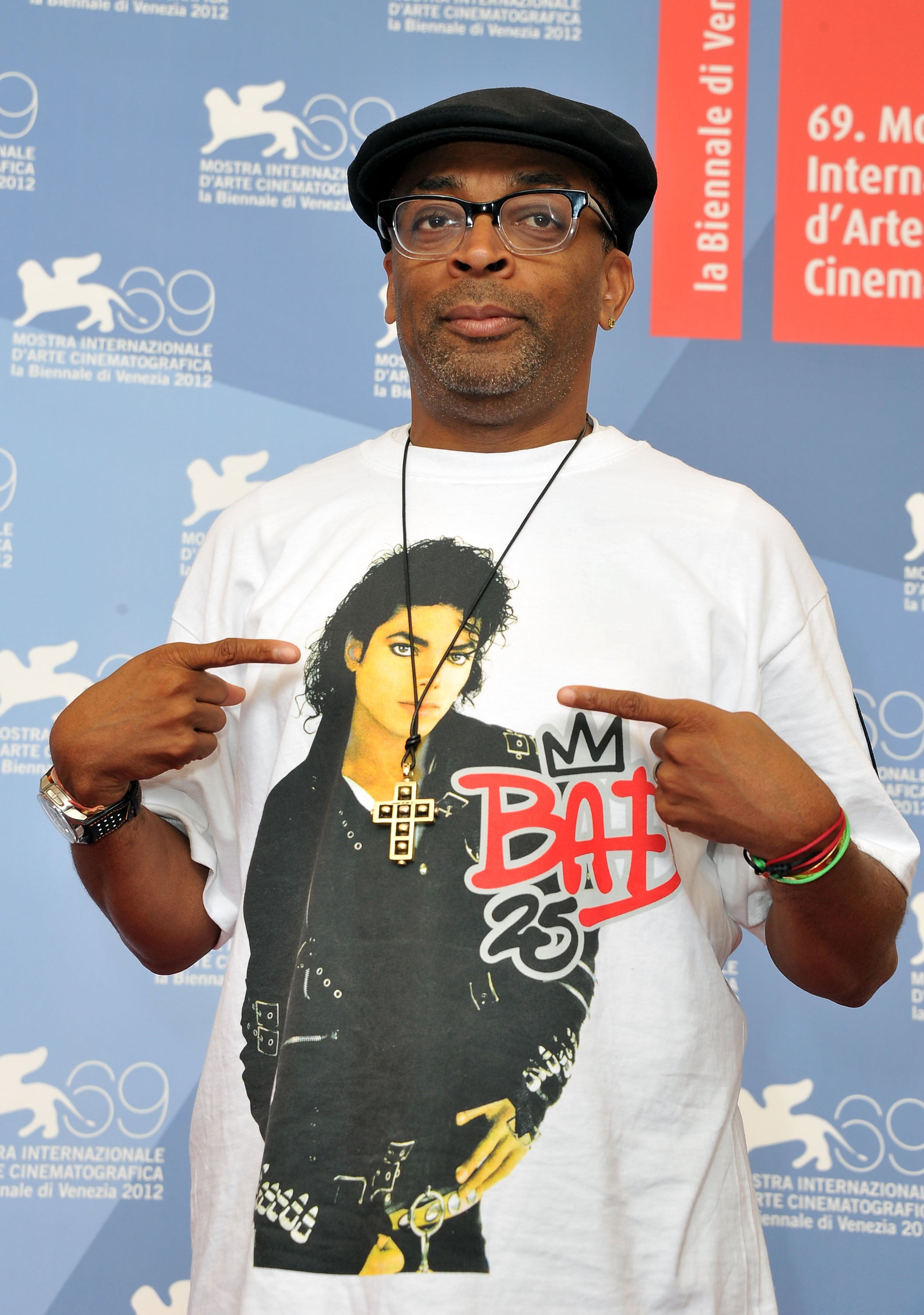
Lee directed Jackson’s 1996 music video for “They Don’t Care About Us” and later created two documentaries, “Bad 25” (2012) and “Michael Jackson’s Journey from Motown to Off the Wall” (2016).
The film opened to a 96 per cent audience score on Rotten Tomatoes, despite being widely panned by critics. It earned $217m (£160m) globally in its opening weekend and set a new record for music biopics.
Critical Reception and Controversy
In a one-star review, The Independent’s film critic Clarisse Loughrey described “Michael” as a “ghoulish, soulless cash grab.” She wrote, “If ‘Michael’ exists to smooth out an icon’s legacy, it does so by eradicating anything that might indicate intent or agency beyond some nebulous idea that Jackson was a dreamer destined to ‘spread love and heal.’”
According to reports, an earlier version of the film addressed the 1993 abuse allegations and subsequent investigation, but lawyers for Jackson’s estate identified a prior settlement with an accuser that “precluded any depiction or mention of them in a film.” This led to 22 days of reshoots, which the Jackson estate reportedly directly funded, costing between $10m-$15m, according to Variety.
Perspectives from Documentarians
Dan Reed, who made the 2019 documentary “Leaving Neverland,” commented on the film’s success, stating it shows “people don’t care that he was a child molester.” His film focused on two men who allege they were sexually abused as children by Jackson and was strongly condemned by the singer’s estate.
“Literally, people just don’t care,” Reed told The Hollywood Reporter. “I think a lot of people just love his music and turn a deaf ear. And short of having actual video evidence of Michael Jackson engaged in sexual intercourse with a seven-year-old child, I don’t know what would be sufficient to change these people’s minds.”
Jackson, who died in 2009, denied all allegations made against him during his lifetime. He was charged in 2003 with seven counts of child molestation and two counts of administering an intoxicating agent to a minor, but was acquitted on all counts in 2005.
“Michael” is now available in theatres.