
The Art of Mindful Eating
Eating well can often feel overwhelming, especially when the word “dieting” is involved. However, it doesn’t have to be complicated. By adopting simple, mindful practices, you can transform your relationship with food and make healthier choices without the stress.
Practice Mindful Eating

The act of truly savoring each bite turns eating into a delightful experience. This approach helps you become more aware of your body’s natural signals for hunger and fullness, leading to better eating habits and improved weight management. Healthcare professionals have even started incorporating these techniques into diabetes self-management education (DSME), with benefits including better glycemic control.
Use Smaller Plates To Manage Portions Naturally

Our brains are highly influenced by visual cues, especially when it comes to food. The Delboeuf illusion is a perfect example: it makes portions appear larger on smaller plates. Studies show that this visual trick can influence how much we serve ourselves, though its impact on actual eating behavior may vary. It’s a clever way to naturally manage portion sizes without feeling deprived.
Plan Balanced Meals Ahead Of Time

The struggle with random takeout orders and processed snacks is all too common. But planning your meals in advance can change everything. Not only does it make grocery shopping less chaotic, but it also ensures you get a variety of nutrients and make better food choices. This habit helps break free from dependencies on processed foods.
Drink Water Before Meals

Many people confuse thirst for hunger, leading to unnecessary snacking. Drinking water before meals helps you recognize true hunger signals and supports digestion. It also naturally helps manage portion sizes and lays the groundwork for healthier eating habits.
Don’t Eat In Front Of Screens

Eating while scrolling through your phone can lead to mindless overeating. Distraction reduces awareness of what you’re eating, making it easy to lose track of portions. Simple solutions like turning off screens during meals can help you make smarter food choices and practice mindful eating.
Keep Healthy Snacks Visible, Hide Processed Ones

The principle of “out of sight, out of mind” applies here. Keeping healthy snacks in plain view and storing processed ones away can significantly influence your snacking habits. This strategy encourages you to reach for the healthier options more often, reducing mindless munching.
Eat Regular Meals Instead Of Skipping

Your body functions best with consistent meal times. Skipping meals can disrupt your internal rhythms, making it harder to recognize hunger signals. Sticking to regular mealtimes helps maintain stable energy levels and fosters healthier eating habits over time.
Cook At Home More Often

Cooking at home gives you control over what goes into your meals and how much you serve. This mindful approach leads to healthier dishes with fewer processed ingredients, improving diet quality and emotional well-being. It also naturally increases your intake of fruits and vegetables.
Add Vegetables To Every Meal
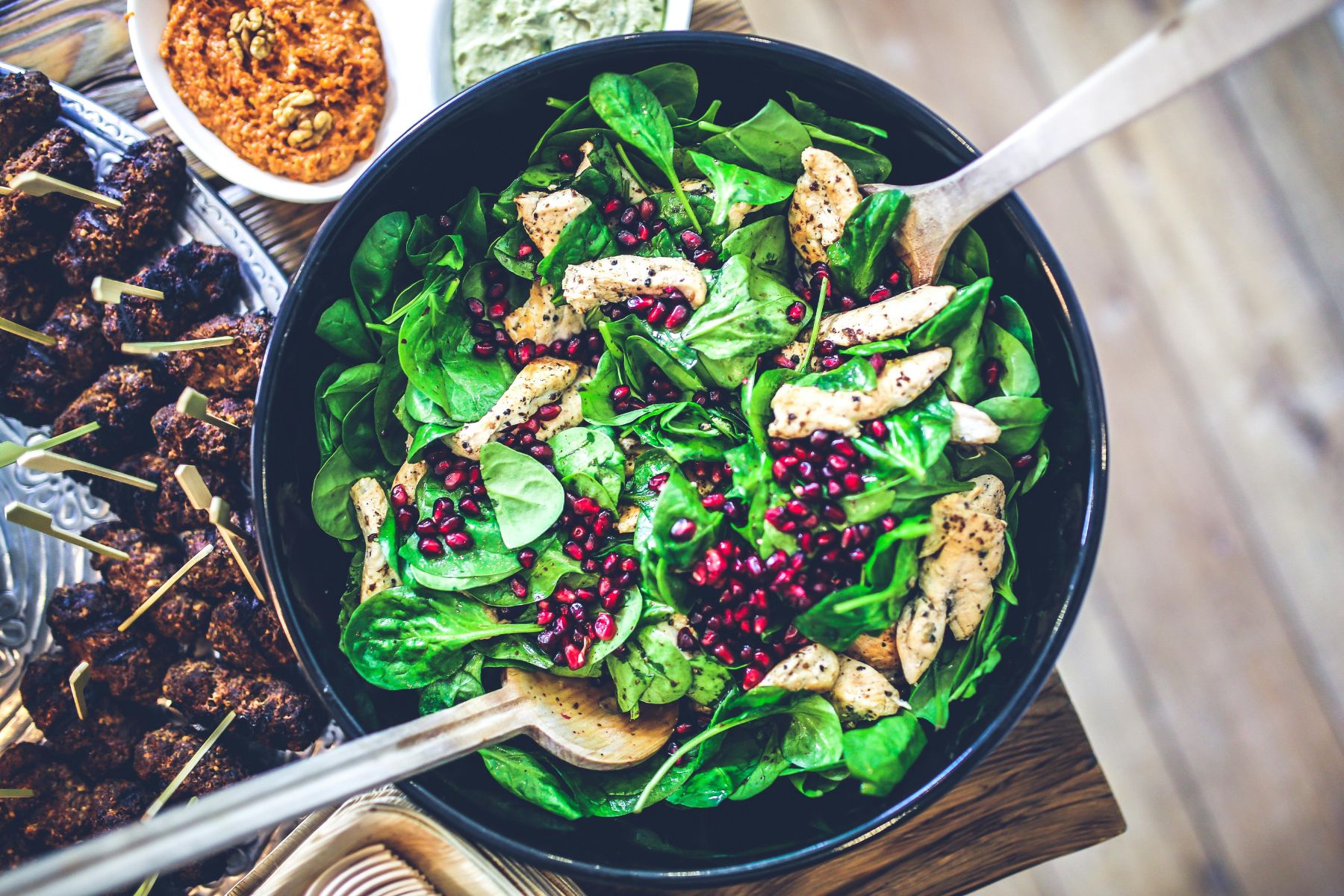
Vegetables are essential for optimal digestion and overall health. They provide vital fiber and nutrients that support your body’s natural functions. Incorporating colorful veggies into every meal can make a noticeable difference in how you feel and perform throughout the day.
Listen To Hunger And Fullness Cues

Your body has an internal hunger scale that can guide your eating habits. Learning to listen to these cues helps you distinguish between true hunger and mindless snacking. Practicing this awareness can prevent overeating and help you respond to your body’s real needs.