A New Breakthrough in Cancer Treatment
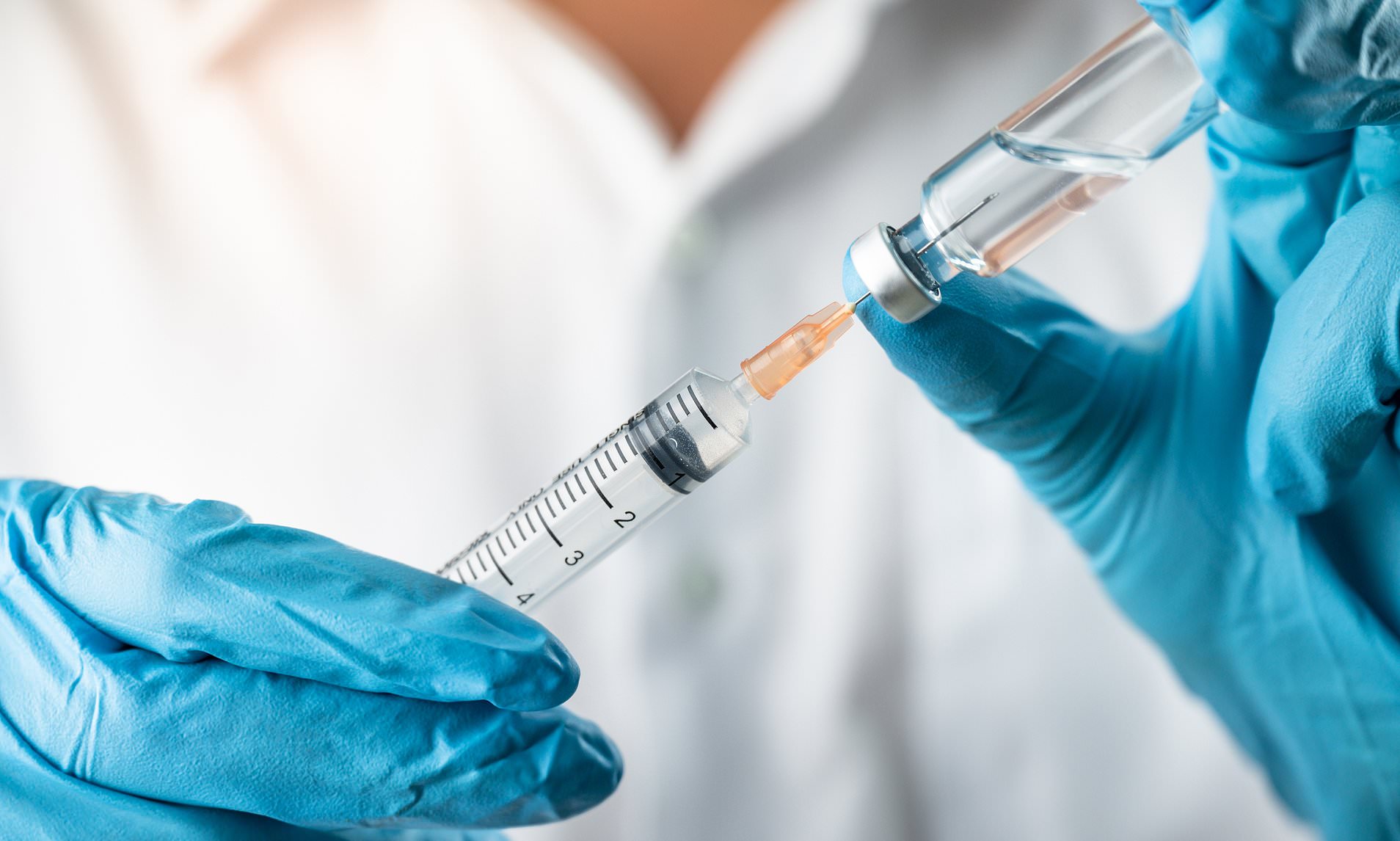
Tens of thousands of cancer patients could soon benefit from a revolutionary new treatment being introduced by the NHS. This innovative jab, known as pembrolizumab, is designed to rapidly treat over a dozen types of cancer in just 60 seconds. The treatment is an injectable form of immunotherapy that helps the immune system fight cancer cells more effectively.
This new approach is set to significantly reduce treatment time for patients, cutting it by up to 90 per cent. Instead of lengthy intravenous infusions that can take up to two hours per session, patients will receive the treatment as a quick injection. Depending on the type of cancer, the jab will be administered every three weeks as a one-minute shot or every six weeks as a two-minute injection.
The NHS has confirmed that around 14,000 patients in England start on this therapy each year, with the majority now expected to benefit from the ‘rapid’ treatment. The switch from IV infusion to injection not only saves patients time but also frees up capacity for clinicians to treat more people.
Professor Pete Jonson, national clinical director for cancer at the NHS, highlighted the importance of this innovation: “This immunotherapy offers a lifeline for thousands of patients. Managing cancer treatment and regular hospital trips can be really exhausting. This innovation makes therapy much quicker, helping free up vital appointments for NHS teams to continue bringing down waiting times.”
The drug is injected into the fatty tissue just under the skin of the thigh or abdomen. It works by blocking a protein called PD-1, which acts as a brake on immune responses. By doing so, it teaches the immune system to recognize and attack cancer cells.
Shirley Xerxes, 89, from St Albans in Hertfordshire, was one of the first patients in the UK to receive the new jab at the Mount Vernon Cancer Centre. She shared her experience: “I can’t believe how little time it took. I was only in the chair for a matter of minutes instead of an hour or more. It’s made such a difference and gives me more time to live my life, including spending more time gardening.”
However, because the treatment targets the immune system, it can cause a number of serious side effects. These include breathlessness due to a drop in red blood cells, fluid build-up, and hypothyroidism. When thyroid hormones drop, this can lead to fatigue, weight gain, depression, and a deepening of the voice. Patients may need to take medication for the rest of their lives if they require hormone replacement.
Rarer side effects include inflammation in the heart, stomach inflammation, pancreatitis, and even inflammation in the brain, known as encephalitis. However, these side effects are rare and occur regardless of whether the drug is administered intravenously or through an injection.
Welcoming the innovation, Health Secretary Wes Streeting said: “Our National Cancer Plan promised to do more and go faster for patients – already we are delivering that change. As a cancer survivor, I know how important quick treatment is, and this rollout will offer quicker, more convenient care, saving patients time and helping them in their recovery with less time in hospital.”
He added: “Not only that – it’ll also free up valuable time so clinicians can care for even more people and potentially save even more lives. The government is providing the health service with record funding, around 40,000 more people are starting treatment on time, and rates of early diagnosis are hitting record highs.”
Studies show that every four-week delay in treatment reduces patient survival by an average of 10 per cent. With more than 50s now being diagnosed with cancer more than ever before, the need for rapid and effective treatment is more critical than ever.
Michelle Mitchell, chief executive at Cancer Research UK, emphasized the importance of innovations like this: “At a time when capacity across the NHS is severely limited, innovations like this are crucial. It’s important the UK Government continues to dedicate resources to ensuring proven treatments reach patients quickly and fairly.”
John McNeill, Oncology Business Unit Director at MSD, the manufacturer of the drug, added: “We are pleased to introduce this new treatment option for patients that can be administered in one minute every three weeks or in two minutes every six weeks – significantly faster than IV delivery. This not only enhances the patient experience for many but also frees up valuable time for clinicians. This innovation offers a practical, patient-centred solution to improve productivity, capacity, and convenience in NHS cancer care.”