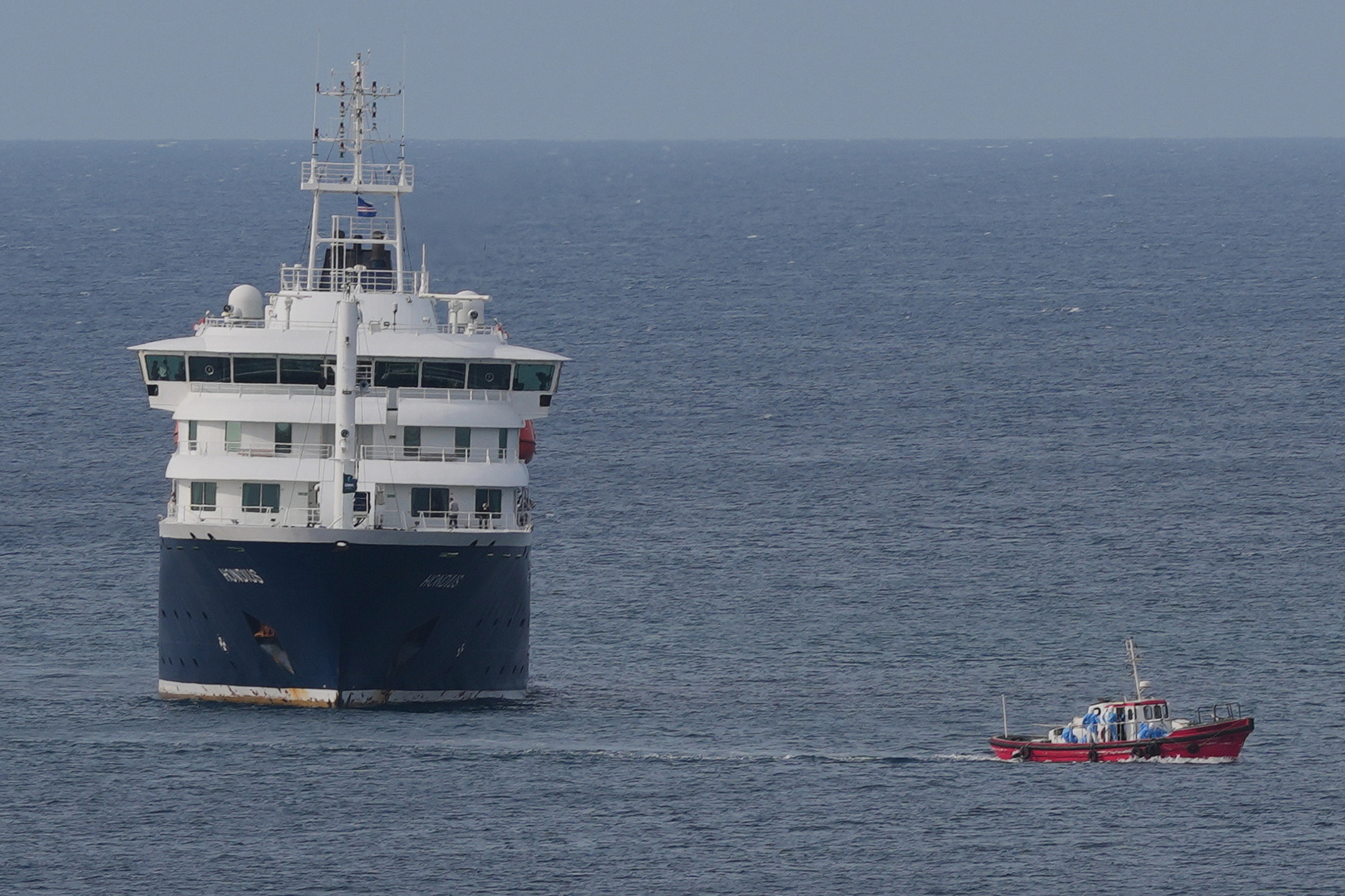
Health authorities are investigating a rising number of hantavirus cases connected to the cruise ship MV Hondius, with infections and potential exposures now spreading across several countries. In a recent briefing, the World Health Organization (WHO) reported eight confirmed or suspected cases, including three fatalities. Out of these, five have been confirmed as hantavirus infections, while the remaining three are under investigation.
According to a Wednesday update from the WHO, a passenger from the ship contacted the operator after receiving an email about the health incident and sought medical attention in Zurich, Switzerland. The individual is currently receiving treatment at a local hospital. Another passenger was seriously ill and was transported to South Africa for care. The British national was admitted to intensive care in Johannesburg and is in critical but stable condition. A variant of the virus has been identified in this case.
The WHO’s Director-General, Tedros Adhanom Ghebreyesus, stated that three suspected cases had been evacuated from the Hondius and were en route to receive medical treatment in the Netherlands. He emphasized that the overall public health risk remains low.
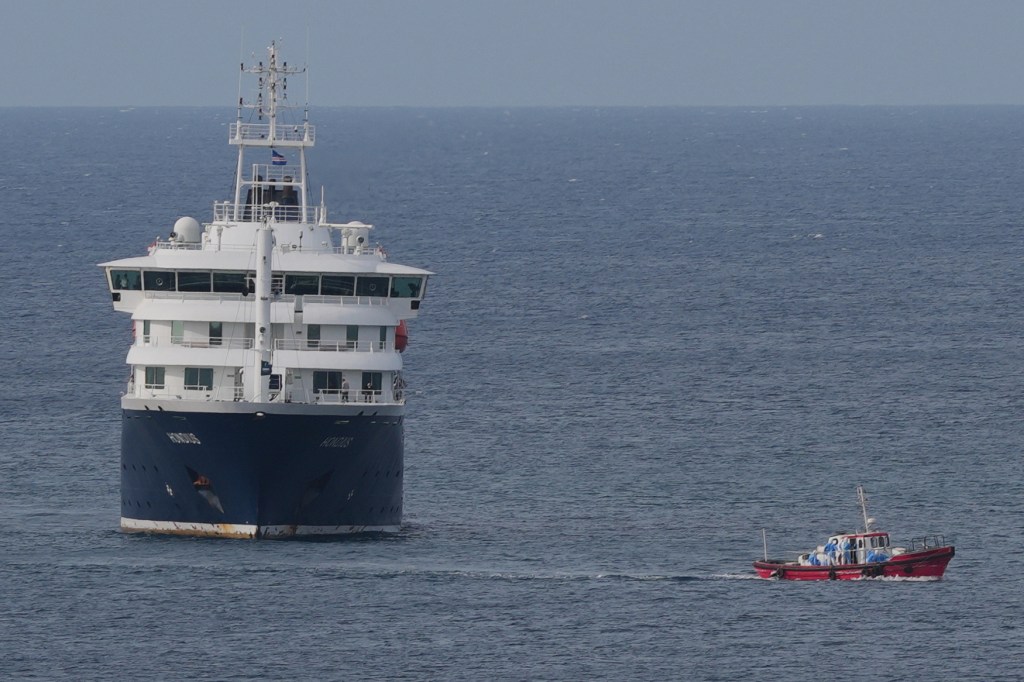
Reuters reported on Thursday that one of the three evacuated passengers had been admitted to a Dutch hospital, another was transferred to Germany, and the third arrived in the Netherlands the following morning. Oceanwide Expeditions, the ship’s operator, confirmed that no symptomatic individuals were on board when the vessel departed Cape Verde on Wednesday. The ship is now heading to Granadilla in the Canary Islands, with a journey expected to take three to four days.
In Israel, health officials have confirmed the country’s first hantavirus case in years. A patient tested positive for a European strain of the virus, according to reports from Maariv. The individual had traveled in Eastern Europe months earlier and developed symptoms consistent with hantavirus infection. The patient is currently in stable condition and has not required intensive care or strict isolation. Initial antibody tests indicated exposure, and a follow-up PCR test confirmed the presence of the virus’s genetic material. Authorities have not released details about the patient or the medical facility involved.
Hantavirus infections are rare in Israel, although there were several suspected cases a decade ago among travelers returning from South America. Unlike the Andes strain linked to the international outbreak aboard the MV Hondius, the strain detected in Israel is not known to spread between people and is typically transmitted through contact with infected rodents.
The global outbreak tied to the Hondius continues to raise concerns. Three passengers—a Dutch couple and a German citizen—have died, and eight confirmed or suspected cases have been reported across multiple countries, including Switzerland and South Africa. The ship, which left Argentina on April 1 with approximately 147 passengers and crew from 23 nations, was denied disembarkation in Cape Verde and is now en route to the Canary Islands for medical and humanitarian processing.
Global health agencies are monitoring potential exposure cases. Reports indicate that a French national who did not board the Hondius is being monitored as a contact case after sharing a flight with an infected passenger. A Dutch flight attendant is also undergoing hantavirus testing after coming into contact with a woman who later died from the infection. Some U.S. states, including Georgia and Arizona, have started monitoring for the virus, with health departments reporting that two residents from Georgia and one from Arizona who were on the cruise are under observation but have not shown symptoms.
In the UK, two individuals who returned from the cruise have been advised to self-isolate but are not showing symptoms. In Singapore, two residents who were on board the ship are being isolated and tested at the National Centre for Infectious Diseases (NCID). Their test results are pending, and the NCID stated that the risk to the general public is currently low.
Ian Jones, a professor of virology at the University of Reading in the UK, explained that the person-to-person transmissibility of the virus is very low. “The main risk is from the original source, rodent droppings and urine, which can become airborne if disturbed by cleaning,” he said. “Contacts who are very close to the original infected individual, usually family members or nursing staff, can become infected, but it does not happen easily and it is not likely that general members of the cruise have been infected.”
Jones added: “Once the incubation period has passed, the outbreak will be over, and until that time, the risk to the general public is effectively nil.”
What Is Hantavirus?
Hantaviruses are a family of viruses found worldwide, many of which can cause illness in humans. They are generally divided into two groups: “Old World” strains found in Africa, Asia, and Europe, and “New World” strains in the Americas. Although related, these groups are associated with different diseases—New World hantaviruses are responsible for hantavirus cardiopulmonary syndrome (HCPS), while Old World variants cause hemorrhagic fever with renal syndrome (HFRS).
The Andes virus is the only hantavirus in which human-to-human transmission has been documented.