A Mother’s Warning About a Life-Threatening Complication After a Chiropractic Neck Adjustment
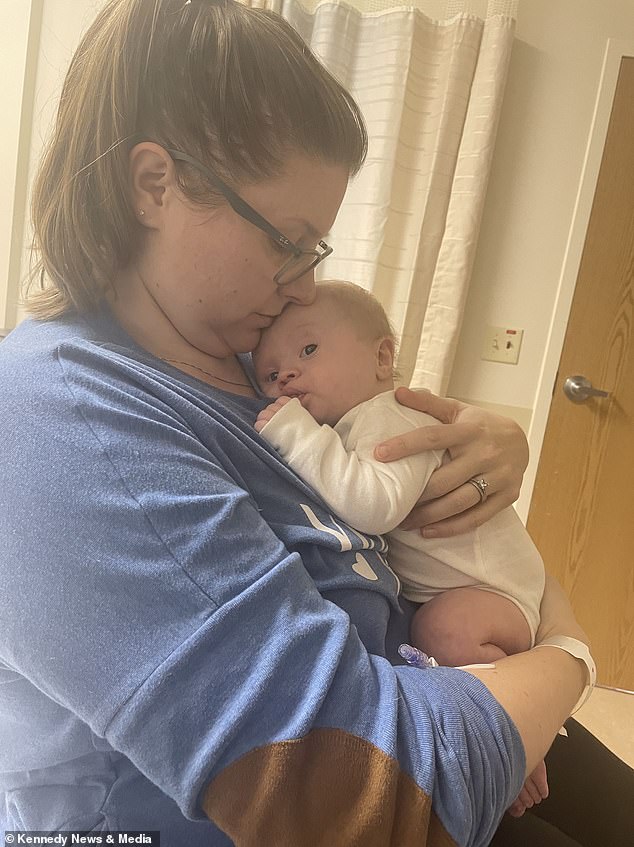
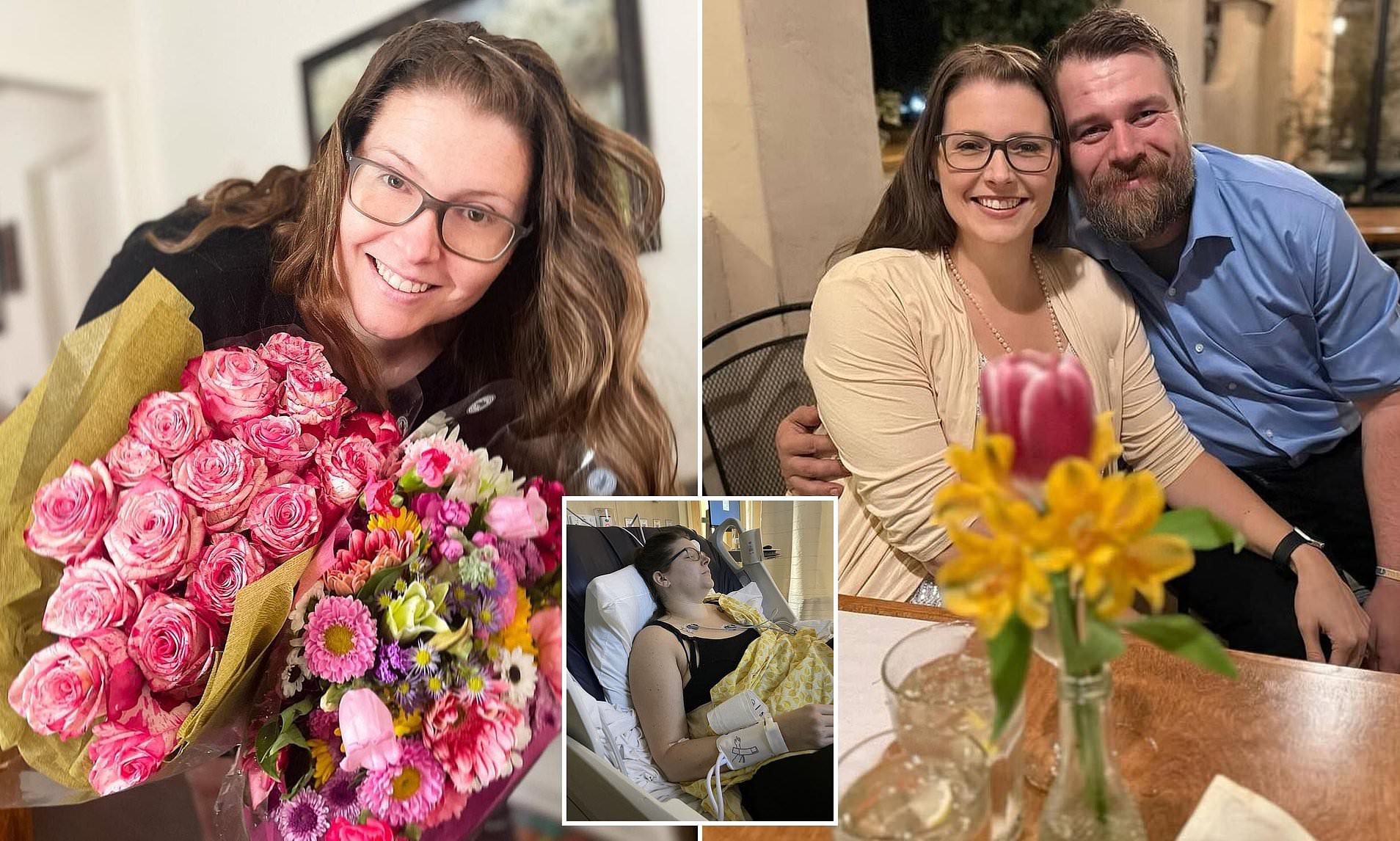
A mother is sharing a harrowing experience that highlights the potential risks associated with chiropractic neck adjustments. Jaycie Conley, from California, sought treatment in December 2021 for a persistent headache she believed was caused by stress and sleep deprivation from caring for her infant. However, what started as a routine visit to a chiropractor ended in a life-threatening situation.
After the neck adjustment, Conley experienced nausea and noticed that her eyes went cross-eyed. Concerned, she returned to the chiropractor, who adjusted her neck again. The practitioner reportedly told her she was having a “weird reaction” to the adjustment. Conley was left without clear guidance or warnings about the possible consequences.
She eventually went to the hospital when her symptoms did not improve. There, she was shocked to learn that she had suffered a bilateral vertebral artery dissection (VAD), a rare but serious condition where both arteries in the neck tear simultaneously. This type of injury can lead to strokes and other severe complications.
Approximately 6,800 Americans suffer from VAD each year, with about 38 percent of cases involving both arteries. A 2024 study estimated that two dissections occur per 100,000 people. For Conley, the condition triggered two mini-strokes and a more severe stroke in the hospital.
Doctors warned that chiropractic neck manipulation can increase the risk of VAD, and it is estimated that one in 20,000 spinal manipulations results in this condition.
The Experience That Changed Everything
Conley, now 38, initially visited the chiropractor to ease a “giant” headache she attributed to stress and long nights caring for her six-month-old son. She recalled thinking she had slept wrong and that her neck was “kinked.” However, the pain worsened, prompting her to seek help from a chiropractor she had worked with before.
After the neck adjustment, she felt fine at first, but a few hours later, she experienced nausea and her eyes went cross-eyed on their own. When she texted the chiropractor, she claims the practitioner advised her to return for another adjustment.
Conley said the practitioner never warned her about the possibility of a stroke. Instead, she was told, “It could be you’re just having a weird reaction.” The lack of concern from the practitioner was alarming.
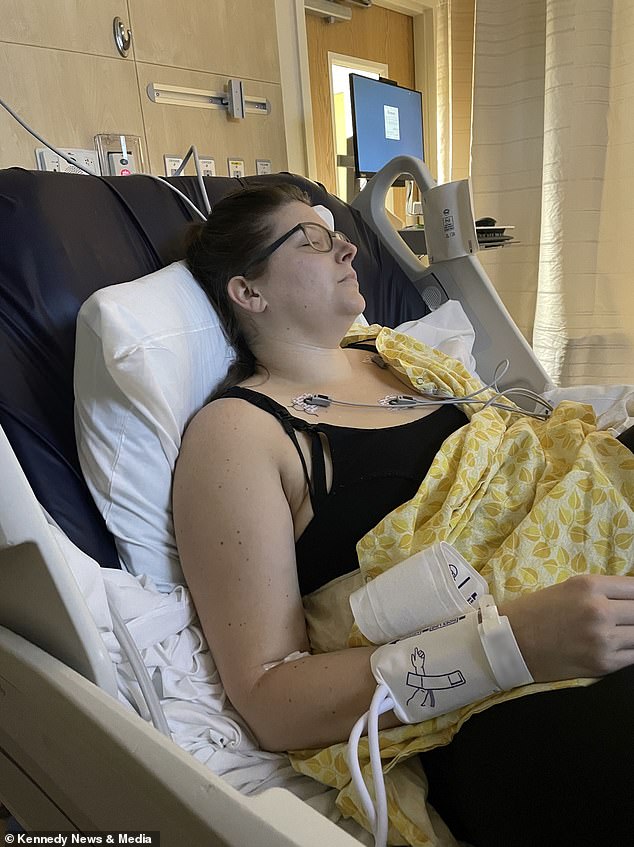
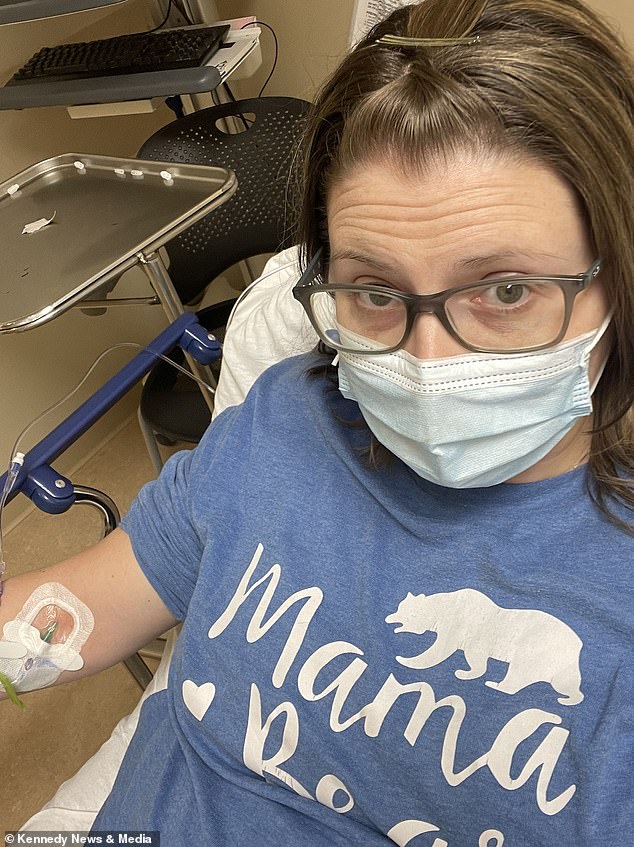
After returning home, Conley decided to go to the hospital, where an MRI scan revealed she had suffered two mini-strokes. Later, she had a third, more severe stroke and spent five days in intensive care.


The Aftermath and Long-Term Effects
Later, doctors told Conley that her bilateral VAD was likely caused by the “velocity” of the chiropractor’s neck adjustment. She was shocked that something as simple as a chiropractic visit could lead to such severe consequences.
Conley described the emotional toll of her experience: being 33 and essentially acting like an elderly person in the ICU, unable to use her hands, stand up, or take care of herself. She feared for her child and struggled with the role of a stay-at-home parent.
At first, she worried that her frequent neck cracking might have contributed to the strokes. However, the doctor reassured her that while it was possible, it was unlikely. The chiropractor’s technique, however, exacerbated the situation.
Now, Conley warns others to avoid cracking their own necks or visiting a chiropractor unless absolutely necessary. She emphasized that chiropractors are trained to recognize the risk of strokes and even require patients to sign a waiver acknowledging the danger. However, she feels that many people do not pay attention to these warnings.
A Call for Awareness and Education
Conley shared her story to raise awareness about the severity of VAD and the importance of informed consent. She signed a waiver without fully understanding its implications and believes that education is crucial.
“If you have a headache and you’re postpartum, go to the hospital,” she said. “If there’s any part of this I can promote, it’s to be aware of what it is and the severity.”
Despite the settlement in her negligence claim against the chiropractor, Conley continues to live with permanent disabilities, including right-side weakness and speech difficulties. Her experience serves as a powerful reminder of the risks involved in certain medical procedures.