The Growing Discontent in Tennis: A Fight for Fair Revenue
Tennis has always been a sport of high stakes, both on and off the court. From the early days of the “Original Nine” who fought for equal pay to today’s top players demanding a fair share of tournament revenue, the battle over money has remained a constant. Now, with the upcoming Roland-Garros tournament in sight, some of the sport’s biggest names are threatening to take drastic action if their demands aren’t met.
The Legacy of the Original Nine
More than 55 years ago, nine women made history by signing a $1 contract that laid the foundation for the Women’s Tennis Association (WTA). Their bold move was a turning point in the fight for equal pay and opportunities for female athletes. Since then, the WTA has grown into a powerful organization, but the struggle for fair compensation continues.
A New Generation Demands Change

This year, world No.1 Jannik Sinner, No.2 Carlos Alcaraz, and Australia’s Alex de Minaur have joined forces with leading women’s players like Aryna Sabalenka, Iga Swiatek, and Coco Gauff to demand a greater share of tournament revenue. They argue that prizemoney is currently set at less than 15 per cent of tournament revenue, far below the 22 per cent they believe is fair, especially when compared to ATP and WTA 1000 events.
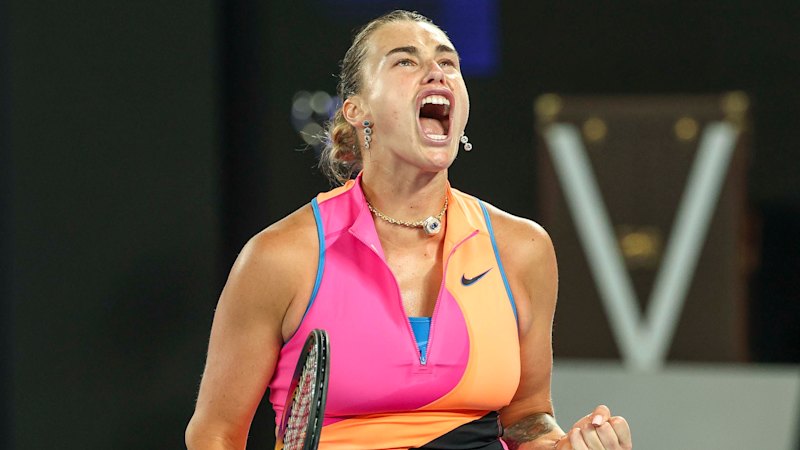
Sabalenka, the women’s No.1, has even hinted at the possibility of a boycott at Roland-Garros, which starts on May 24. “I think at some point we will boycott it,” she said. “I feel like that’s going to be the only way to fight for our rights.”
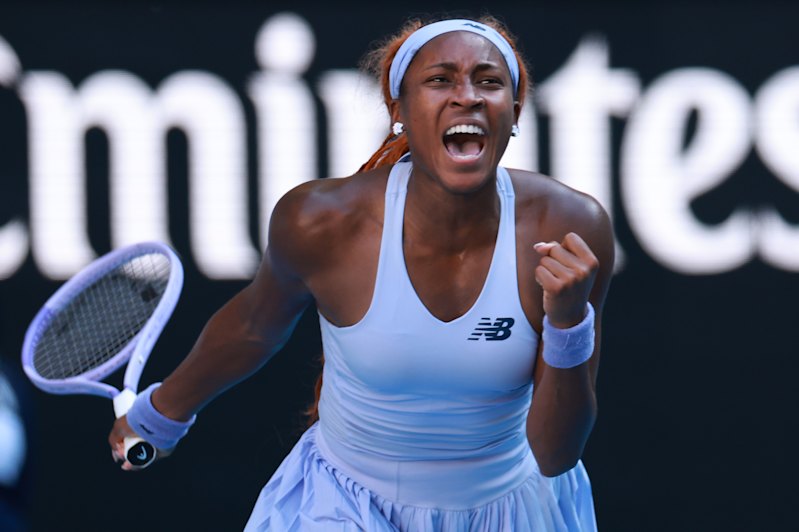
Gauff, the world No.4 who won the Roland-Garros title last year, echoed these sentiments. “It’s not about me – it’s about the future of our sport and also the current players who aren’t getting as much benefits as even some of the top players are getting when it comes to sponsorship and things like that.”
The Numbers Behind the Debate
Roland-Garros has increased its prize pool by nearly 10 per cent this year, with the game’s stars set to share in €61.7 million ($100 million). However, players argue that this amount still falls short when compared to other grand slams.
According to the players’ statement, the revenue generated by Roland-Garros is expected to exceed €400 million. Yet, their share of that revenue has declined from 15.5 per cent in 2024 to 14.9 per cent projected in 2026. In 2025, the tournament generated €395 million in revenue, a 14 per cent increase, but prize money rose by just 5.4 per cent, reducing players’ share of revenue to 14.3 per cent.
Other grand slams offer more generous payouts. The US Open offered a total compensation of $US90 million ($124 million), while Wimbledon paid out £53.5 million and the Australian Open reached $111.5 million.
The Role of Tournament Organizers

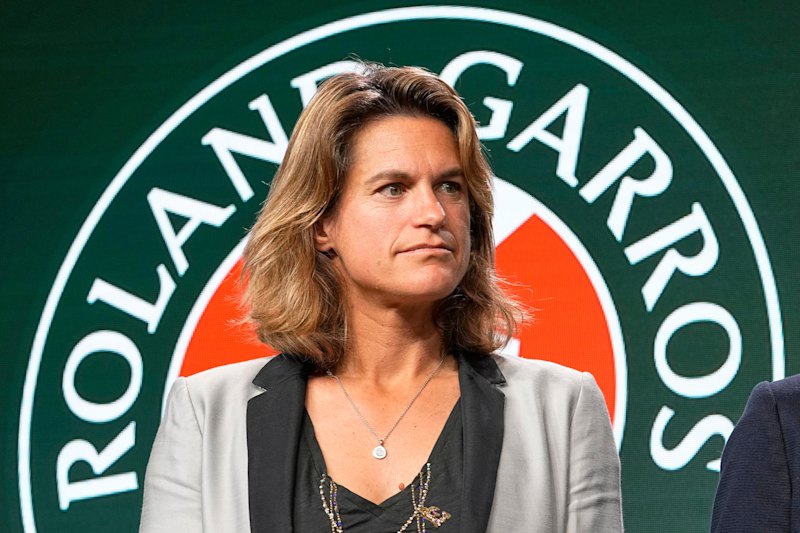
Roland-Garros organizers are keen to maintain the prestige of the tournament, ensuring that the experience for players and spectators matches the image of the event. Tournament boss Amelie Mauresmo has emphasized that the goal is not to repeat what other tournaments have done. She also highlighted efforts to provide players with camera-free privacy after the Australian Open faced criticism for exposing players during moments of frustration, such as when Coco Gauff smashed her racquet in a corridor.
The Likelihood of a Boycott
While a boycott is seen as a last resort, players like Gauff have pointed to the success of unions in other sports, such as the WNBA, as a model for change. “I think that helps,” she said. “From the things I’ve seen with other sports, usually to make massive progress and things like this, it takes a union.”
However, not all players agree. Iga Swiatek described the idea of a boycott as “a bit extreme.” She argued that the players’ proposals are reasonable and that the increase in prize money is not enough to meet their expectations.
A History of Struggles
Player strikes have been discussed before, most notably in 2011 when Andy Murray spoke about the potential for industrial action. “I know because I’ve spoken to a lot of the players that they’re just serious now about trying to get some changes,” he said at the time.
Despite these discussions, professional tennis has not experienced strike action in the past 15 years.
What Comes Next?
The situation remains tense as players await the outcome of negotiations. With the threat of a widespread boycott looming, the upcoming Roland-Garros tournament could mark a turning point in the ongoing battle for fair revenue in tennis.
With Reuters
News, results and expert analysis from the weekend of sport are sent every Monday.
Sign up for our Sport newsletter.