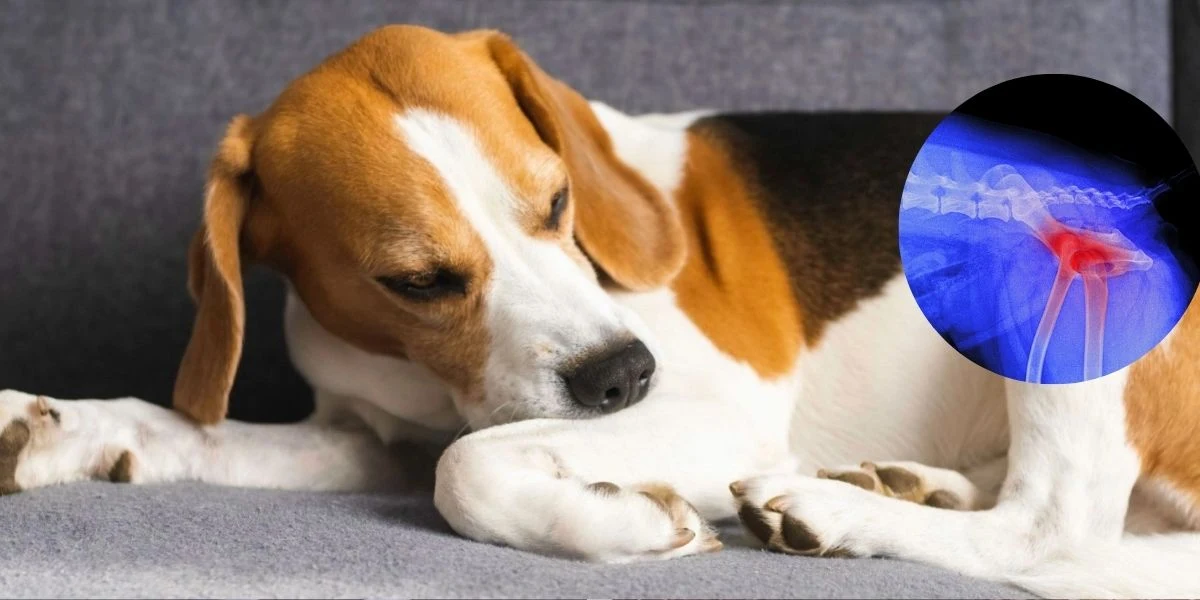
The Importance of Early Joint Health Awareness in Dogs
A recent discussion by a veterinarian, Amir Anwary, has highlighted the importance of joint health in dogs, urging owners to take proactive steps before their pets reach an advanced age. Arthritis, a condition that can significantly impact mobility, is one of the most prevalent long-term issues among dogs. According to data from Canine Arthritis Resources and Education (CARE), approximately one in five dogs will develop this condition at some point in their lives.
The organization notes that many dogs are not diagnosed with arthritis until they are 8-10 years old, which can make managing the symptoms more challenging. This delay in diagnosis often means that by the time the condition becomes apparent, the damage may already be extensive. Therefore, early recognition and treatment are crucial for effective management.
Recognizing Hidden Early Signs
One of the challenges in identifying arthritis in dogs is that it develops gradually, often without obvious symptoms. Subtle changes, such as a decrease in enthusiasm for walks or stiffness after resting, can easily be overlooked. Anwary warns that by the time these signs become noticeable, the condition may have already progressed significantly.
He emphasizes that many pet owners only take action when their dog’s mobility starts to decline, rather than addressing the issue earlier. This delay can limit the effectiveness of later interventions, making early awareness a key component of proper care.
Everyday Strain and Its Impact on Joints
Long-term joint health is closely linked to daily habits, including weight and movement patterns. For medium and large breeds, these factors play a significant role in how joints wear over time. Anwary suggests that maintaining a healthy weight is the first step in reducing stress on a dog’s joints.
In addition to weight, exercise patterns can also affect joint health. Inconsistent activity levels can be more harmful than beneficial, particularly if there are sudden bursts of intense activity after periods of inactivity. These abrupt changes can place unnecessary strain on aging joints.
The home environment can also contribute to joint wear. Hard or slippery flooring can lead to repeated minor slips, while frequent jumping onto furniture adds impact over time. Anwary advises using ramps instead of allowing dogs to jump onto couches, as any jump can increase stress on their joints.
A Preventive Approach to Joint Health
Nutrition and timing are often overlooked aspects of joint health, yet they are essential components of a broader preventive strategy. Anwary recommends using a combination of Omega-3 supplements and joint-support supplements to maintain joint health.
He explains that many owners start treating their dogs only when symptoms become visible, but by that point, joint degeneration may have been occurring for up to a year. Rather than waiting for problems to arise, owners should consider adjusting daily routines and environments to reduce long-term risks.
Key Strategies for Maintaining Joint Health
- Maintain a healthy weight: Excess weight places additional stress on a dog’s joints, increasing the risk of arthritis.
- Ensure consistent exercise: Regular, moderate activity helps maintain joint flexibility and strength without causing undue strain.
- Modify the home environment: Use ramps instead of allowing jumps onto furniture, and consider non-slip flooring to prevent slips and falls.
- Consider supplements: Omega-3 and joint-support supplements can support joint health and reduce inflammation.
- Monitor for subtle changes: Be attentive to signs such as reduced activity levels or stiffness, as these may indicate early joint issues.
By taking these steps, dog owners can help ensure their pets enjoy a healthier, more active life well into their senior years.