

Hantavirus Outbreak in Argentina: A New Health Alert
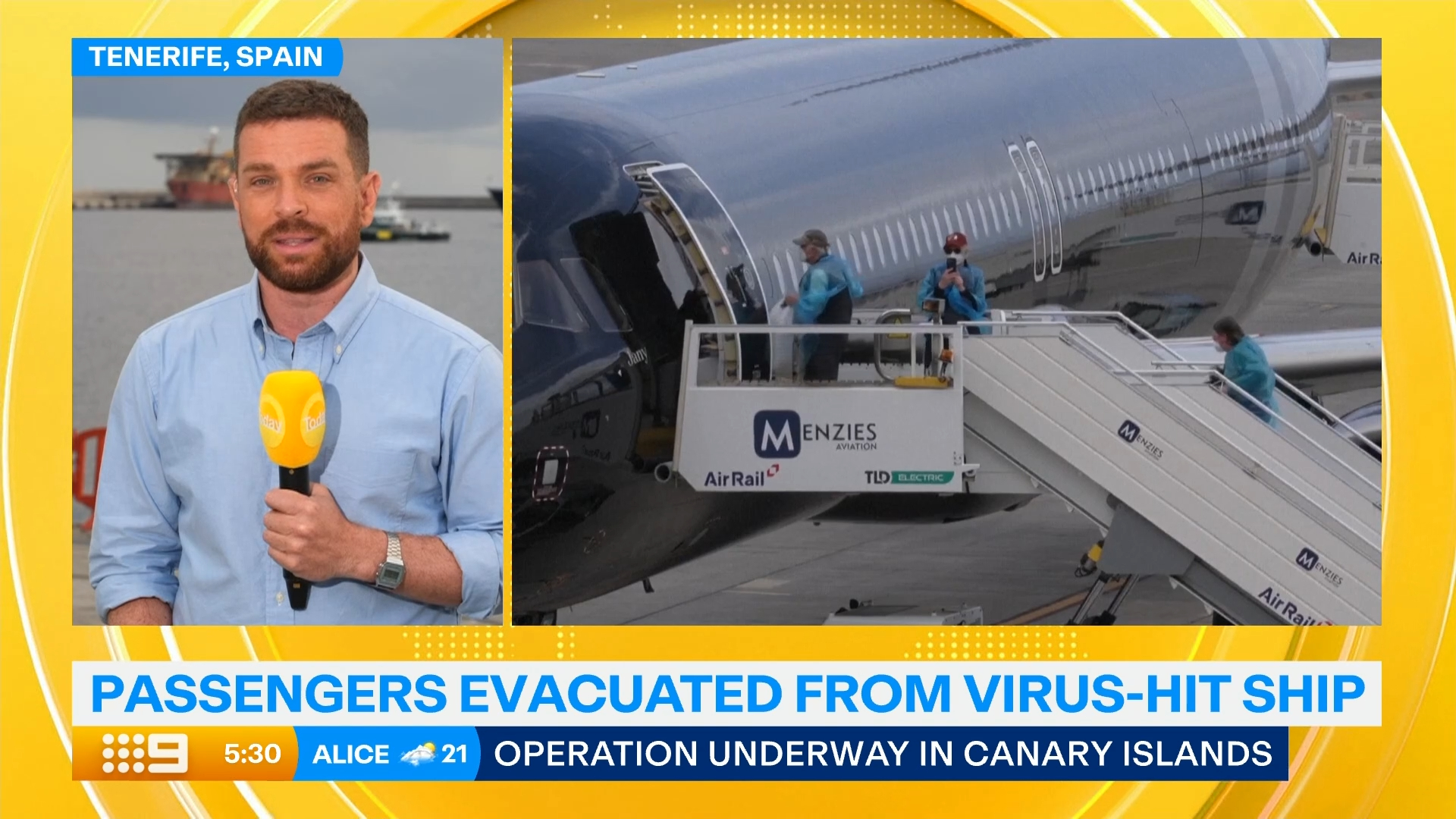
A new health alert has been issued regarding an ongoing hantavirus outbreak, which originated in a country that has become the epicenter of this viral threat. The situation has raised concerns among health officials and travelers alike, especially with reports indicating that the virus may have spread through a cruise ship.
According to Smarttraveller, hantavirus, which is transmitted through contact with infected rodents, “continues to be a risk in Argentina, including in and around Buenos Aires and northern Patagonia.” Three individuals have lost their lives as a result of this outbreak.
Key Information from the Latest Updates
- Avoid contact with live or dead rodents, nests, burrows, and droppings.
- Hantavirus transmission typically occurs when people inhale contaminated residue from rodent droppings.
- The disease is not easily transmitted between people, but the Andes virus detected during the cruise ship outbreak may be able to spread between people in rare cases.
- Symptoms usually appear between one to eight weeks after exposure.
Argentina is still classified as a “green” country, meaning travelers should exercise “normal precautions.”
Disputes Over the Origin of the Outbreak
Officials in Argentina’s Tierra del Fuego province are challenging the claim that the ongoing deadly hantavirus outbreak may have originated there. They argue for further investigations into other Argentine provinces that passengers visited before boarding the ill-fated Atlantic cruise ship.
Current and former officials in the archipelago at the southernmost point of South America insist that the virus did not originate from the trash heap in Ushuaia, which national health authorities previously identified as the most likely place two Dutch tourists contracted it while bird-watching.
Australians on Board the Cruise Ship
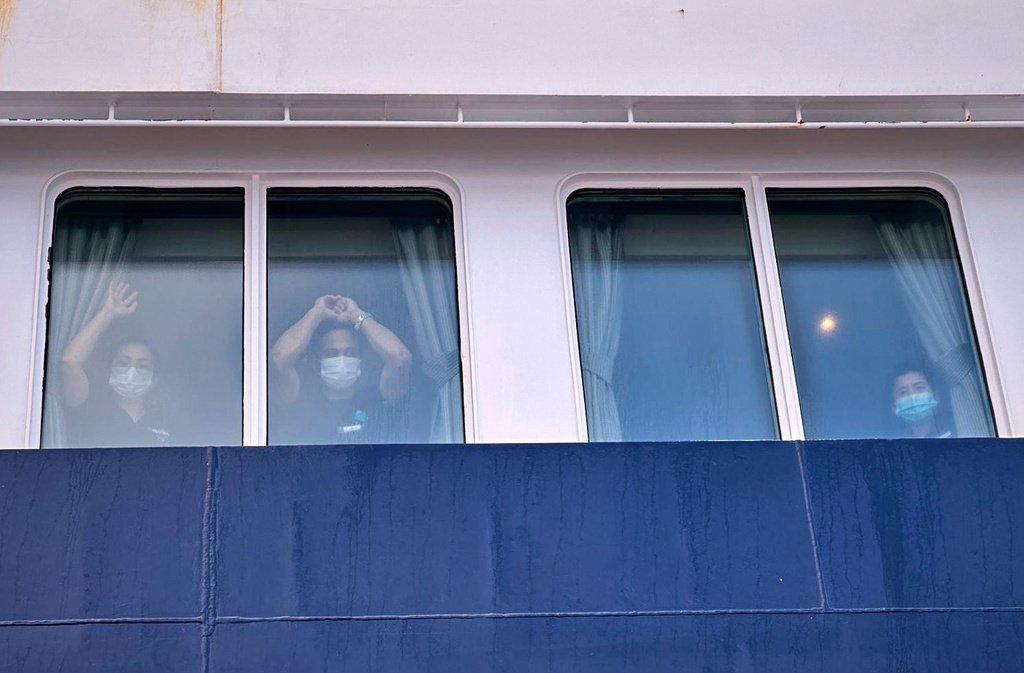
Australians who were on board the ship are still waiting on the vessel, despite other passengers departing, as they await a flight home. The four Australian citizens, one permanent resident, and a New Zealand national are expected to leave the Canary Islands, where passengers have finally begun to disembark, later today and touch down in Perth on Tuesday.
A federal government spokesperson stated that Department of Foreign Affairs and Trade consular officers in Tenerife and Canberra had been closely coordinating the response while the Commonwealth and states are working through health and transport arrangements.
Ongoing Concerns and Public Health Response
Three people have died since the outbreak, and five passengers who left the ship are infected with hantavirus, which can cause life-threatening illness. More cases of this deadly, rodent-borne illness could emerge in the coming weeks, but the risk to public health is considered “low,” according to the World Health Organisation.
“This is not another COVID. And the risk to the public is low. So they shouldn’t be scared, and they shouldn’t panic,” said WHO Director-General Tedros Adhanom Ghebreyesus.

What You Need to Know
- Symptoms: Typically appear between one to eight weeks after exposure.
- Transmission: Usually through inhalation of contaminated rodent droppings.
- Public Health Risk: Low, according to the WHO.
Stay Informed
Never miss a story by following us across all platforms. Download the App here via Apple and Google Play. Make your preferred source on Google by ticking this box here. Sign up to our breaking newsletter here.


