A Daring Mission to a Remote Island
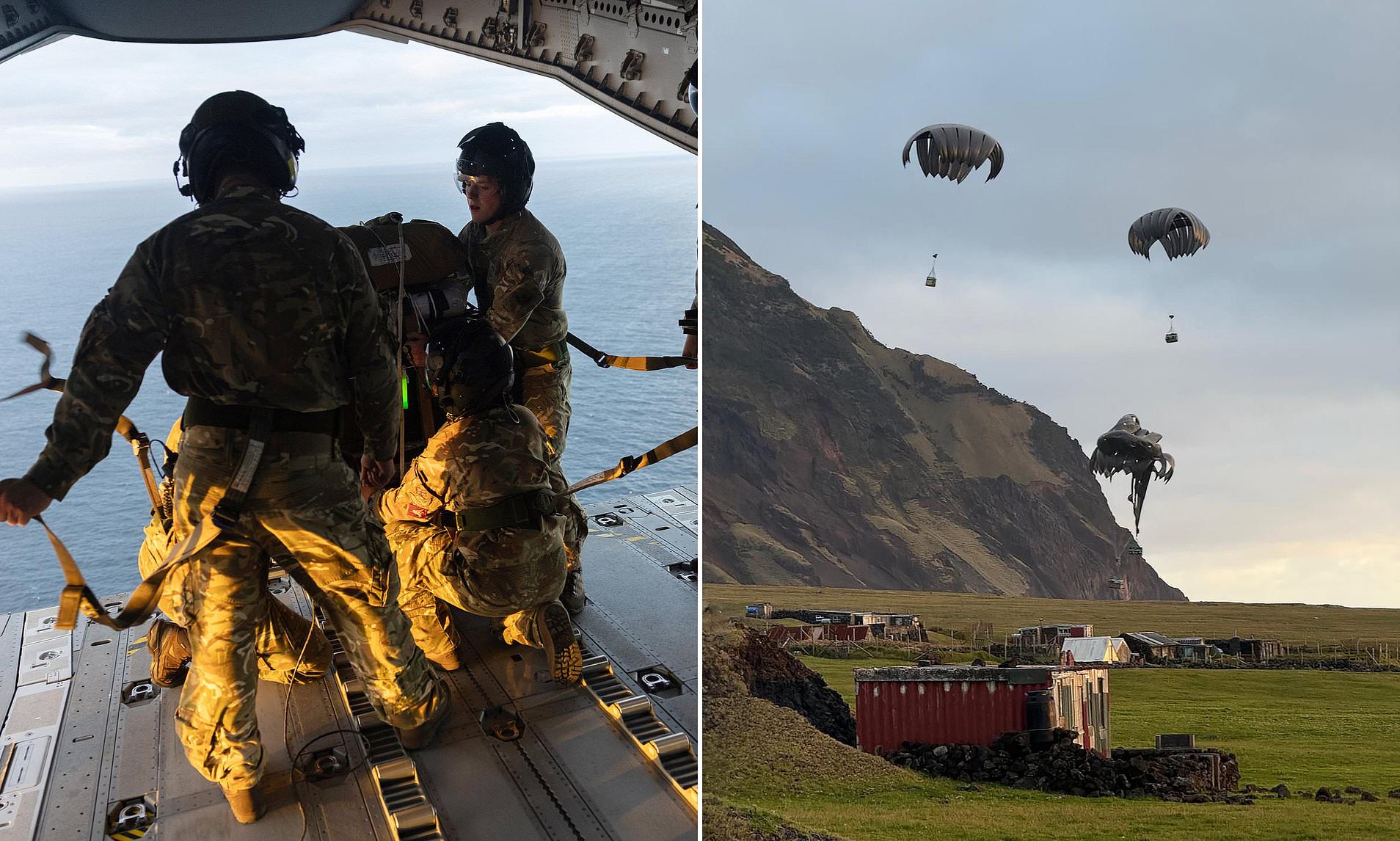
A group of eight British Army personnel embarked on an extraordinary mission to parachute onto the world’s most remote inhabited island, Tristan da Cunha, in order to treat a British citizen suffering from hantavirus. This unique operation was carried out by a specialist team, including six paratroopers, an RAF consultant, and an Army nurse from 16 Air Assault Brigade.
The mission took place on the British overseas territory of Tristan da Cunha, located in the South Atlantic. The island does not have an airstrip, which made it necessary for the team to be airdropped onto the island. The troops had to immediately turn into the wind upon jumping to avoid being blown off course by the strong winds that frequently sweep across the area.
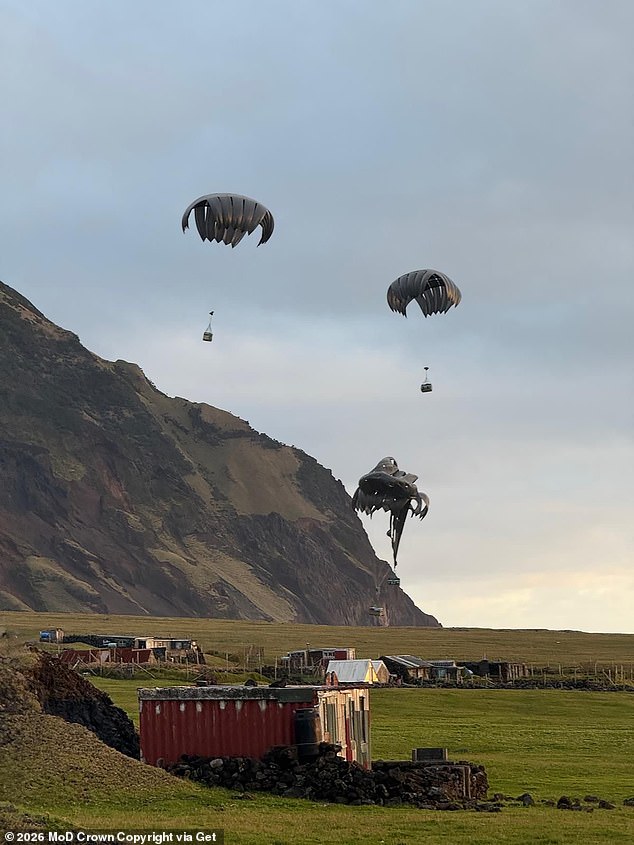
Tristan da Cunha is known for its dramatic landscape, including a massive shield volcano that rises to 2,062 metres above sea level. Although the volcano is considered active, it last erupted underwater in 2004. The drop zone for the mission was a golf course covered in rocks, adding another layer of difficulty to the already challenging operation.
Once safely on the island, the team was tasked with treating a patient suspected of being infected with hantavirus, a deadly virus transmitted by rats. Oxygen supplies and medical aid were also airdropped onto the island, marking the first time that military personnel and medical supplies have been delivered to Tristan da Cunha by parachute.
A Unique Challenge
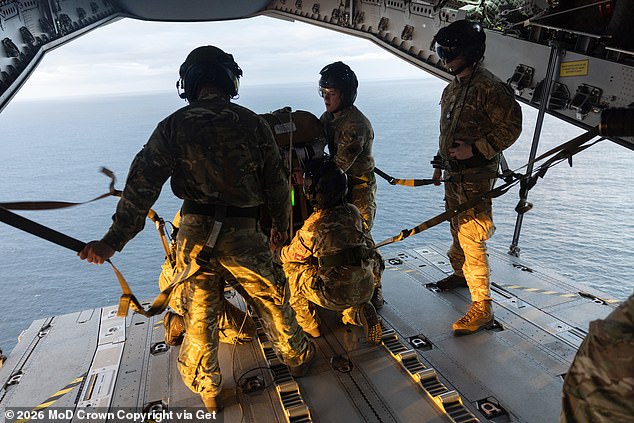
Tristan da Cunha has a small population of just 221 people, with only two doctors and four nurses available at its sole hospital. The mission involved an RAF A400M transport aircraft flying from RAF Brize Norton to Ascension Island, supported by an RAF Voyager, before heading to Tristan da Cunha.
Brigadier Ed Cartwright, the commander of 16 Air Assault Brigade, described the journey as a significant challenge, noting that there were “7,000 miles and about 56 hours” between the request for help and the arrival of the parachutists and medical supplies on the ground. He emphasized the risks involved, including high winds and the difficulty of reaching the island, which typically takes over a week by boat.
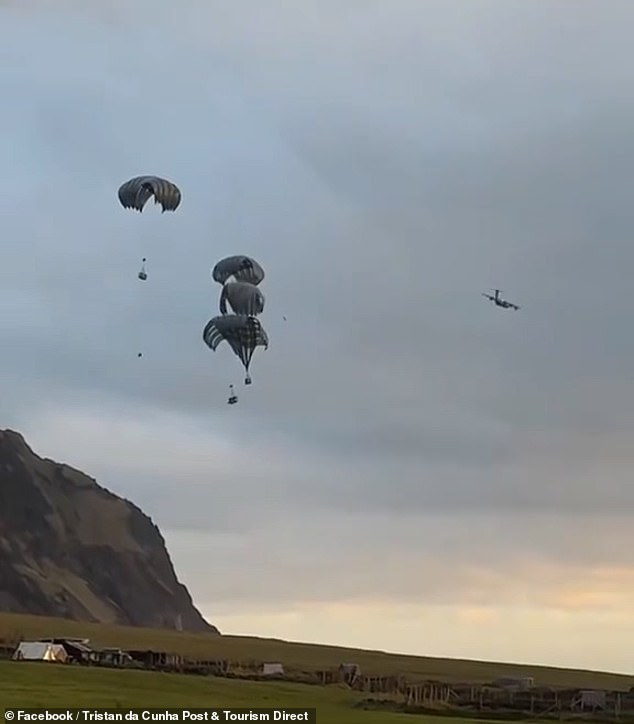
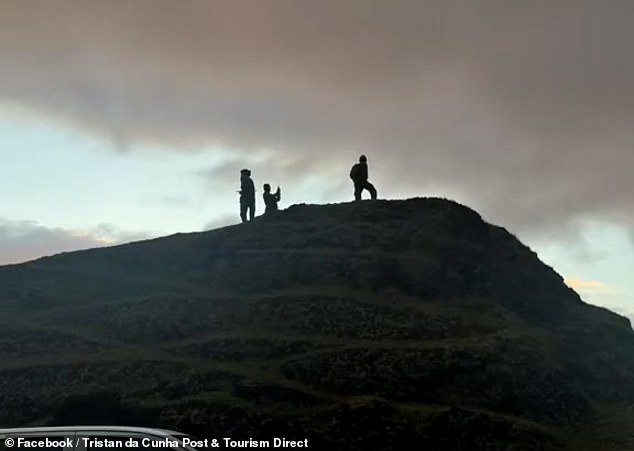
Captain George Lacey, second in command of the British Army’s Pathfinders, described the mission as a “dream mission” for the team. He noted that the soldiers were well-trained for such operations, having completed hundreds of jumps throughout the year. The islanders welcomed the team with open arms, expressing their gratitude for the support provided.
Broader Implications
This mission marked a significant milestone in humanitarian efforts, as it was the first time that medical personnel had been parachuted in to provide assistance. Foreign Secretary Yvette Cooper emphasized the importance of ensuring the safety of all members of the British family, stating that the government would continue to work closely with international authorities and local administrations.
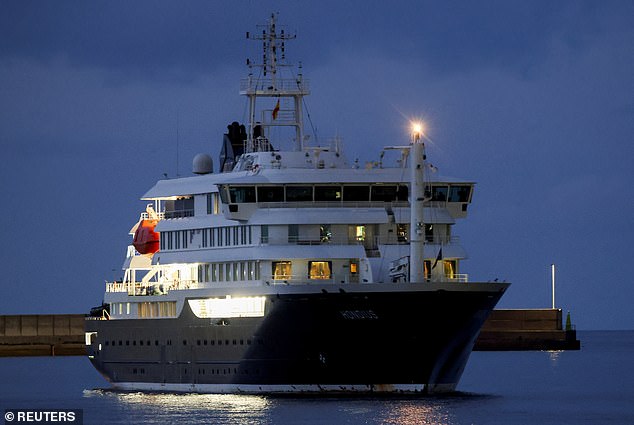
In addition to the mission on Tristan da Cunha, three additional medical staff arrived on St Helena, another remote island in the Atlantic Ocean. This followed the death of a Dutch man onboard the MV Hondius, with the island’s government deploying an infection prevention and control specialist and two laboratory scientists along with two members of the Ministry of Defence.
Return to the UK
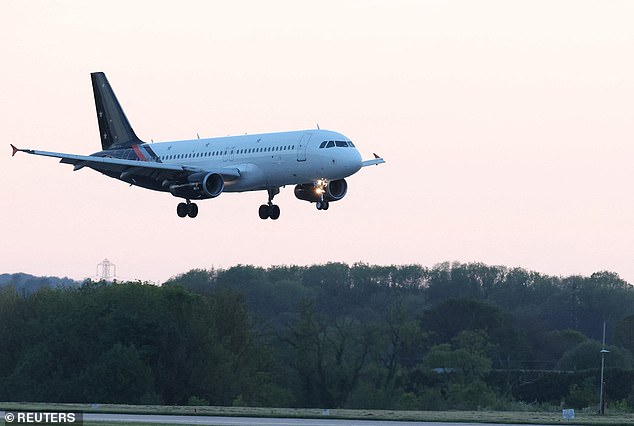
Meanwhile, passengers on the MV Hondius finally disembarked in Tenerife and made their way home. British passengers were tested for hantavirus before being taken on a repatriation flight to Manchester Airport. They were then isolated at Arrowe Park Hospital, the UK’s initial quarantine site used during the early stages of the Covid-19 pandemic.
The UK Health Security Agency (UKHSA) confirmed that the risk to the public remains very low. Passengers will be housed in an accommodation block away from the hospital’s public areas for up to 72 hours for clinical assessments and testing. They will then remain in self-isolation for 45 days and will not be allowed to use public transport to return home.
Ongoing Monitoring and Support
Public Health Minister Sharon Hodgson expressed her gratitude to the NHS workers caring for the passengers at Arrowe Park Hospital, highlighting the dedication and professionalism of the healthcare teams. She emphasized that none of the passengers are symptomatic but will be closely monitored over the next 72 hours.
The World Health Organisation reported that there were no symptomatic passengers on board the ship, with six confirmed hantavirus cases linked to the MV Hondius. The agency noted that a total of eight cases, including three deaths, had been reported, with one previous suspected case reclassified after testing negative for hantavirus.
Janelle Holmes, chief executive of Wirral University Teaching Hospital NHS Foundation Trust, stated that the hospital would screen all arriving passengers for symptoms before allowing them to stay on-site. If anyone becomes unwell after arrival, they will be transferred quickly to another facility.
Emergency services in the north west of England expect the passengers to be kept in a ‘managed setting’ for up to 72 hours, after which public health specialists will assess whether they can isolate at home or another suitable location based on their living arrangements.