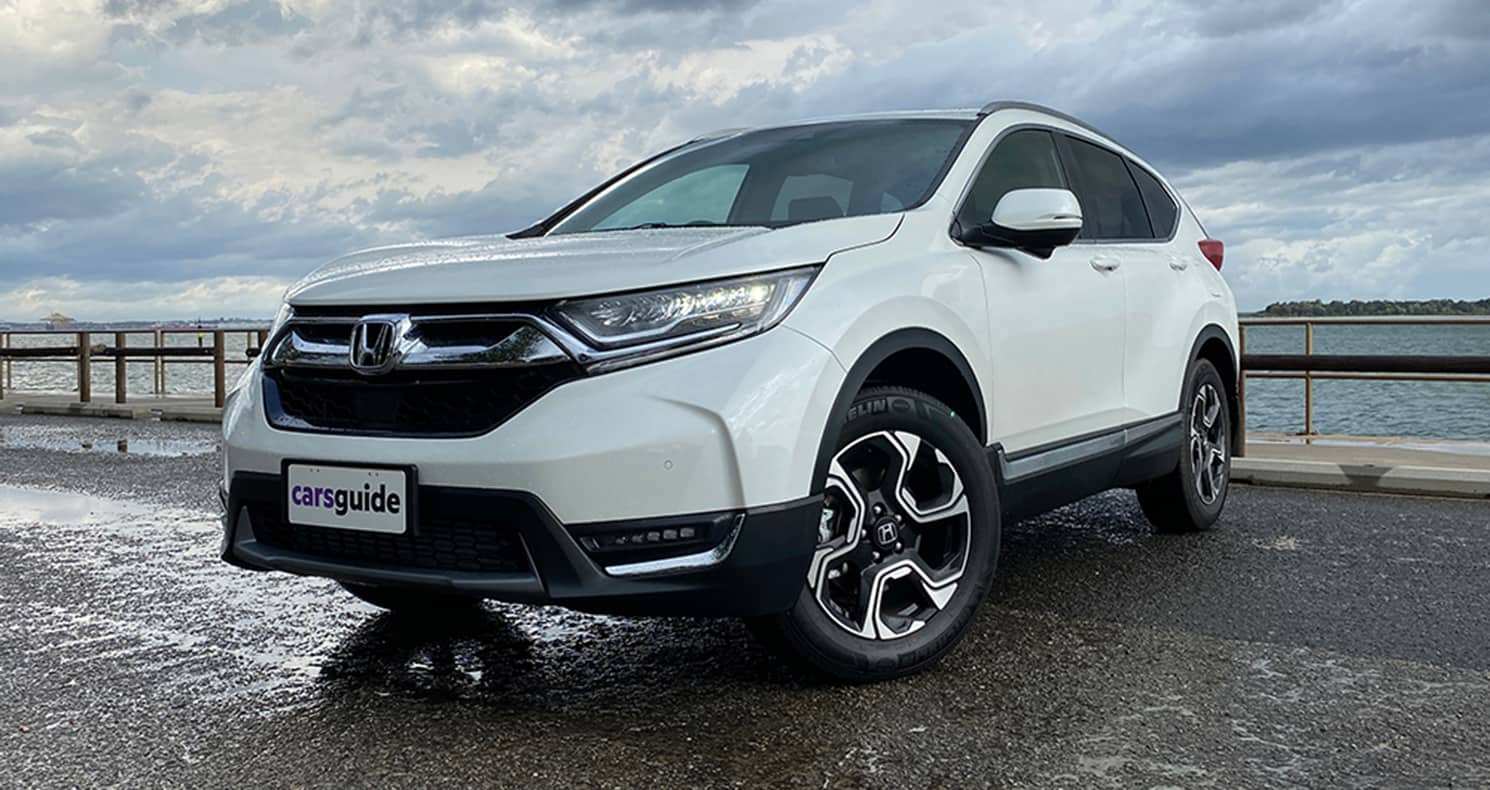
The Evolution of the Honda CR-V
There was a time when Honda was considered by some (and itself) to be the Japanese version of BMW. Sporty, prestige cars that were distinctive and high-end. How things changed.
Frankly, Honda lost its mojo somewhere around the turn of the century, and while there have been glimpses of that former aspirational brand, many of Honda’s products in the meantime have been cannon-fodder stuff. And into that mix, you could probably toss the CR-V.
It’s not that the CR-V was a bad car, just that it lacked the old sparkle. The fifth generation of the CR-V SUV failed to change that perception or Honda’s unenviable sales trajectory.
Honda CR-V 2020 Review: VTi-S AWD
Honda CR-V 2018 Review: VTi-LX
Honda CR-V VTi-LX 2017 Review
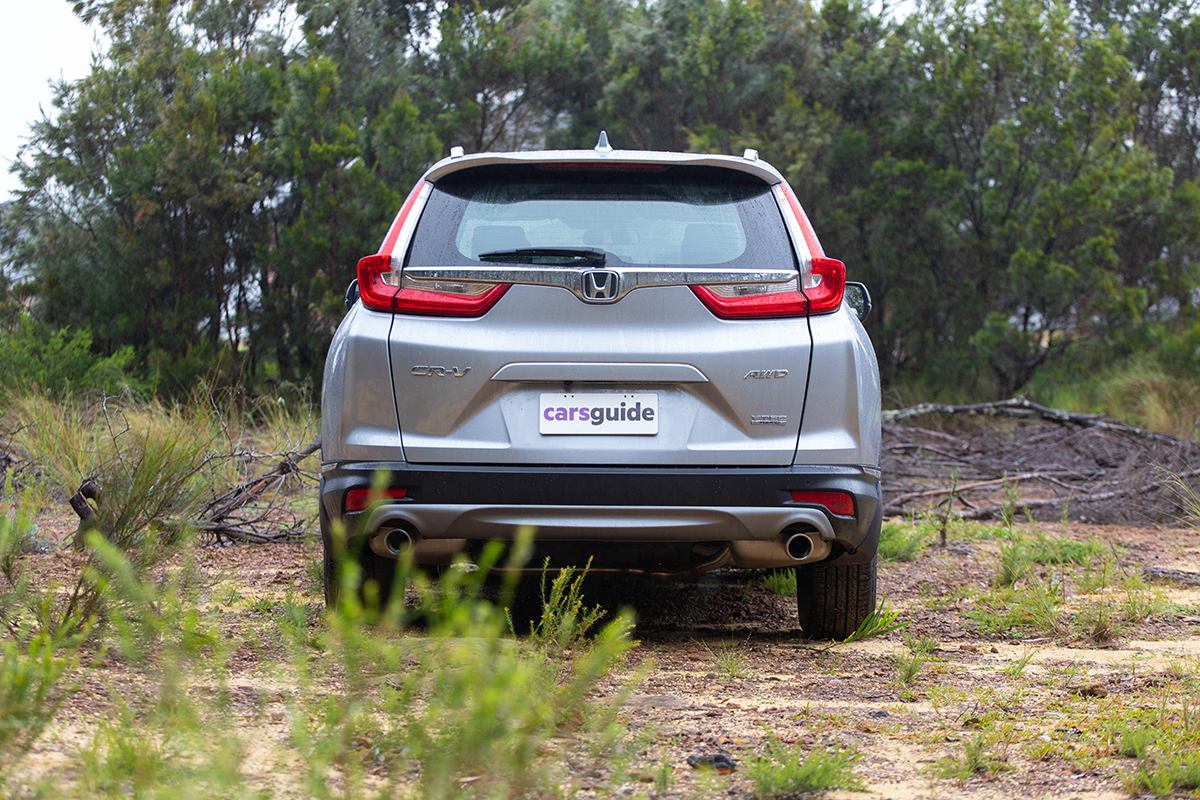
A shift to Thailand production didn’t help, either, and somehow the CR-V has struggled along. Which is not to say it isn’t worth a look as a used-car buy, because in terms of ride quality, cabin fit and finish and interior space relative to its exterior dimensions it’s still a Honda. In other areas, not so much…
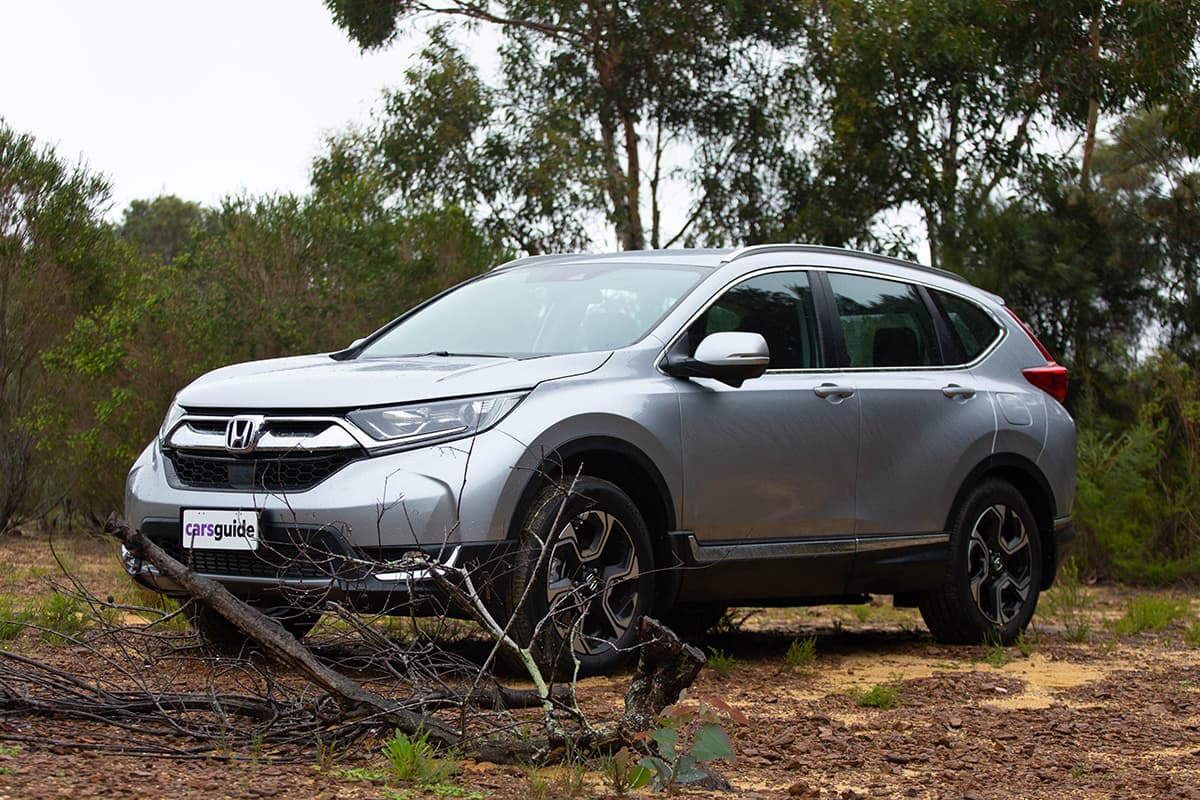
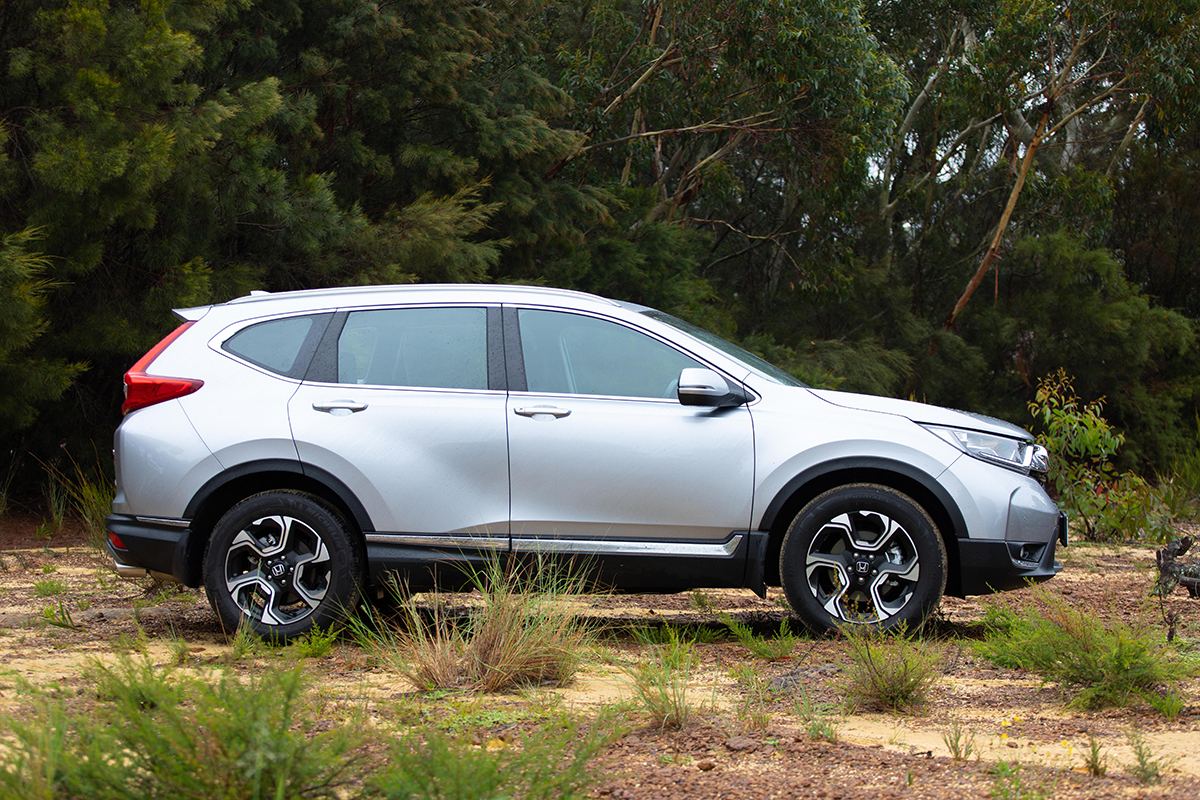
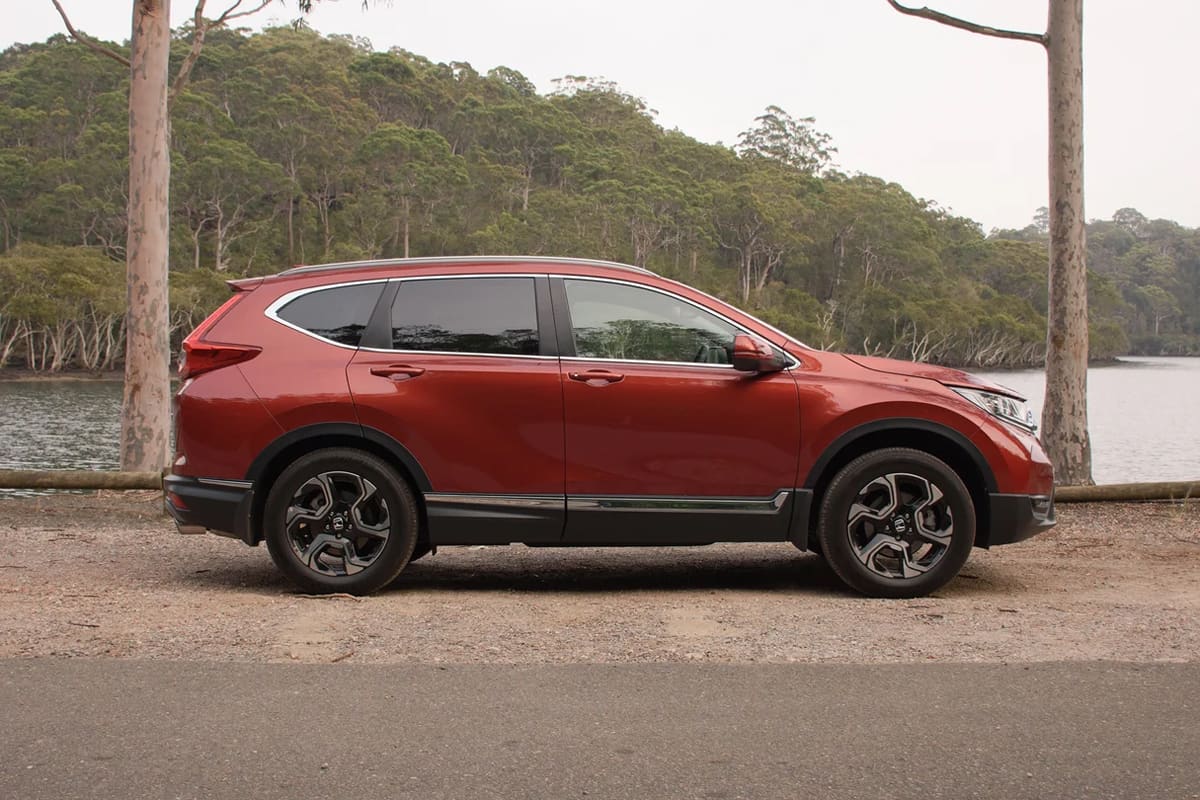
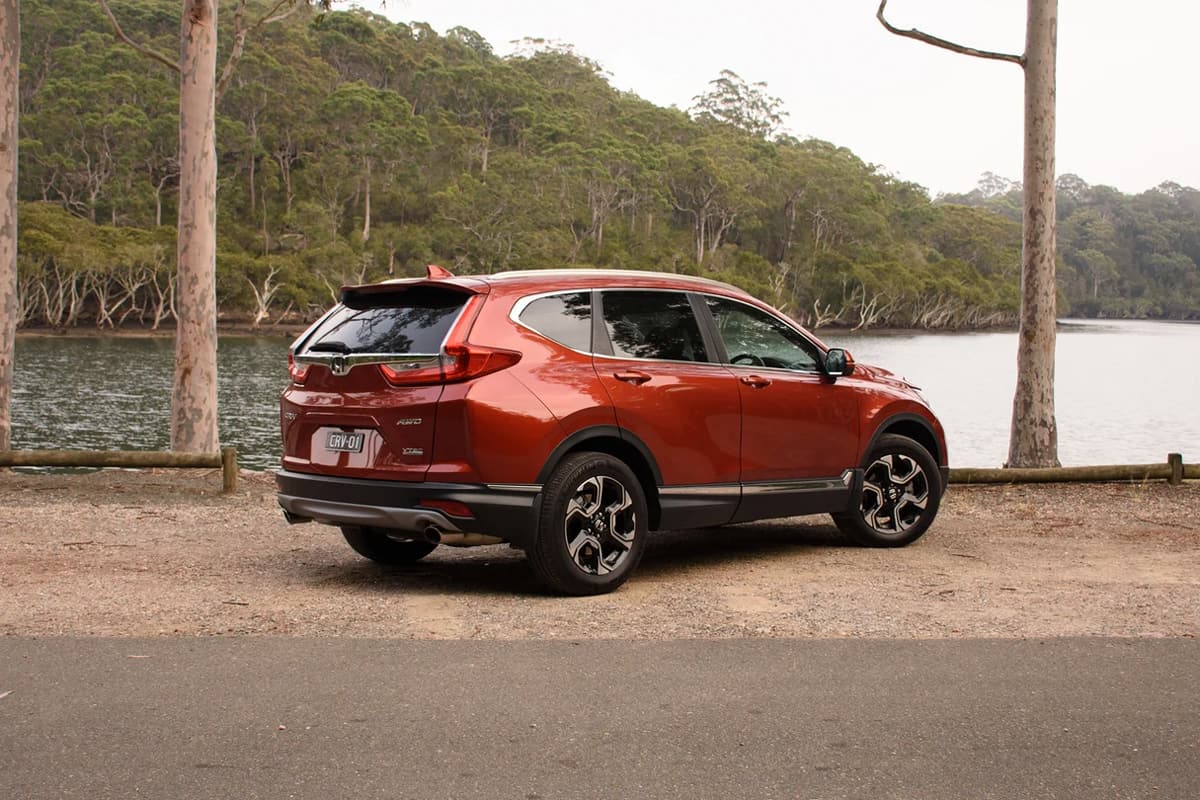
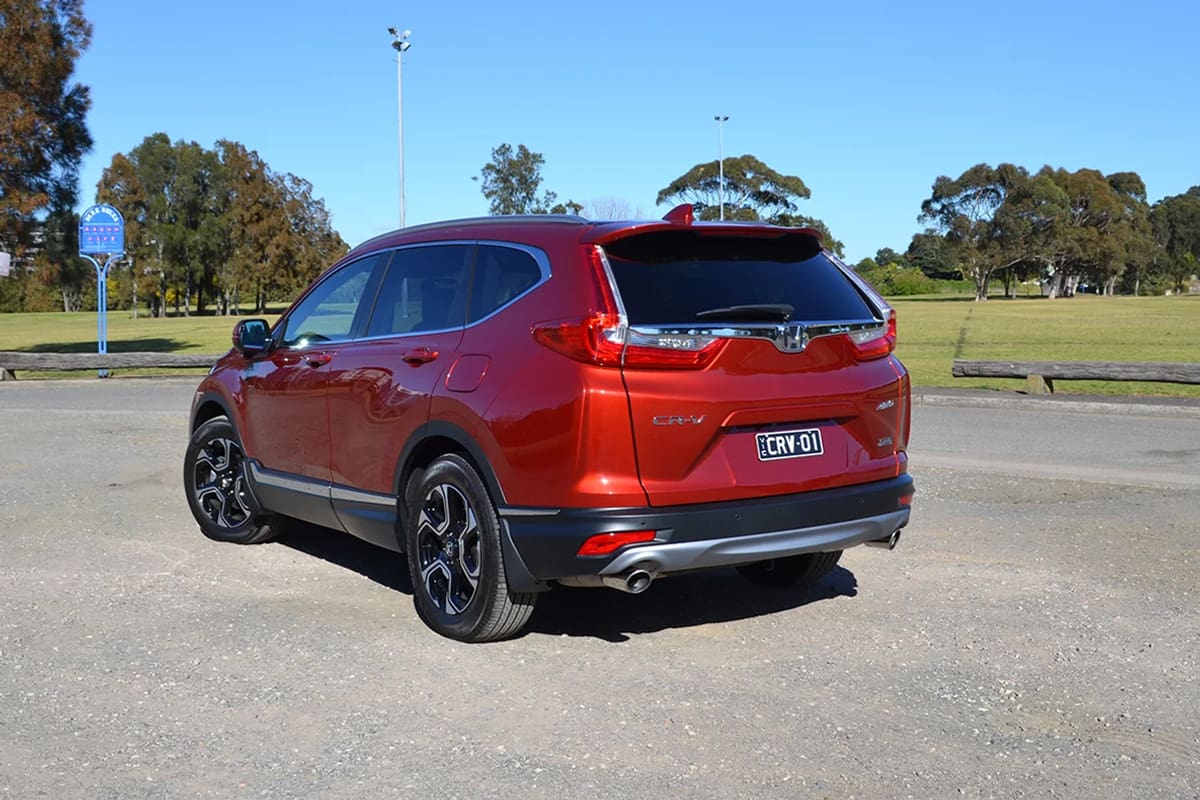
Dubbed internally the ‘RW’ series CR-V, this car was available in Australia in a bewildering range of models and driveline layouts. That started with the entry-level VTi which was a five-seater, front-wheel drive variant. The range then moved up to the better equipped VTi-S, still with five seats, but a choice of front- or all-wheel drive. The range-topper was the VTi-LX which was a five-seater and AWD only and then, just to confuse us, Honda also dropped the VTi-L into showrooms with its FWD platform but seven seats.
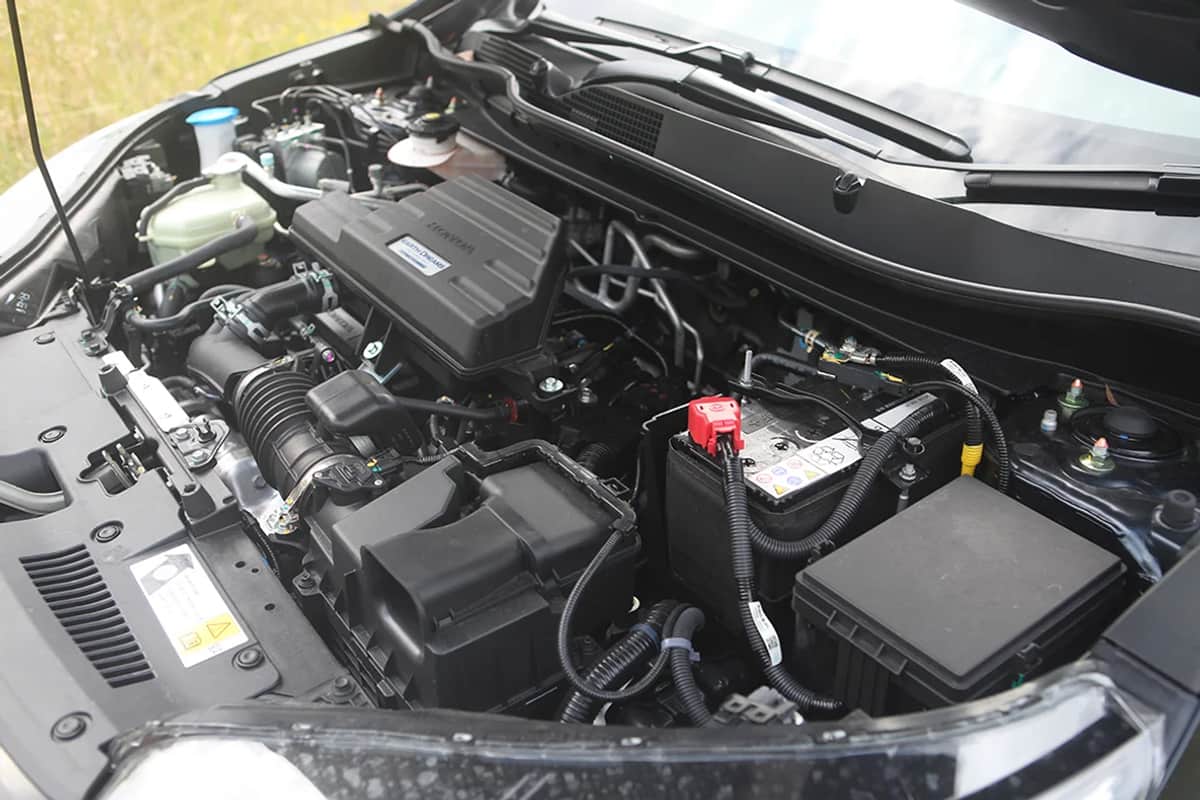
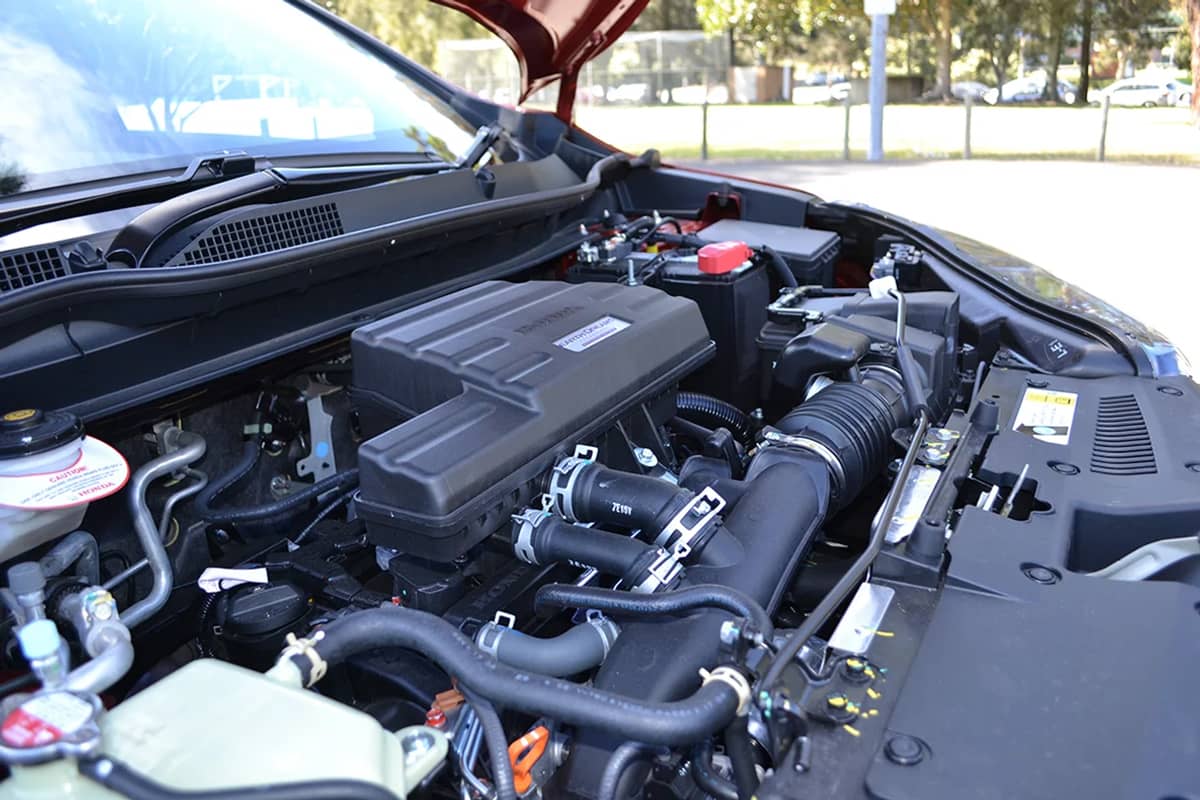
Which ever variant you bought you got the same powertrain; a 1.5-litre turbo-petrol engine driving through a Continuously Variable Transmission (CVT). Unless, of course, you bought the most affordable model which Honda quietly slipped into showrooms in 2019. Called the Vi, this was a stripped-out version designed to get a car on to the market at under $30,000. As a result, the turbo engine was dropped in favour of a gutless, low-tech SOHC 2.0-litre, four-cylinder with but 113kW. Add the same CVT auto and you had a recipe for humdrum.
Is the Honda CR-V a Good Car?
Let’s make one thing clear: The CR-V is not a bad car. But is it what rusted-on Honda fans were expecting? Perhaps not. The major concerns lie within the mechanical package and there’s no getting around the fact the 1.5-litre’s 140kW and 240Nm were only okay in performance terms. That wasn’t helped by the CVT auto which, though efficient, blunted performance and gave that weird sensation of the engine racing ahead and the rest of the car catching up.
The 2.0-litre version? Forget about it… slow as a wet week.
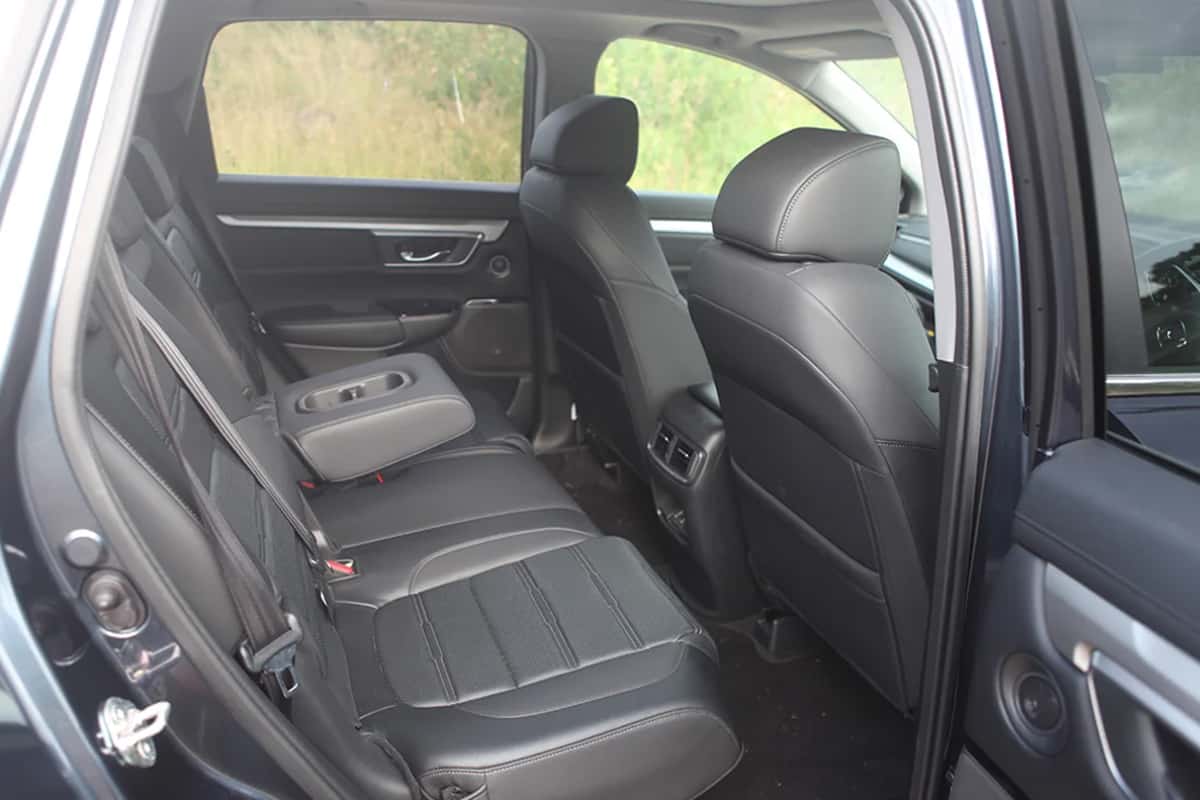
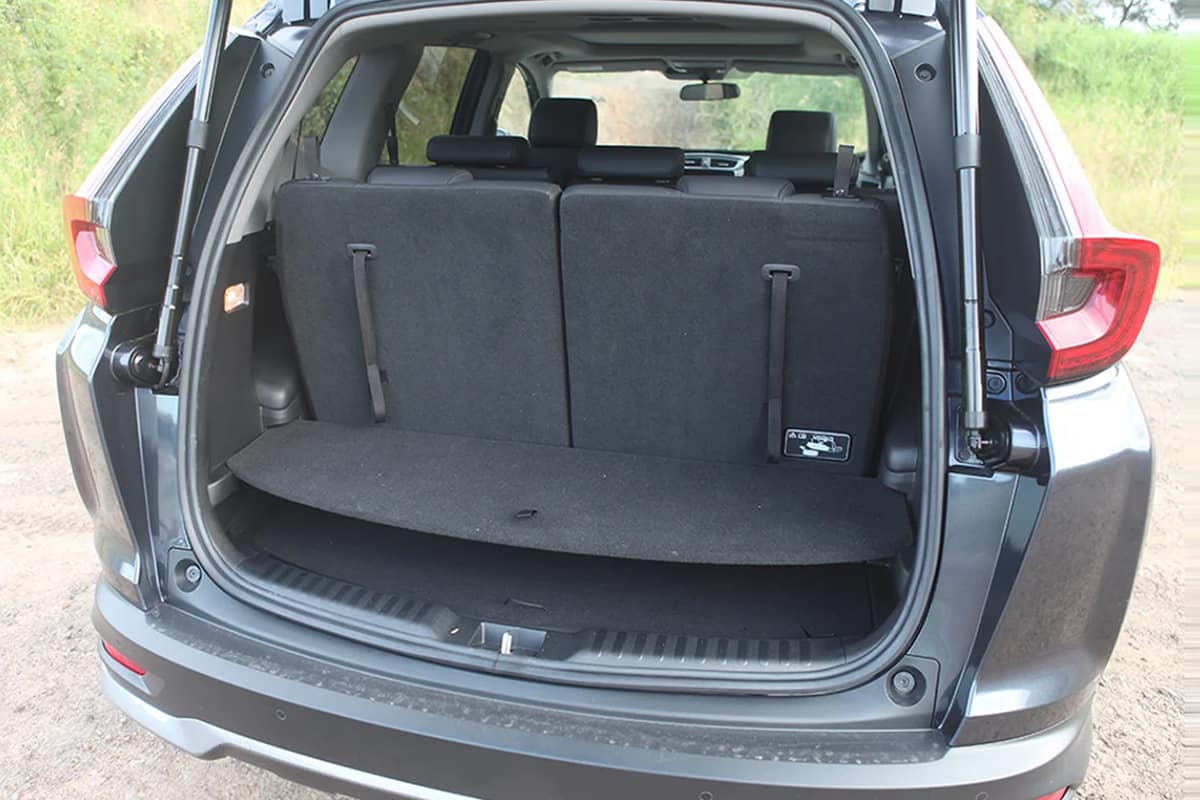
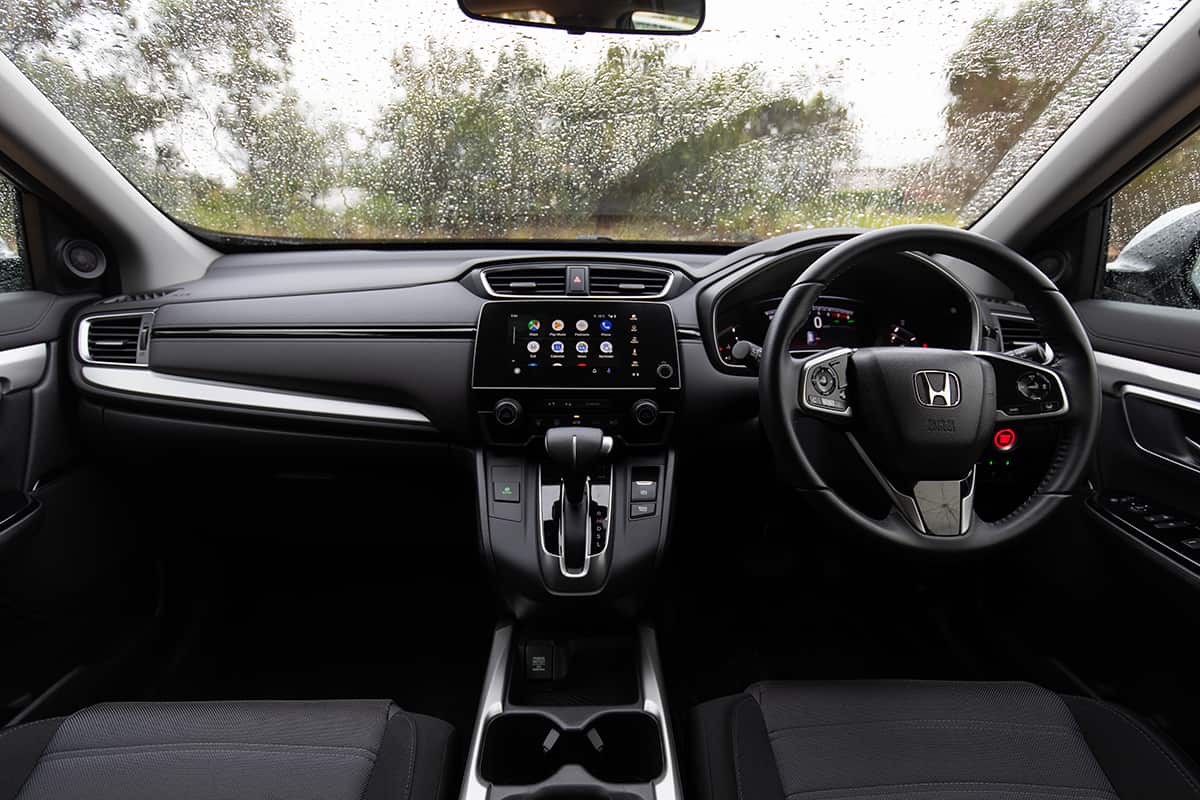
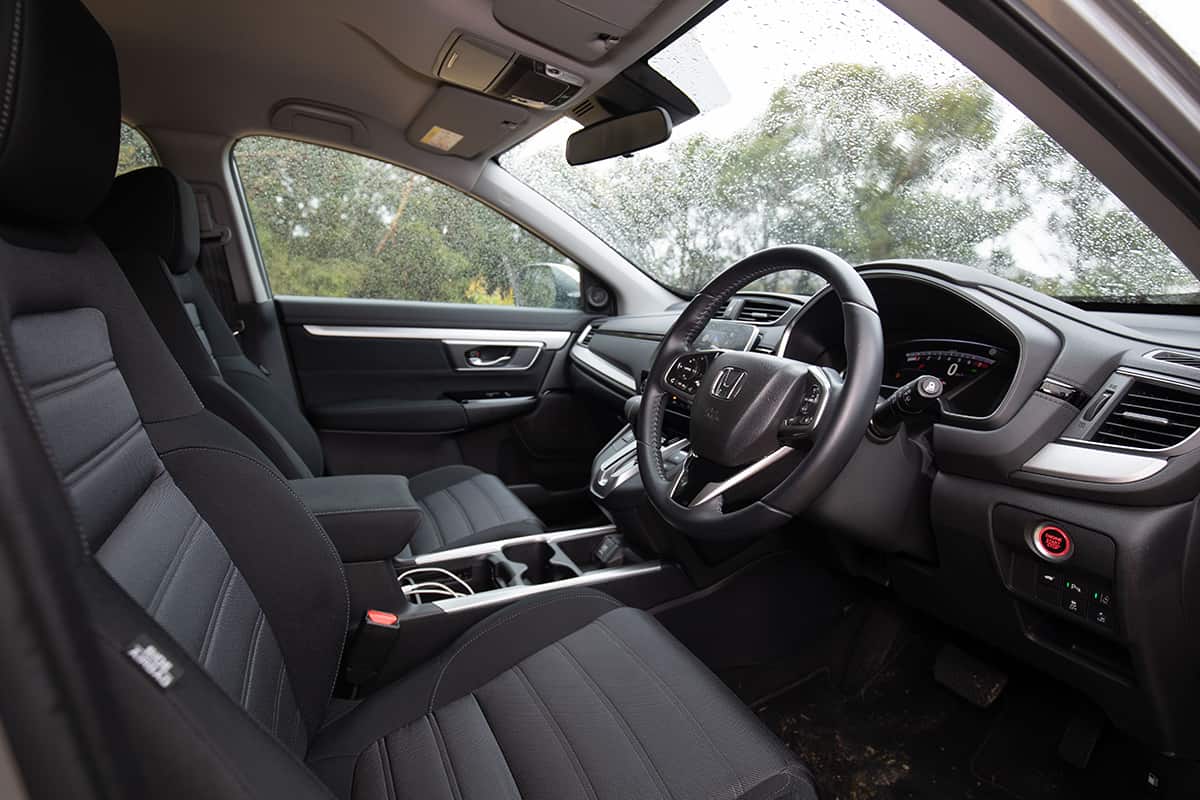
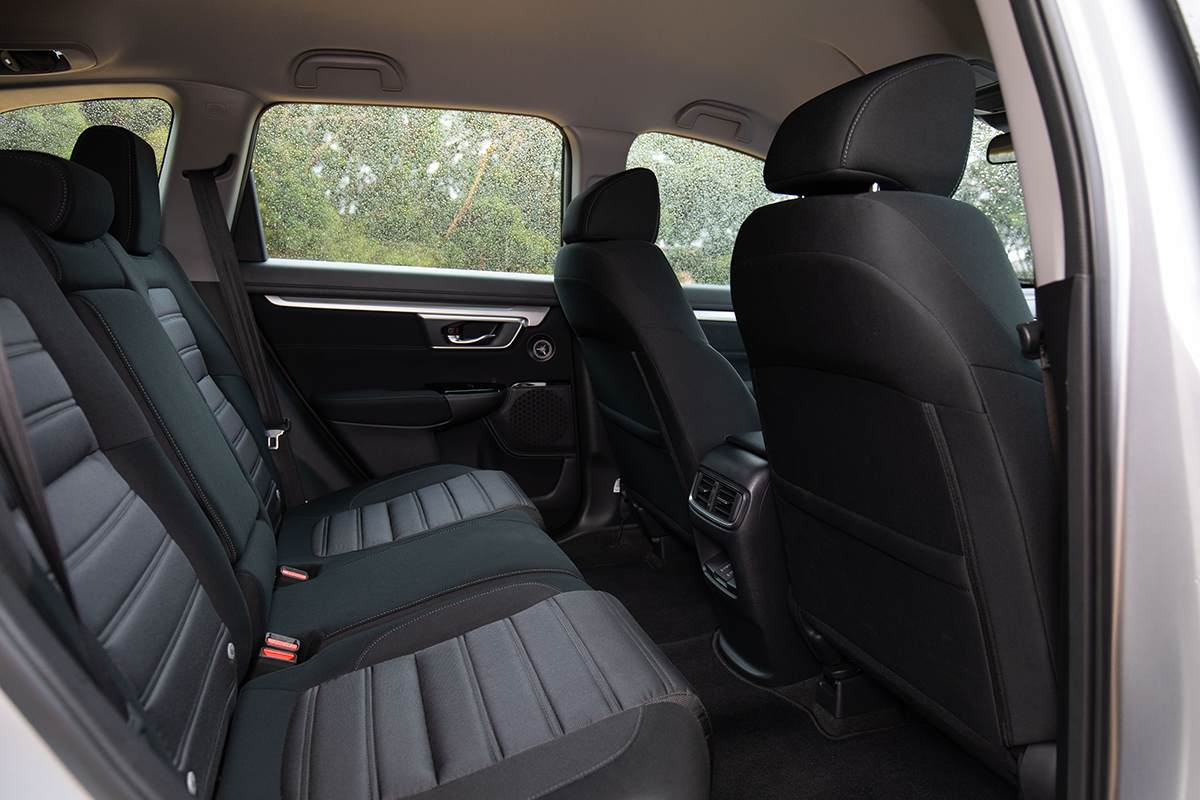
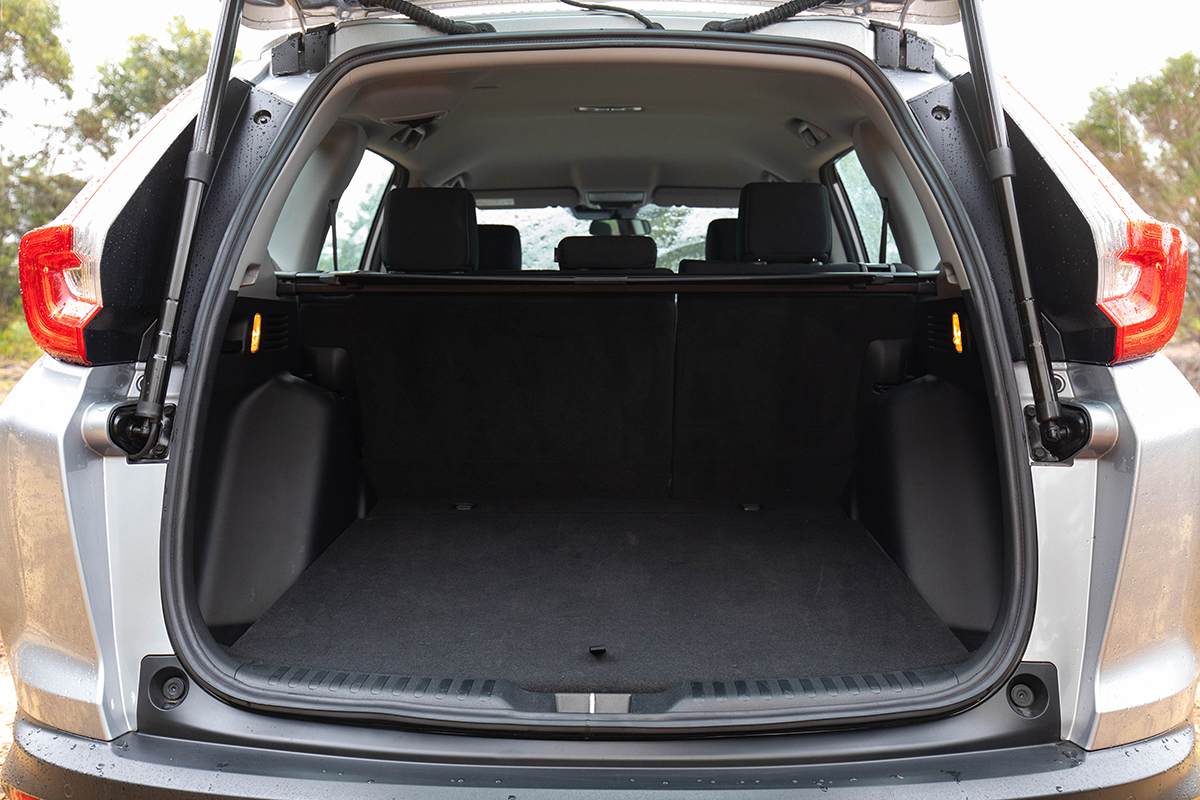
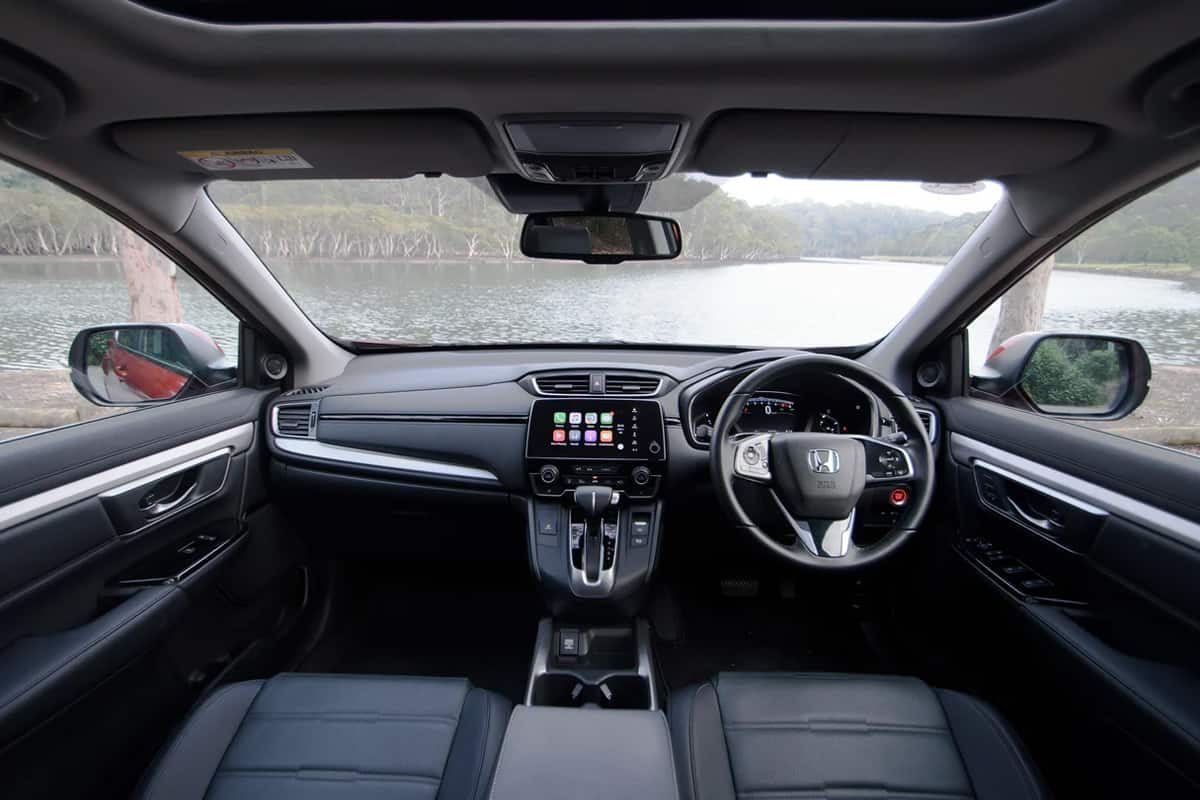
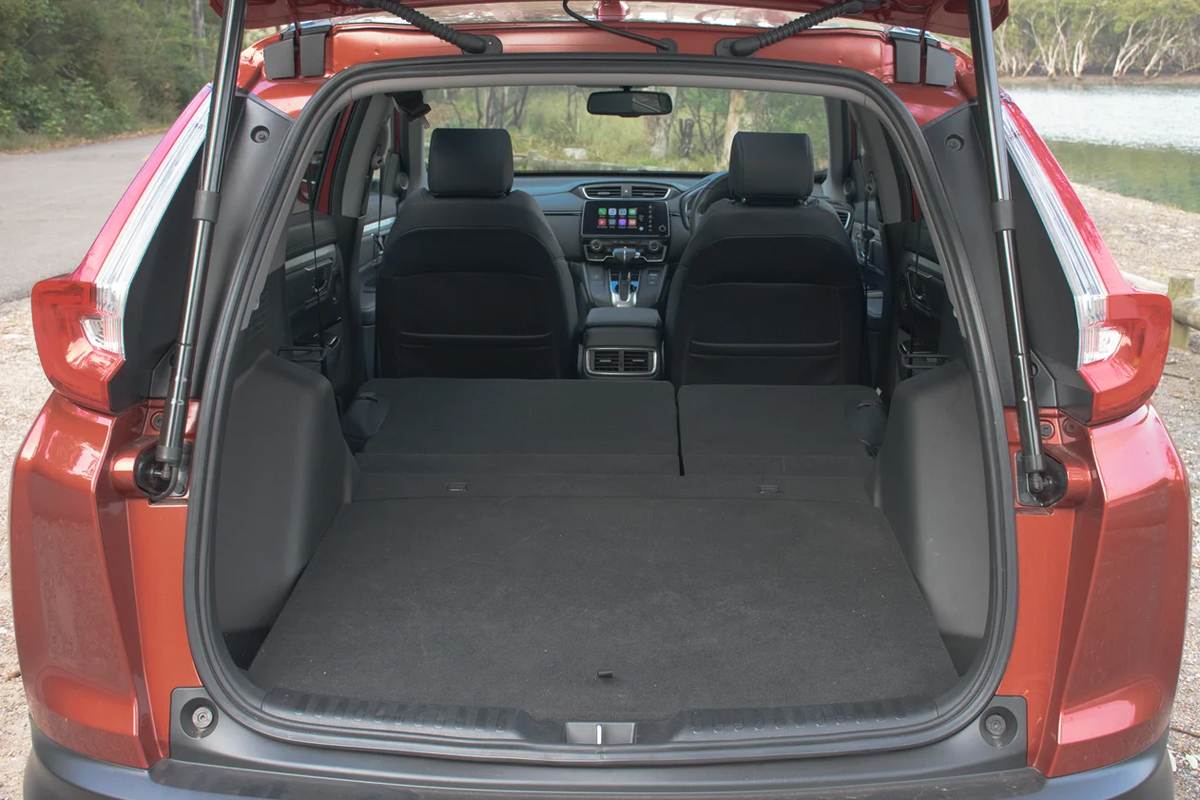
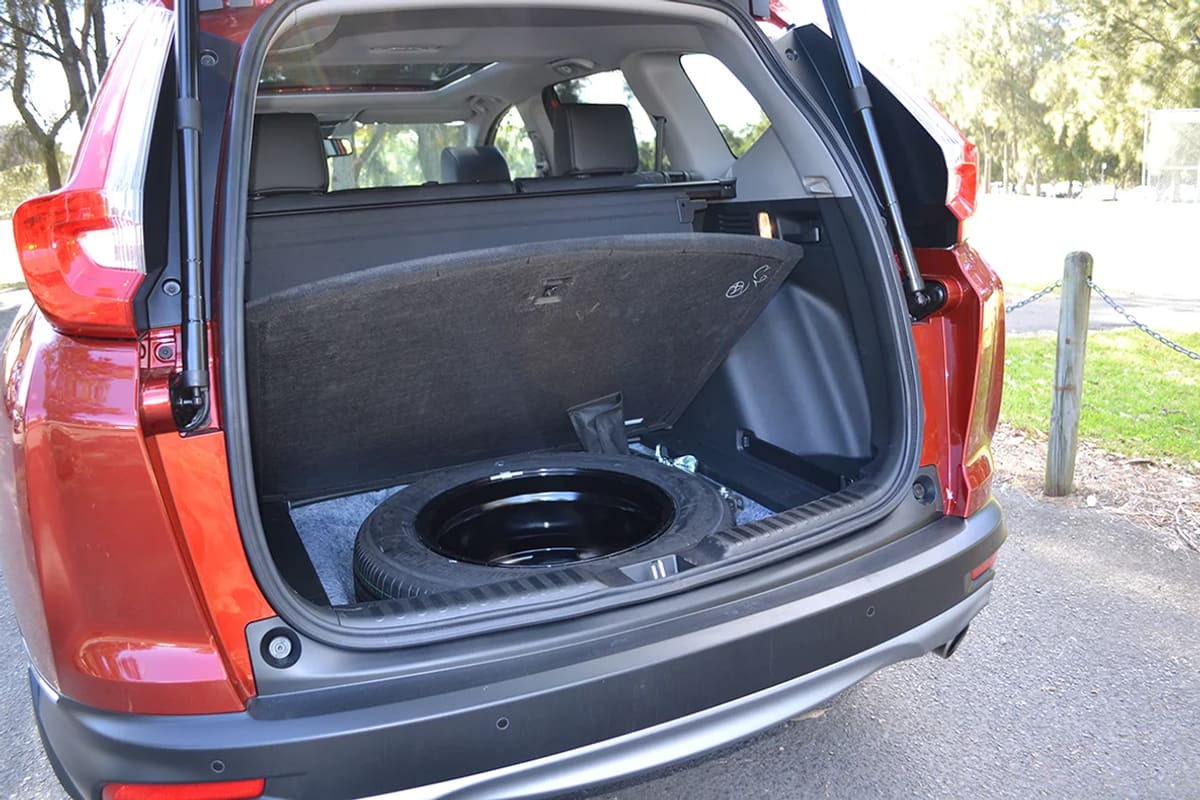
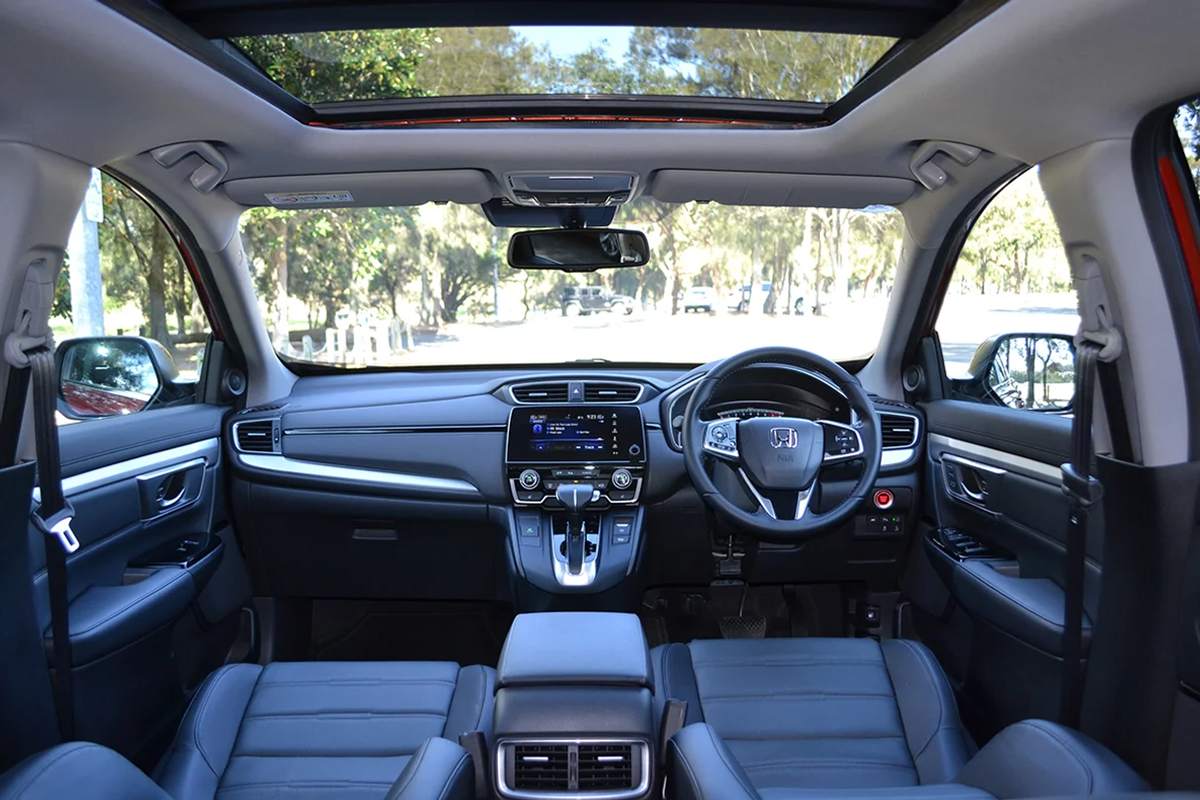
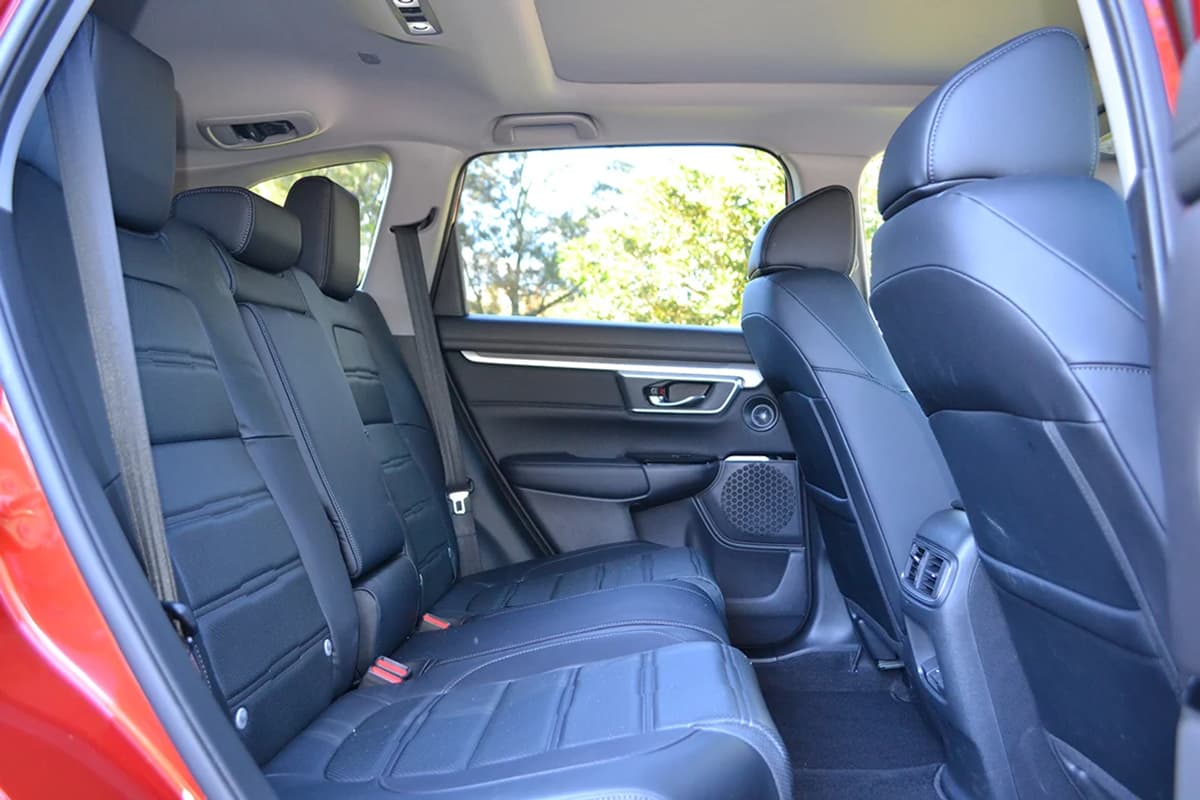
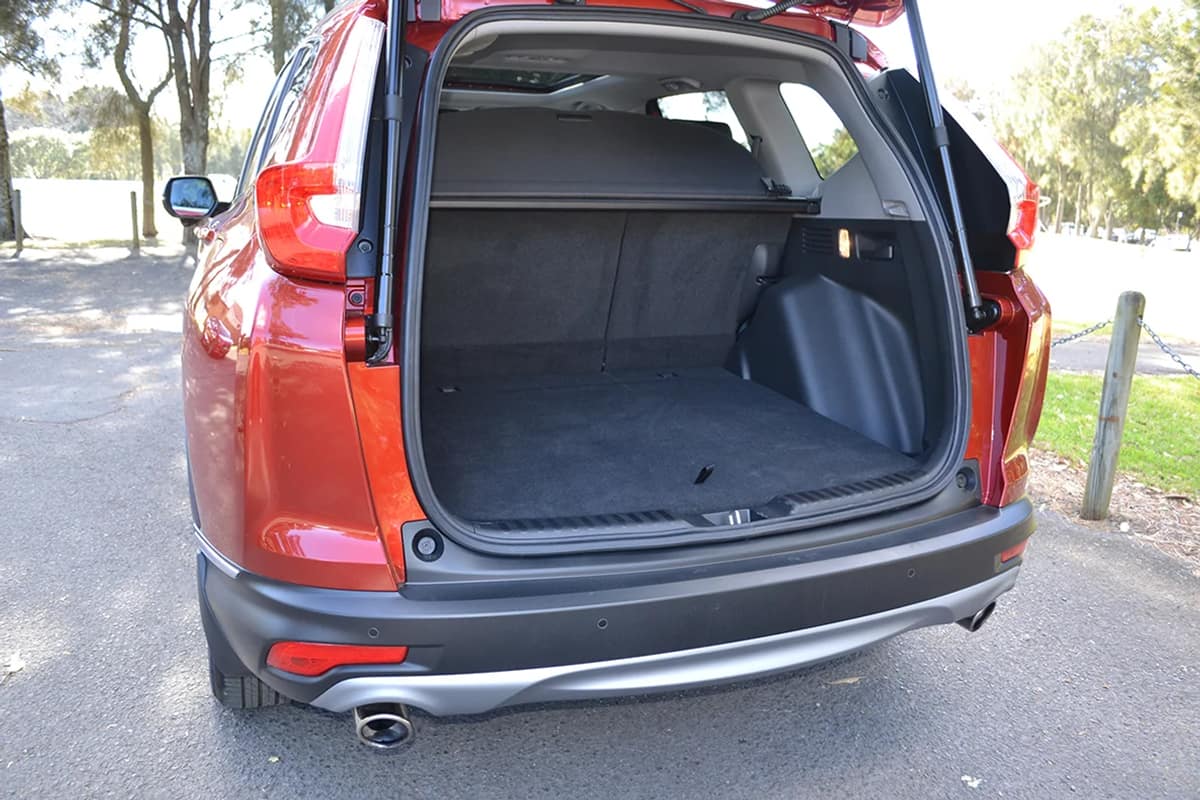
Interior space was good, though, but you need to keep in mind that a relatively compact car such as this one (although still much, much bigger than the original CR-V) with seven seats is going to be something of a compromise. And so it was, with less-than-perfect access to the third row and a meagre 150 litres of luggage space with all seats occupied.
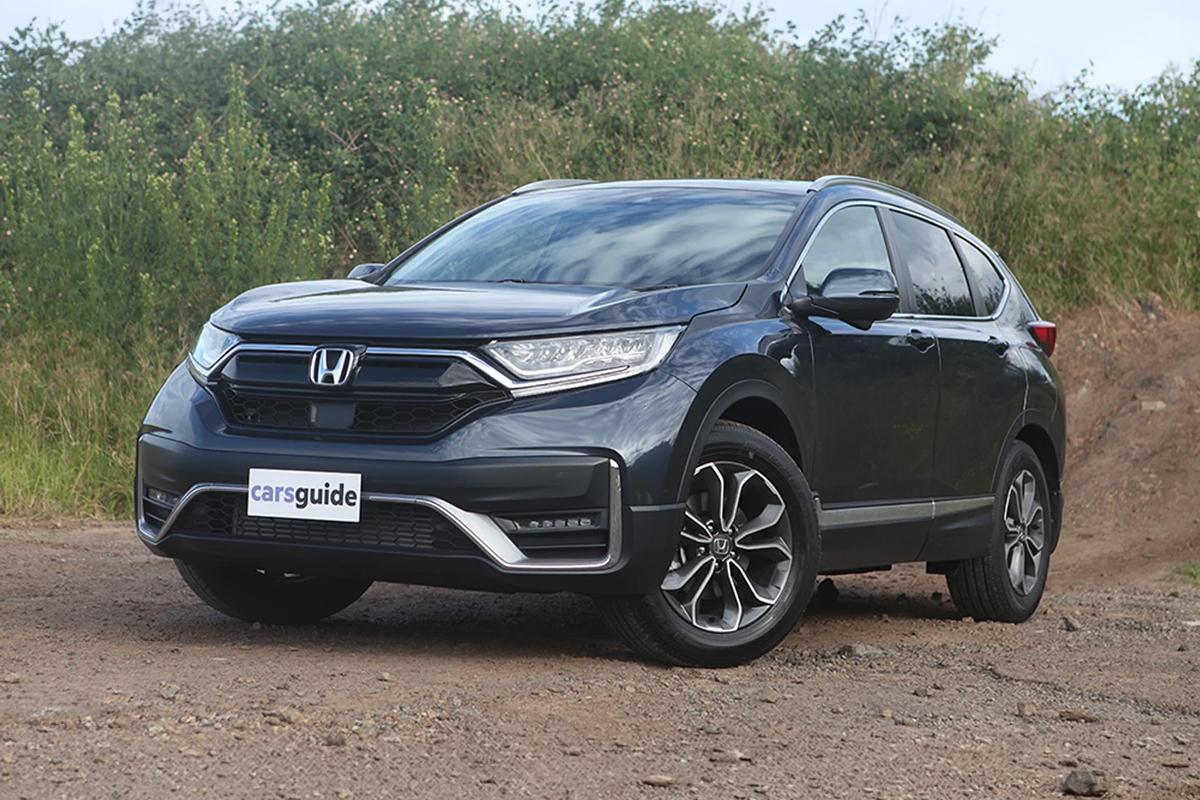
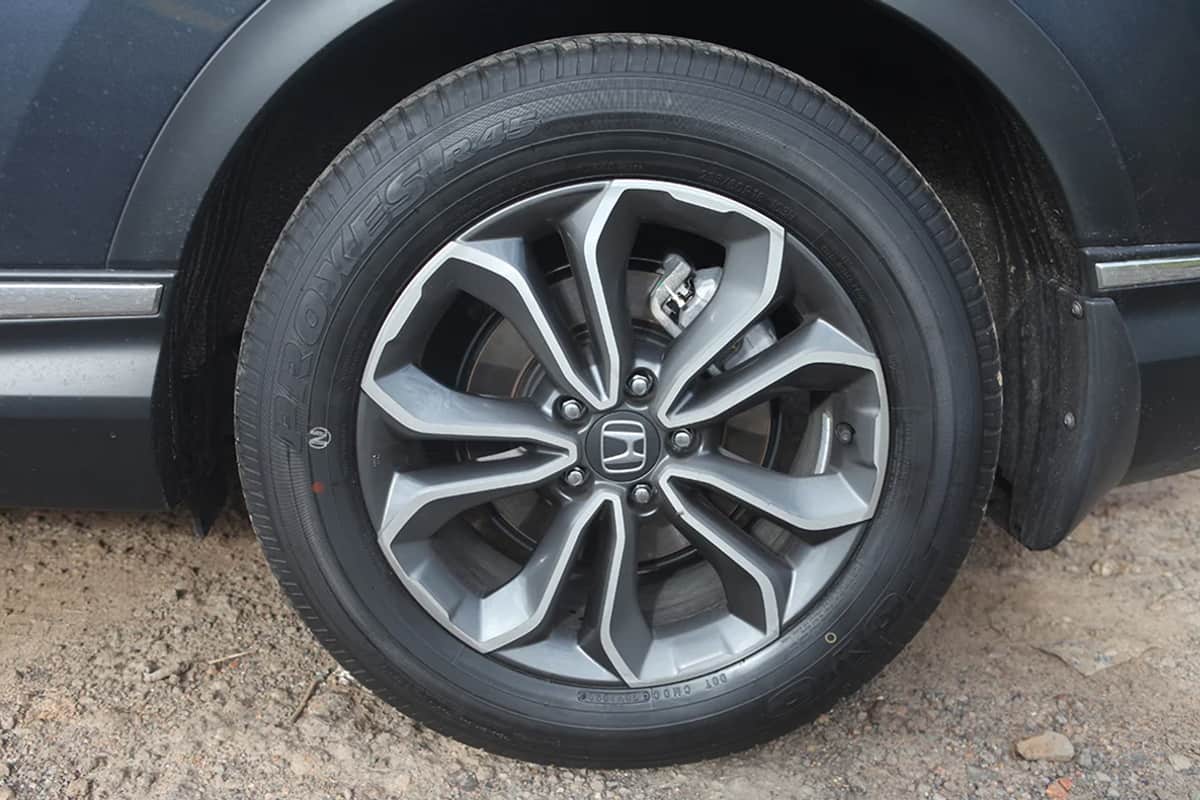
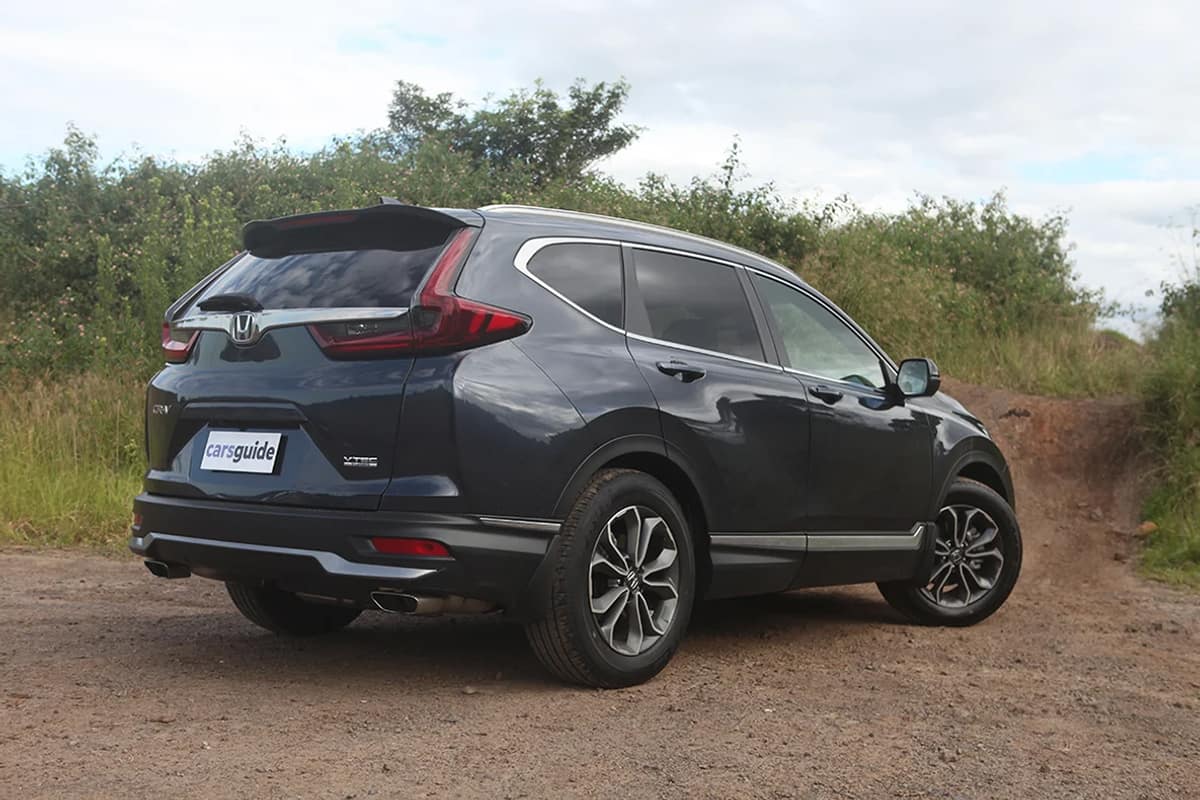
Safety Features
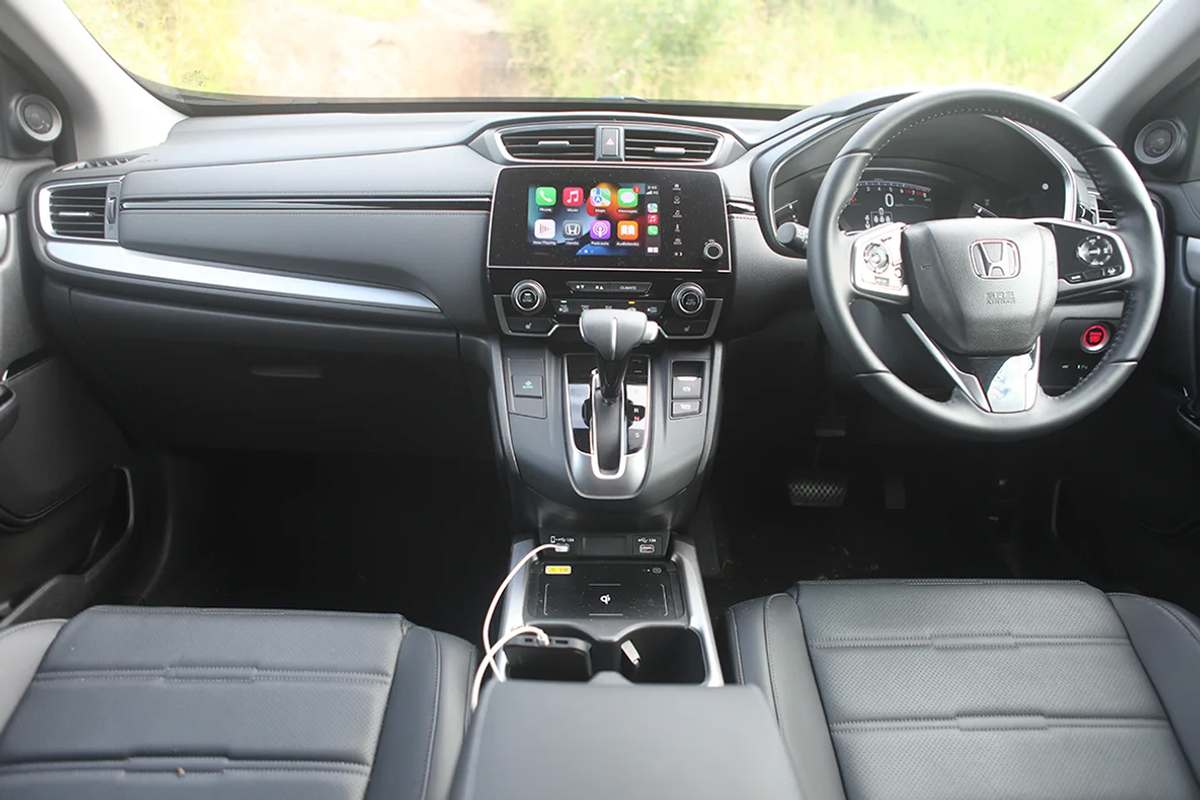
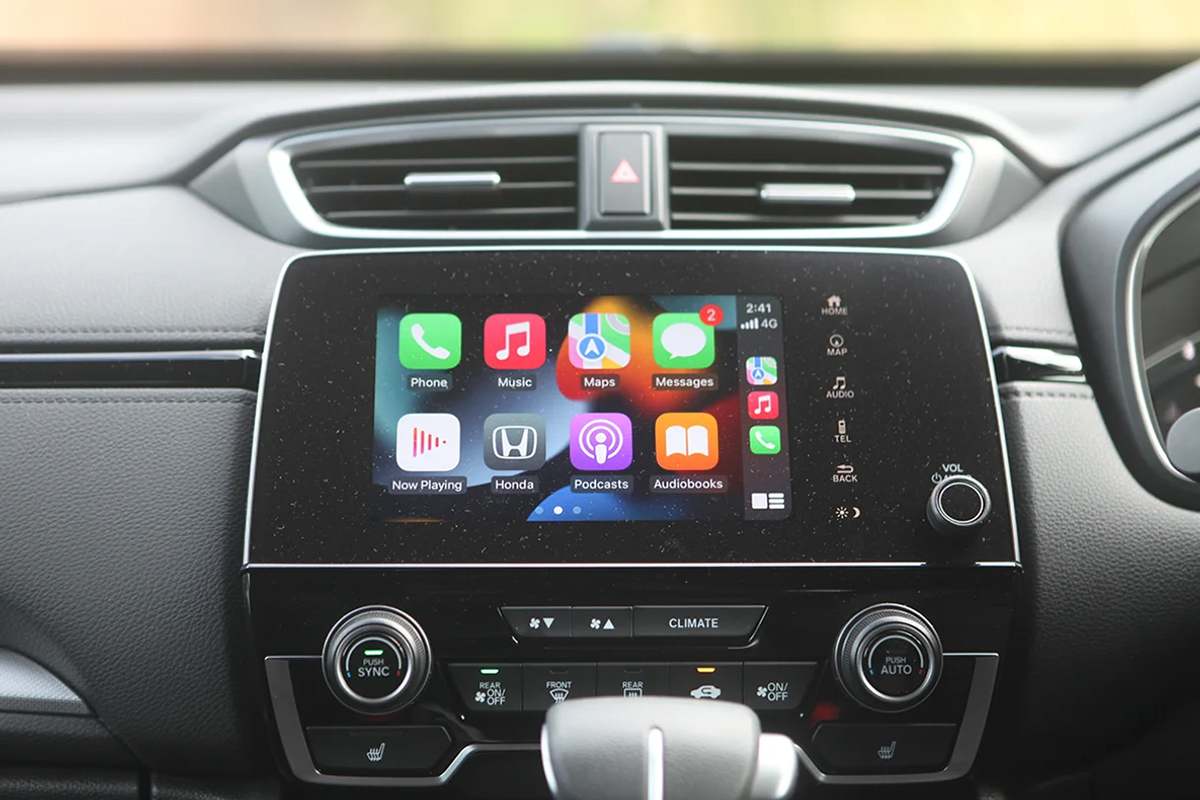
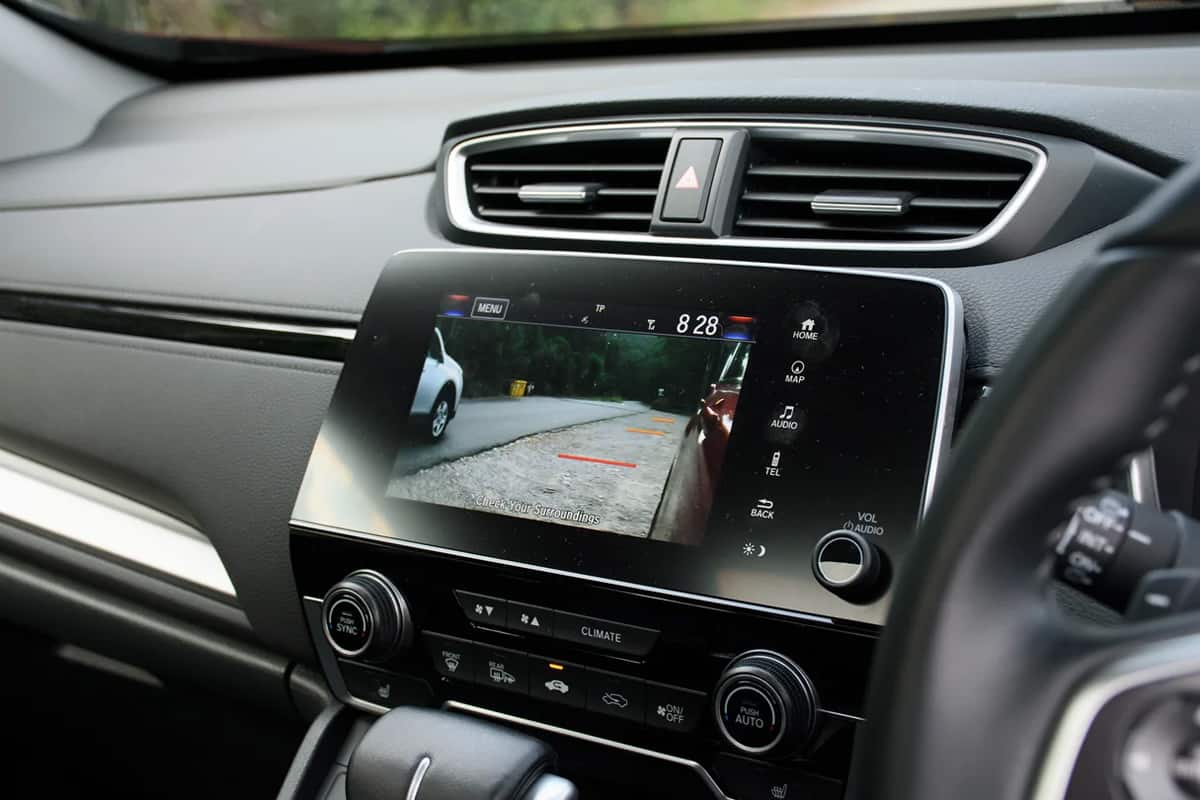
Safety was good in line with Honda’s reputation, with side-curtain airbags for every outboard seat, stability control and anti-lock brakes. Every model apart from the Vi and VTi also got a camera-augmented safety system which offered a camera view down each side of the vehicle.
But if you wanted adaptive cruise, lane-departure warning, and lane-keeping assistance you needed to stump up for the VTi-LX. Although from early January 2019 onwards, the AWD VTi-S version was also fitted with the latter as standard.
Honda CR-V Reliability
Honda reliability was once the envy of other makers. But the creep of technology and the need to chase efficiency meant Honda had been forced to adopt technology like turbochargers and CVTs when, previously, it went its own way tech-wise.
The upshot is these new technologies have their inbuilt reliability concerns, and even though Honda’s landmark cars often used some pretty serious engineering, they were never built down to a price as is more common today.
The bottom line is these Honda CR-Vs are better than average in terms of their build quality and durability, but equally, modern technology carries a maintenance and, potentially, a long-term reliability cost.
Honda CR-V Problems
Like a lot of cars sold globally, Australian-delivered CR-Vs seem to have an easier time than in some markets where conditions are more extreme (mainly colder). That said, our typical ambient summer temperatures are a pretty good test of any car.
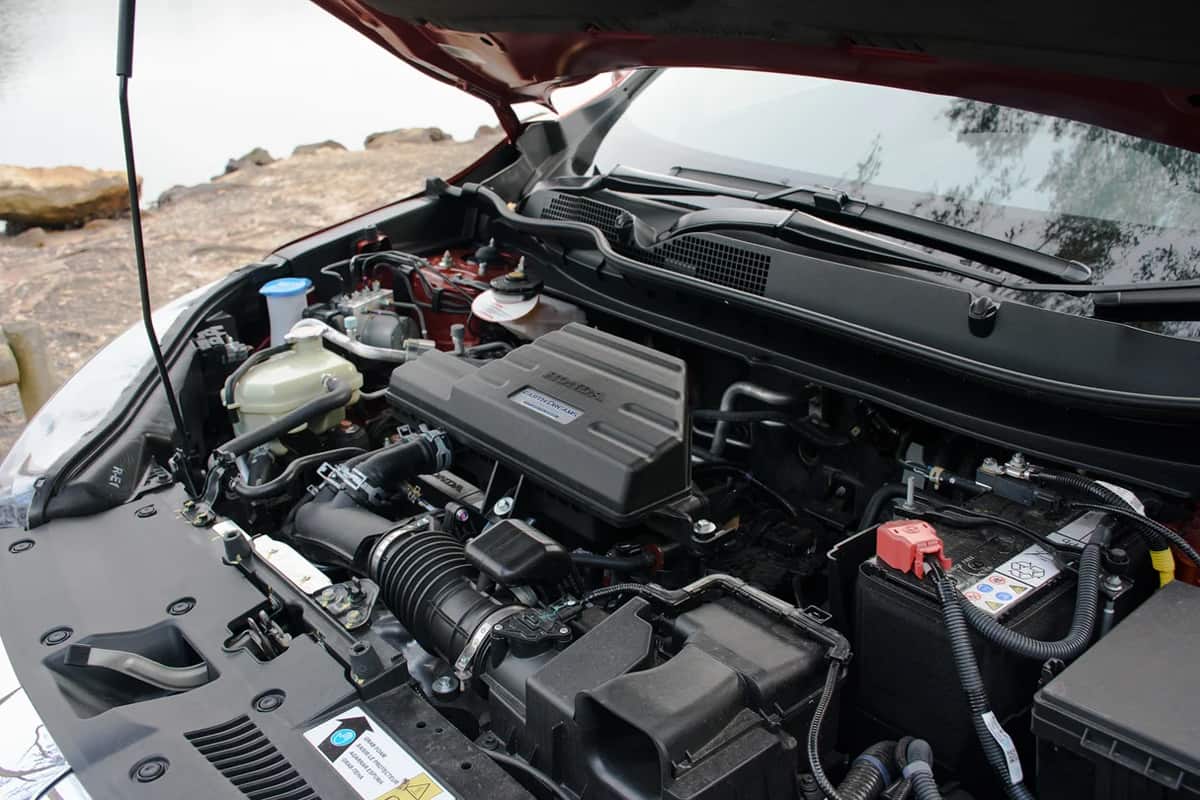
In any case, one of the biggest problems with the then-new turbocharged 1.5-litre engine was a tendency to dilute the engine’s lubricating oil with petrol. This can cause damage to the engine’s internals.
But it’s worth noting that it seems more widespread in cars operated in very cold conditions over short distances. Even so, it’s worth a check, and the first thing to do is withdraw the engine’s dipstick and have a good sniff. If the oil smells of petrol, you may have a dilution problem that needs to be investigated further.
Also, like a lot of modern, direct-injected, turbocharged engines the Honda’s is not immune to turbocharger failure or injector problems and premature injector wear. The turbo engine has also shown a habit of eating head gaskets and while it’s not widespread, it would still be worth an independent inspection of any second-hand CR-V you’re considering.
And like any car, any example’s chances of going the distance rely heavily on how it’s been serviced. Small, intricate oilways in the Honda’s engine mean skipping oil changes is a big no-no. So check that service book closely.
We’ve also heard of CVT failures, but the Honda is no worse than any other manufacturer in this regard. Many mechanics and engineers reckon any CVT is a risk.
Honda CR-V Recall
This generation CR-V has been relatively free of safety recalls, but there has been a handful to check out.
The first is for a fuel pump that could fail and allow the car to stall wherever it happened to be at the time. Affected cars were built between 2018 and 2020.
The second was a bit weird and relates to dealer-fitted window tint that was often applied when the car was bought brand-new. Despite the tint being Honda-approved, it turned out to – in some cases – too dark to be legal. Dealers were stripping the tint and refunding the cost.
You can check out the details by visiting https://www.vehiclerecalls.gov.au/, while a Honda dealership should be able to tell you if your car is one of the affected ones and whether the recall has been attended to.
Honda CR-V Years to Avoid
Your choice of CR-V should be dictated by whether you need seven seats and AWD or not. And then don’t be fooled into buying more CR-V than you need.
But the one model we’d pass on in principle would be the entry-level Vi version with its breathless, low-tech 2.0-litre engine.
It has meagre performance and completely misses out on the techno-sparkle that has helped make Hondas what they have been over the years.
Honda CR-V How Many Kilometres
Like many modern used cars, buyers are a bit frightened over what happens to them when they rack up serious mileages. That’s probably why values of the CR-V (and many others) take a nosedive as soon as the magic 100,000km mark has been reached.
The reality, though, is that a well maintained (which is most of them) CR-V is capable of racking up easily twice that number and still have life left in it. Just make sure you pay the appropriate price for the kilometres on board.
Honda CR-V Best Model
On the basis that there are better seven-seaters out there, and that the AWD system does not infer any off-road ability, the smart buy would seem to be a front-drive CR-V with the 1.5-litre turbo engine.
The exception would be if you regularly travel on gravel roads or are an annual visitor to the snowfields, at which point the AWD platform comes into the reckoning.
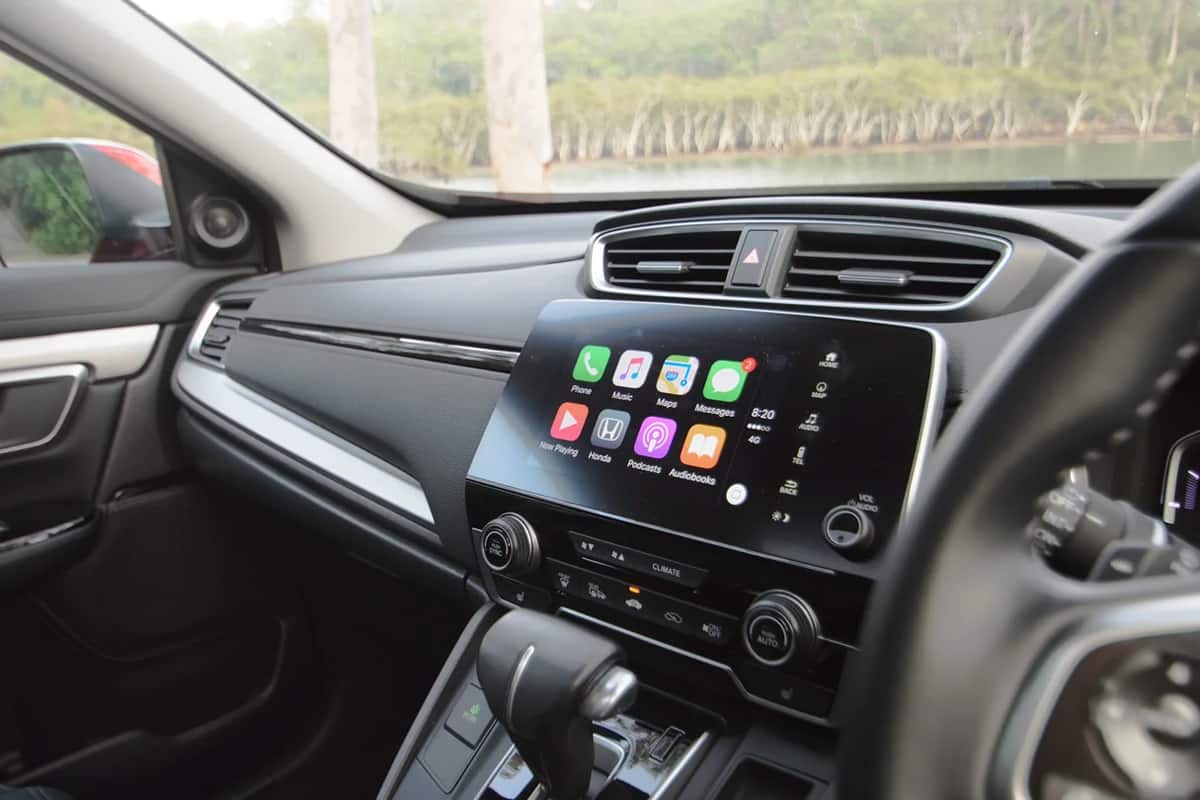
Specification-wise, the best CR-V is the highest trim level you can afford as this endows the car with more safety and convenience gear.
Honda CR-V Resale Value
Prices start at around the mid-20s for a Vi with moderate (less than 80,000) kilometres showing. Unless you need the AWD for unsealed country roads, the best value is probably in the VTi variant at closer to, oddly, about the same price-point for a car with a few more – say, 100,000km – on the odometer. The best buying in seven-seat CR-Vs seems to be around the high-20s to low-30s with less than 80,000km showing.
For reasons known only to Honda buyers, the asking price seems to drop pretty quickly once the psychological barrier of 100,000km on the odometer is breached. Use that to your advantage when doing the deal.
Honda CR-V Parts
Honda once had 106 dealerships across Australia, but with its move to a new retailing method a handful of years ago that has shrunk back to about 90. The good news is a lot of those service centres are located in regional areas. But because the Honda brand has such a devoted following here and elsewhere there are plenty of dedicated Honda specialist workshops dotted around the country, although mainly in metropolitan areas.
Parts supply is not a problem and the global appeal of the brand means there are lots and lots of online sellers with the repair and service bits and pieces you’re likely to need. The Honda brand is also extremely well served globally by an enthusiast aftermarket selling high-performance parts.
Honda CR-V Sales
Honda sold roughly 5000 CR-Vs of this model per year, so there’s no shortage of used examples out there. A quick online search revealed around some websites had more than 400 RW CR-Vs for sale. The majority are five-seaters in either front or all-wheel drive, although the seven-seater is well represented, too.
The one you’ll find more difficult to locate is the entry-level, 2.0-litre, non-turbocharged Vi variant and for good reason.
Verdict
The RW series of Honda CR-Vs offer lots of depth in terms of specification and mechanical layout. While the 1.5-litre engine is a much more modern unit, the CVT auto is less appealing to many buyers. The 2.0-litre versions, meanwhile, is sufficiently off the pace for it to be ignored.
While later Hondas such as this one perhaps lack the individuality and personality of some older designs, there’s still enough quality in evidence to place the CR-V ahead of some of its competition, particularly a lot of the contemporary Chinese makes and models. But is that enough?