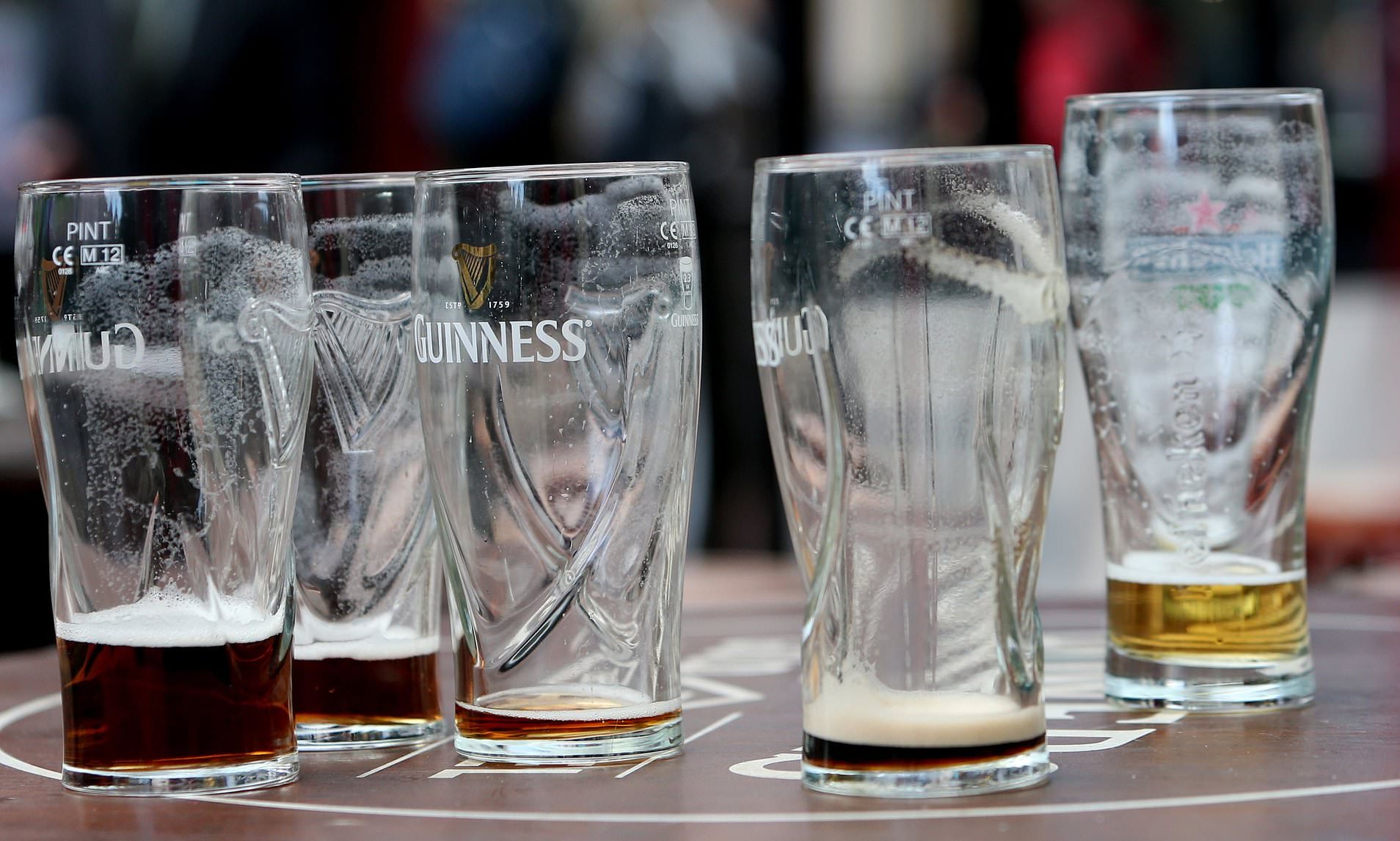
Decline in Alcohol-Related Deaths
Alcohol-related deaths in the UK have reached their lowest level since 2021, with a notable decrease in the number of fatalities reported in 2024. According to data from the Office for National Statistics (ONS), there were 9,809 alcohol-related deaths in 2024, which is 664 fewer than the previous year. This equates to a rate of 14.8 deaths per 100,000 people, marking the lowest rate since 2020. This represents a significant drop compared to the record high of 15.9 deaths per 100,000 people in 2023.
Matt Lambert, CEO of the Portman Group, an alcohol trade body, highlighted that this decline is partly attributed to the widespread abstention by Gen-Z individuals, who are aged between 14 and 29. He noted that these statistics align with a broader trend across generations towards increased moderation and responsible drinking.
“Our annual YouGov survey results show a clear and sustained shift in drinking attitudes among Gen-Z, with 43 per cent now identifying as non-drinkers, up significantly from 2020,” he said. “At the same time, low and no alcohol products are no longer seen as niche. Affordability and the ability to socialise without drinking excessively are key drivers behind this shift.”
Rise in Low and No Alcohol Sales
Separate data from the British Beer and Pub Association indicates that sales of no- and low-alcohol beer, wines, and spirits have surged by 870 per cent since 2013. Nine out of ten pubs now offer at least one zero per cent option.
Sarah Holland, drinks buyer at Waitrose, mentioned that the supermarket’s ‘low and no’ category experienced a ‘significant surge’ last summer. She explained that the “sober curious” movement is growing, showing a trend towards well-being-focused drinking that doesn’t compromise on flavor or social connection.
“This shift is undoubtedly driven by the increasing availability of premium non-alcoholic beverages that offer the same complexity and enjoyment as their alcoholic counterparts,” she added.
Regional Disparities and Ongoing Concerns
Despite the overall decline, experts emphasize that deaths from alcohol, such as those caused by alcoholic liver disease, still need to be reduced further. Scotland and Northern Ireland continue to have the highest rates in the UK, with 20.9 and 21.4 deaths per 100,000 people respectively. In England, the North East region had the highest rate at 21.1 deaths per 100,000, followed by the North West with 16.8 and the West Midlands with 16.5. London recorded the lowest rate at 10.9 deaths per 100,000, followed by the East of England (11.0) and the South East (11.1).
Karen Tyrell, CEO at alcohol charity Drinkaware, stated that while trends towards moderation are positive, more than eight million adults across the UK still regularly drink above the Chief Medical Officers’ low-risk guidelines of 14 units a week.
Dr Katherine Severi, chief executive at the Institute of Alcohol Studies, emphasized that alcohol deaths remain at a deeply unacceptable level. She warned that it is not acceptable for these levels to become normal.
“Alcohol deaths were unacceptably high before the pandemic. They rose sharply during it. A modest reduction is not cause for complacency – it is cause for redoubling efforts,” she said.
Calls for Government Action
Professor Sir Ian Gilmore, chairman at the Alcohol Health Alliance, noted that deaths “remain far too high.” He stressed that alcohol harm continues to devastate thousands of families and communities every year.
Dr Richard Piper, chief executive of Alcohol Change UK, called for the Government to take action on cheap, high-strength drinks. He pointed out that behind these figures are real families.
“A drop in alcohol-specific deaths is good news but must not lull any of us, including the Government, into a false sense of security about alcohol harm in the UK,” he said.
“While the Government has ambitious national plans to tackle issues like smoking and cancer, it’s falling short on meaningful policies to prevent alcohol harm. This needs to change.”