The Unlikely Acquisition of Everlane by Shein
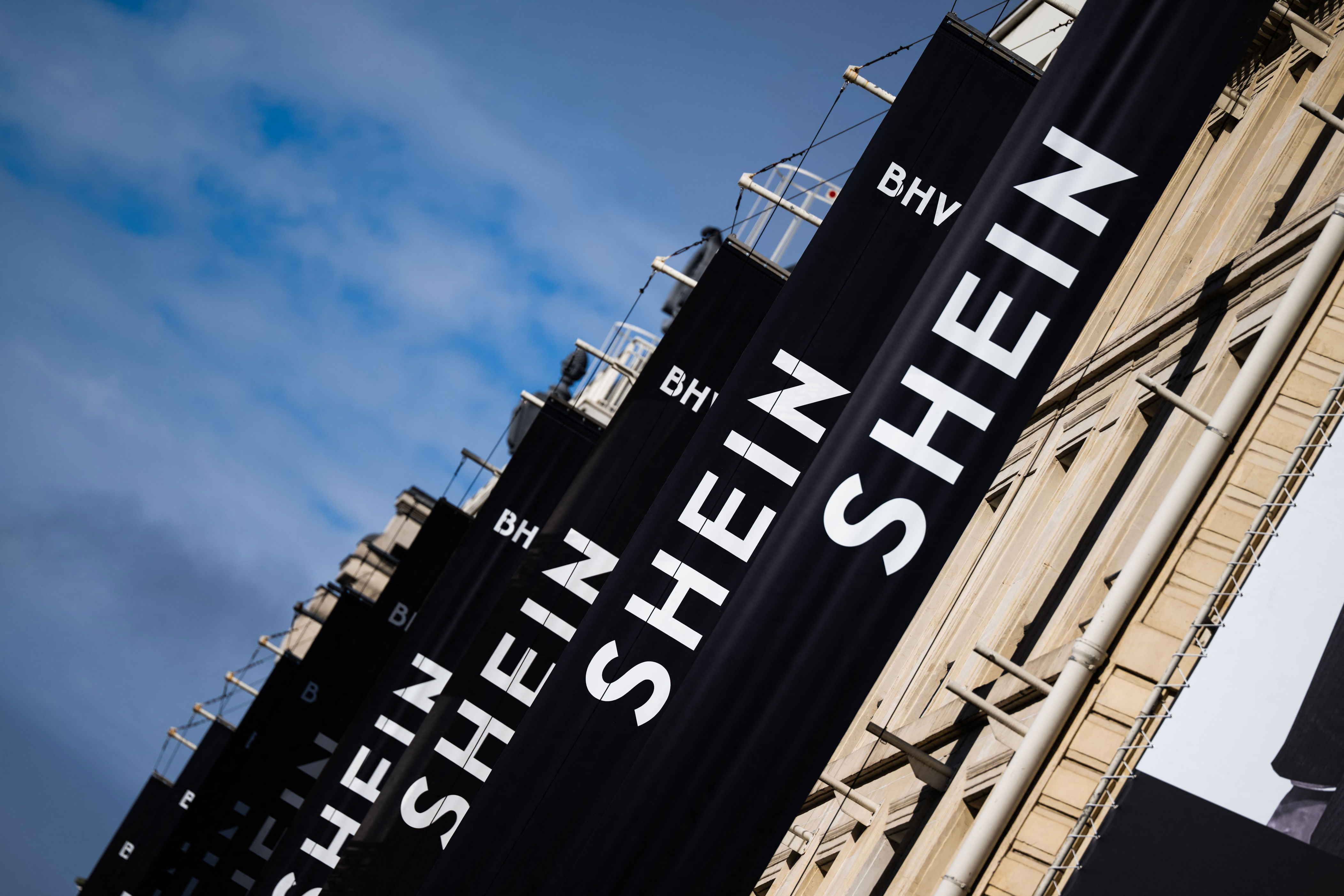
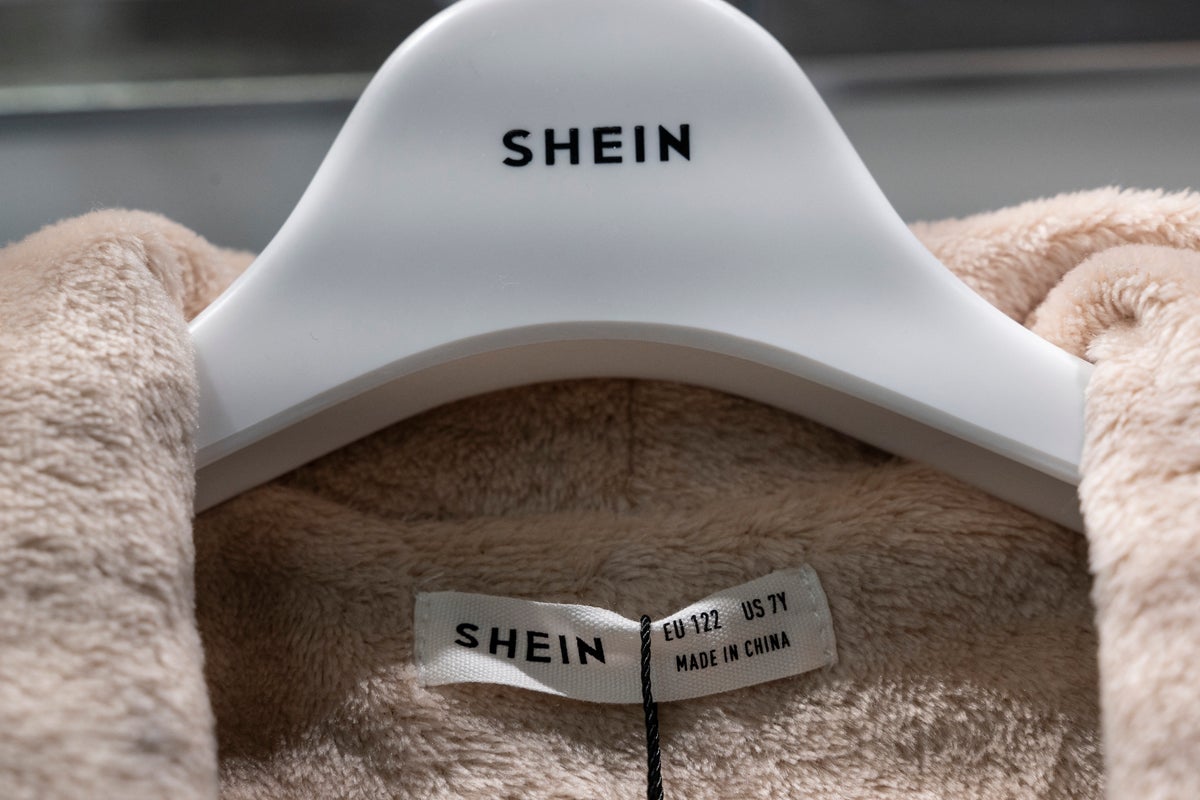
In a deal that has sparked considerable debate, Shein — the Chinese ultra-fast-fashion giant known for its affordable and mass-produced clothing — has reportedly acquired sustainable apparel brand Everlane for $100 million. This acquisition has been likened to “SeaWorld buying PETA” due to the stark contrast between the two brands. Everlane was built on the foundation of being an ethical alternative to fast fashion, while Shein has long faced criticism over its labor practices, environmental impact, and relentless production model.
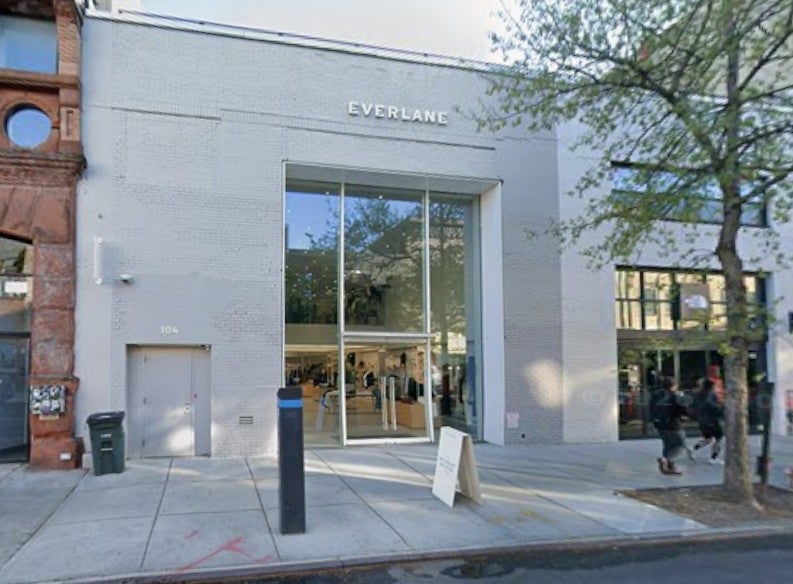
Everlane’s website still highlights its sustainability commitments, including pledges to cut greenhouse gas emissions and achieve net-zero emissions by 2050. Founded in San Francisco in 2011, the brand quickly gained a loyal following for its minimalist basics and “radical transparency” philosophy. It offered detailed insights into how its products were made and their production costs, presenting itself as a kind of fashion utopia far removed from the typical fast-fashion cycle.
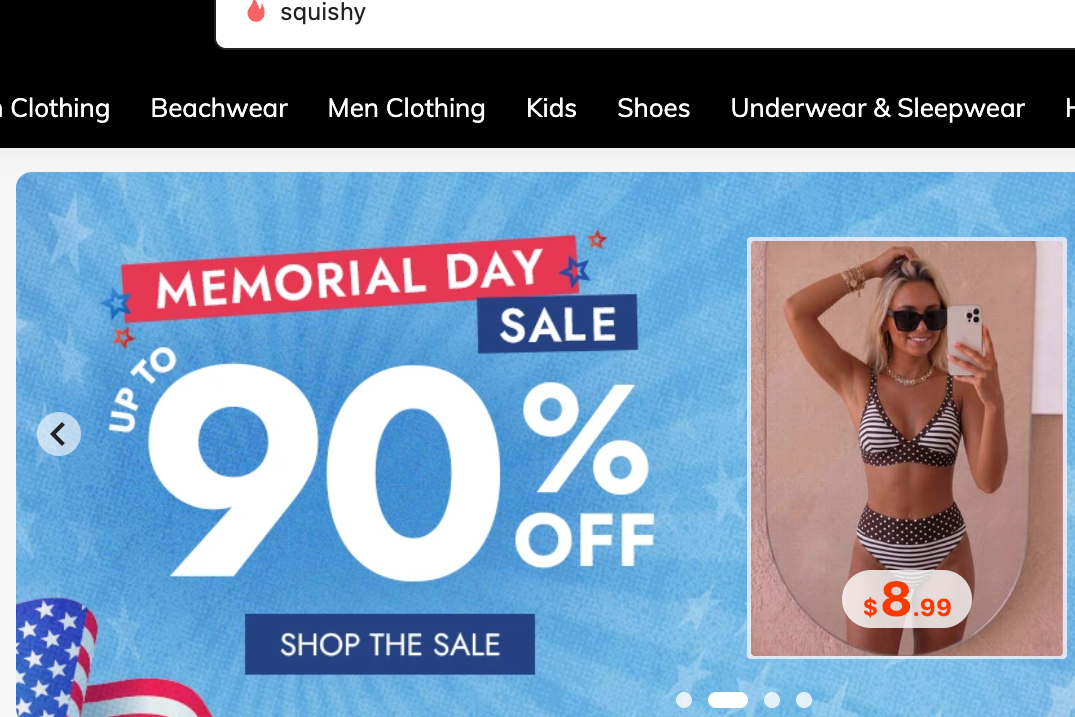
Shein, on the other hand, is often seen as one of the industry’s biggest polluters. It produces around 1 billion items per day, with approximately 450,000 products available at any given time. According to the Synthetics Anonymous 2.0 report, its reliance on virgin polyester and oil-intensive manufacturing results in carbon emissions comparable to about 180 coal-fired power plants, leaving an estimated 6.3 million tons of CO2 each year.
So why would Everlane agree to be absorbed by such a company? Reports suggest that Everlane had accumulated around $90 million in debt, struggling with post-pandemic demand shifts, rising costs, and competition from other ethical retailers. The sale price of $100 million is expected to largely go toward settling liabilities, with shareholders unlikely to receive anything.
A Strategic Move for Shein?
According to branding expert Camille Moore, Shein is leveraging this acquisition to tap into the quiet luxury movement. Quiet luxury emphasizes high-quality craftsmanship over flashy logos or displays of wealth, which has been Everlane’s forte through selling premium yet affordable cotton T-shirts and linen trousers. By acquiring Everlane, Shein could be aiming to revamp its image and access a wider consumer base.
Amrita Bhasin, a retail sustainability expert, agrees that the acquisition represents Shein’s attempt to diversify its image. She notes that while many Americans associate Shein with a first-fashion Chinese company, purchasing a San Francisco-based climate-conscious brand allows Shein to appear more diverse and appeal to a more affluent, premium consumer base.
However, the move raises questions about the future of Everlane under Shein. Experts like Hannah Teschler Dunning argue that consumers have grown skeptical of corporate environmental claims. Sustainability, once a key selling point, has become commodified and greenwashed, leading many shoppers to question its true value.
The Changing Landscape of Ethical Fashion
The challenges faced by DTC (direct-to-consumer) retailers highlight the difficulties of competing with companies built on wholesale distribution or large-scale mass production models. In recent years, several brands from Everlane’s era of clothing optimism have struggled. For example, Allbirds, known for its ethical sneakers, recently rebranded as NewBird AI, while Outdoor Voices closed stores and laid off staff after years of instability.
Despite these challenges, some brands have managed to thrive. Quince, a San Francisco-based DTC clothing brand founded in 2018, has adopted a similar business model to Everlane but with a more subtle approach to its environmental pledges. Quince has managed to outpace Everlane due to its lower prices, with a box-cut tee costing $16 compared to $38 at Everlane.
Teschler Dunning argues that consumers are increasingly unwilling to pay premium prices for ethical branding, especially during times of economic uncertainty. She believes that sustainability is no longer a strong selling point for many shoppers, who are less concerned about corporate environmental claims.
The Future of Everlane Under Shein
The acquisition of Everlane by Shein raises concerns about the future of the brand. Many believe that Everlane’s former eco-friendly pledges may be compromised under Shein’s ownership. Bhasin argues that the onus should be on the retailer, not the consumer, to make sustainable choices.
This deal has shocked industry observers and fashion insiders alike. While it may seem unthinkable for Shein to absorb a brand that opposed its very practices, the contradiction reflects the evolving attitudes of modern consumers. Everlane emerged during a time when shoppers believed their purchases could reflect their values, but today, many are less convinced.
As Everlane moves forward under Shein, the question remains: will it maintain its commitment to sustainability, or will it be overshadowed by the fast-fashion giant’s practices?