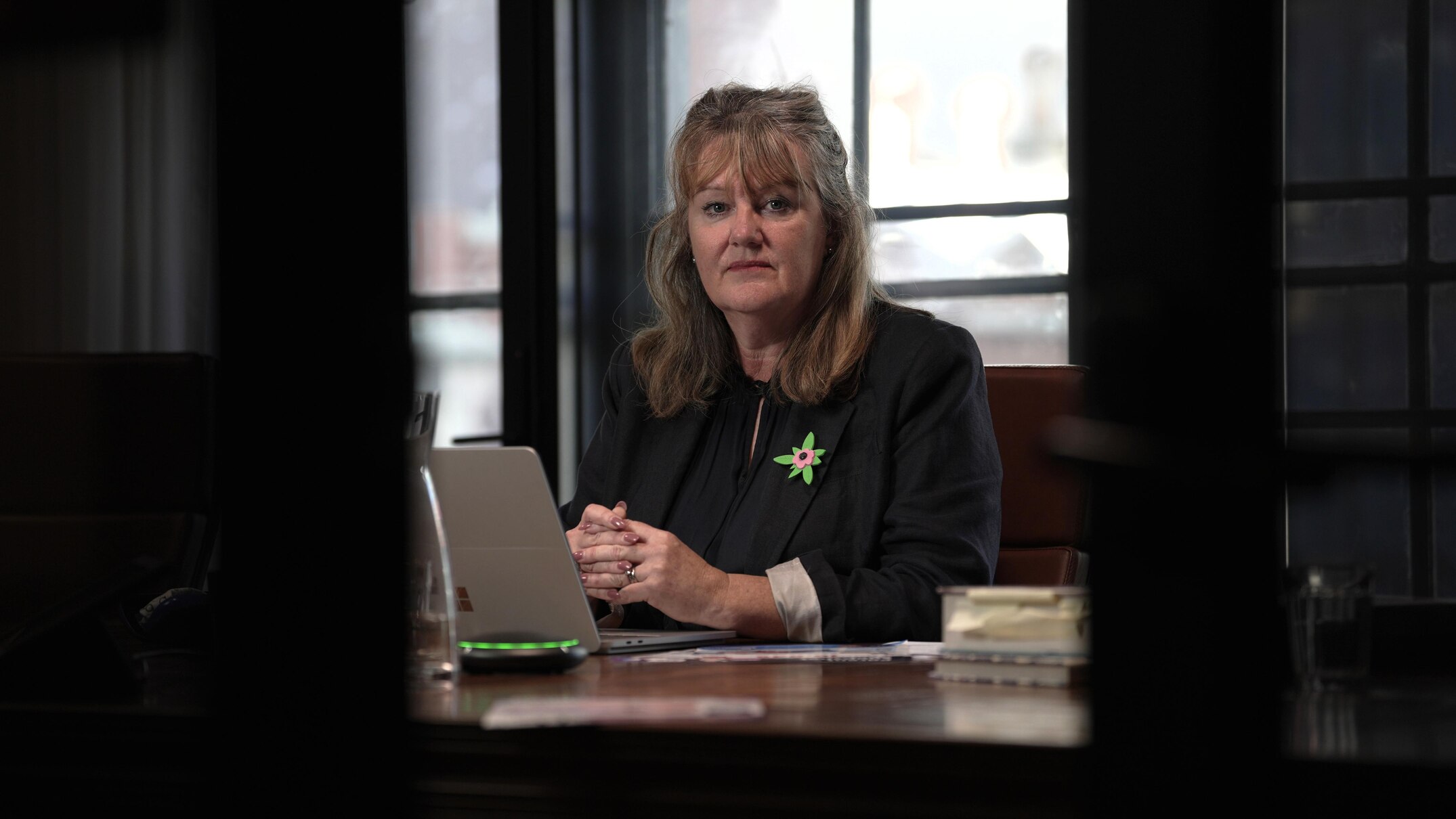
The Mental Health Crisis Among Australian Parents
A recent national survey has revealed that nearly 60 per cent of Australian parents are experiencing psychological distress, with significant effects on their children. This alarming statistic comes from the Parenting Today survey, which involved over 10,000 parents and was conducted by the not-for-profit Parenting Research Centre.
The findings highlight a growing concern about the mental health of parents across all demographics. According to Dr Catherine Wade from the Parenting Research Centre, 12 per cent of Australian parents are reporting clinical levels of depression and anxiety, while 45 per cent are experiencing moderate levels of psychological distress.
Dr Wade noted that there has been a steady decline in parent mental health over the past decade, and these struggles are “universal” and not limited to any particular gender or income group. She emphasized that when parents feel under pressure, they are less likely to engage in the parenting behaviors that help children thrive, often leading to irritability and frustration.
The Impact of Parental Stress on Children
The stress experienced by parents is not just an individual issue but has broader implications for the well-being of children and society as a whole. Former US surgeon general Vivek Murthy recently declared modern parental stress an “urgent public health issue,” directly linking it to the wellbeing of children and the health of society.
Gold Coast mother of four, Sylvia Doughty, shared her personal experience of the challenges faced by parents. She described feeling exhausted and in “survival mode all the time,” which makes it difficult to be emotionally available for her children. Doughty also mentioned the added pressure of cost-of-living concerns, which have forced her family to cut back on small treats and even undertake renovations to save money.
The Role of Social Media and Perfectionism
Melbourne mother Nicole Tandy echoed similar sentiments, highlighting the unrealistic expectations placed on parents by social media. She noted that while she loves being a parent, the constant portrayal of perfect parenting online makes it hard to cope with the daily grind. Tandy admitted that she often feels guilty for not living up to these idealized standards.
The survey findings also resonate with the current record-low birth rate in Australia, which stands at 1.5 babies per woman. Experts suggest that the challenges faced by parents are contributing to this decline, which could have significant consequences for the country’s future.
Addressing the Root Causes
Australian National University demographer Liz Allen pointed out that parents are having fewer children not necessarily because they want to, but due to concerns about housing affordability, economic security, gender equality, and climate change. She criticized the idea that community-based programs alone can solve the problem, arguing that structural changes and government action are needed.
Allen called for a rethinking of financial supports for families and what work looks like, emphasizing the need for systemic change rather than relying on community efforts.
Practical Solutions and Support Programs
While long-term changes may take time, the Parenting Research Centre (PRC) suggests that there are relatively cheap solutions available now. Dr Wade highlighted the importance of self-compassion and community-based peer support programs in alleviating psychological distress.
She pointed to the MyTime program, which connects parents and carers of children with disabilities or additional needs. This initiative helps reduce feelings of loneliness and builds hope and optimism among parents.
The PRC also offers other evidence-based programs such as Smalltalk, which provides practical parenting tips for families with children under three years old. Additionally, the Raising Children Network website offers support for parents across various age groups, from babies to teenagers.
A Call for Kindness and Realistic Expectations
Dr Wade hopes that the survey will bring attention to the importance of parental wellbeing and the need to challenge unrealistic expectations of perfect parenting. She encourages parents to be kind to themselves and recognize that it’s okay to make mistakes.
By fostering a more compassionate approach to parenting, the hope is that parents can find ways to manage their stress and create a healthier environment for their children.