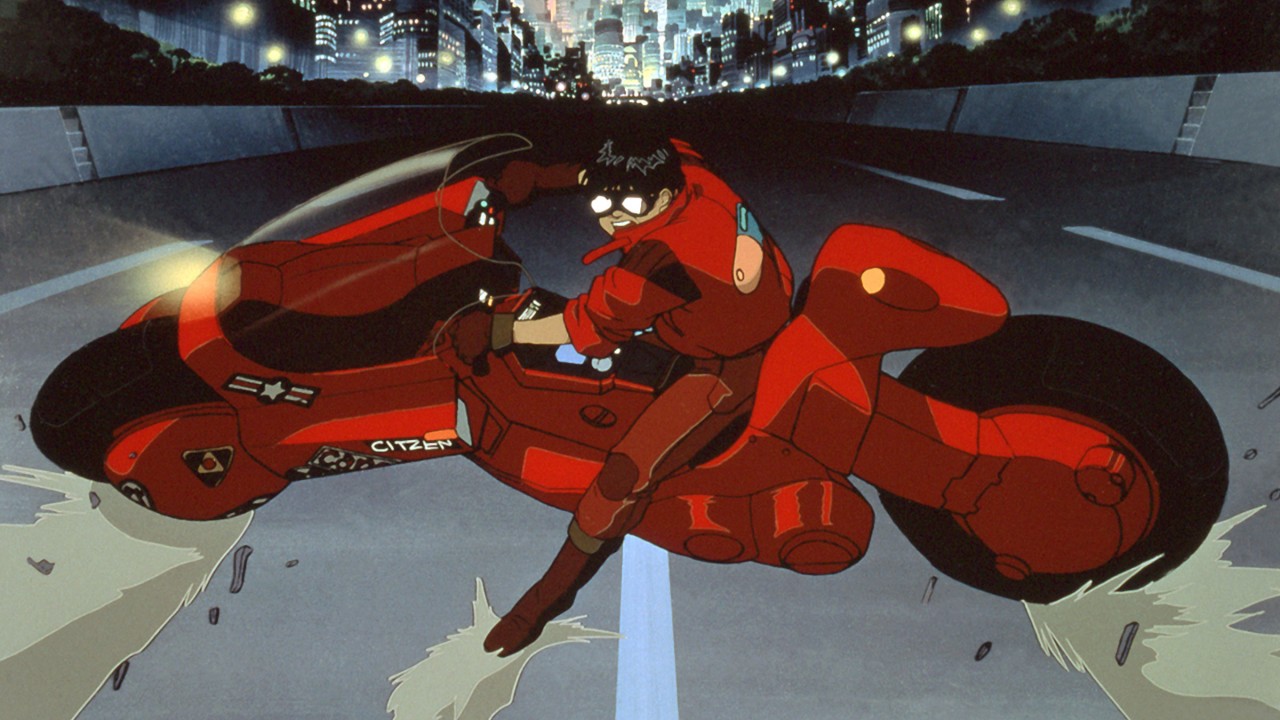
The Influence of Akira on Cyberpunk and Popular Culture
In 1988, Katsuhiro Otomo made a significant impact on the world of animation with his cyberpunk film ‘Akira.’ This movie not only shaped an entire generation but also served as inspiration for one of the most popular Netflix series, ‘Stranger Things.’ The film is set in a dystopian metropolis known as Neo Tokyo, which acts as the backdrop for events involving political conflicts, vigilantism, and warfare. Most importantly, the film effectively captured the anxiety of the Cold War era, and here’s how!
Espers’ Existence Mirrors a Horrifying Reality
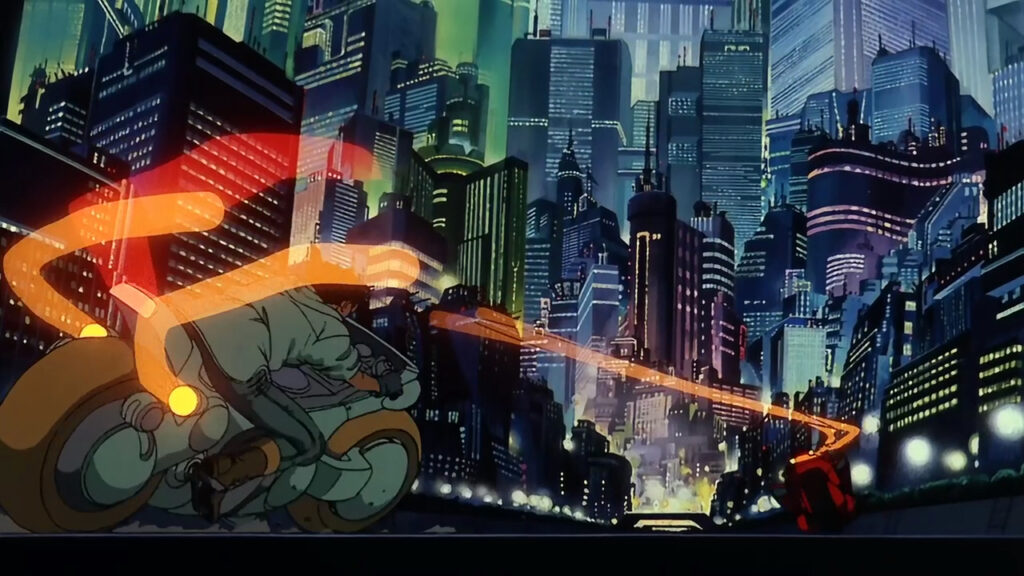
Set in 2019, ‘Akira’ takes place in Neo Tokyo, a city that was once destroyed in 1988 by a psychic force known as Akira. This very force is an Esper, an individual with extrasensory perception. These beings are considered to be the pinnacle of human evolution.
However, their story is far from positive. They are not adults but adolescent children who are reduced to puppets by the government. These children were subjects of experiments conducted by the Japan Self-Defense Forces. Due to constant exposure to these experiments, they age rapidly, appearing as frail 80-year-old individuals.
This aspect of the film is unsettling and deeply disturbing. It draws parallels to real-life events such as Project MKUltra, a program conducted by the US during the Cold War. This project involved mind control experiments on unwilling subjects by the CIA.
It is only during Akira’s destruction that we see the Espers for who they truly are. They symbolize lost childhood and innocence, manipulated by a corrupt and morally bankrupt government. The destruction is also linked to the resistance and growing vigilantism in Katsuhiro Otomo’s movie.
Resistance and Vigilantism in Katsuhiro Otomo’s Opus

A significant portion of the Cold War anxiety is reflected in the themes of vigilantism and resistance. People actively protest and reject the government’s stance. They seek to uncover the truth behind the experiments that ultimately led to the destruction of Neo Tokyo. This represents the collapse seen in cyberpunk stories, where ethics are dismantled, leading to societal destruction.
In this context, the government, as an institution of order, suppresses human agency while keeping Akira’s dangerous nature a secret. Vigilantism in Otomo’s film is not driven by random groups of people but by a shared interest. It serves as a move towards a peaceful society.
While the government spread fear about Akira being a nuclear weapon, Kaneda and a few others saw it for what it actually was. Shikishima, too, is a challenge to the system that seeks to consume them. He is the military leader of the self-defense forces but understands the Espers and comprehends the reality. His character rejects and refutes the sabotaging actions of both the government and scientists.
He is another figure of resistance who actively protests the wrongs. This occurred at a time when countries boasted about their military capabilities.
The End of an Era and the Beginning of Hope
In conclusion, the collapse destroyed Neo Tokyo, dreams, innocence, childhood, and innocent civilians. However, Kaneda’s ride into the sunset reflects a new era and a new beginning of hope. It underlines his survival of a horrifying apocalypse that took his friends’ lives. The end scene revives hope and reiterates the start of a new era and a new society.