A Long Wait Comes to an End
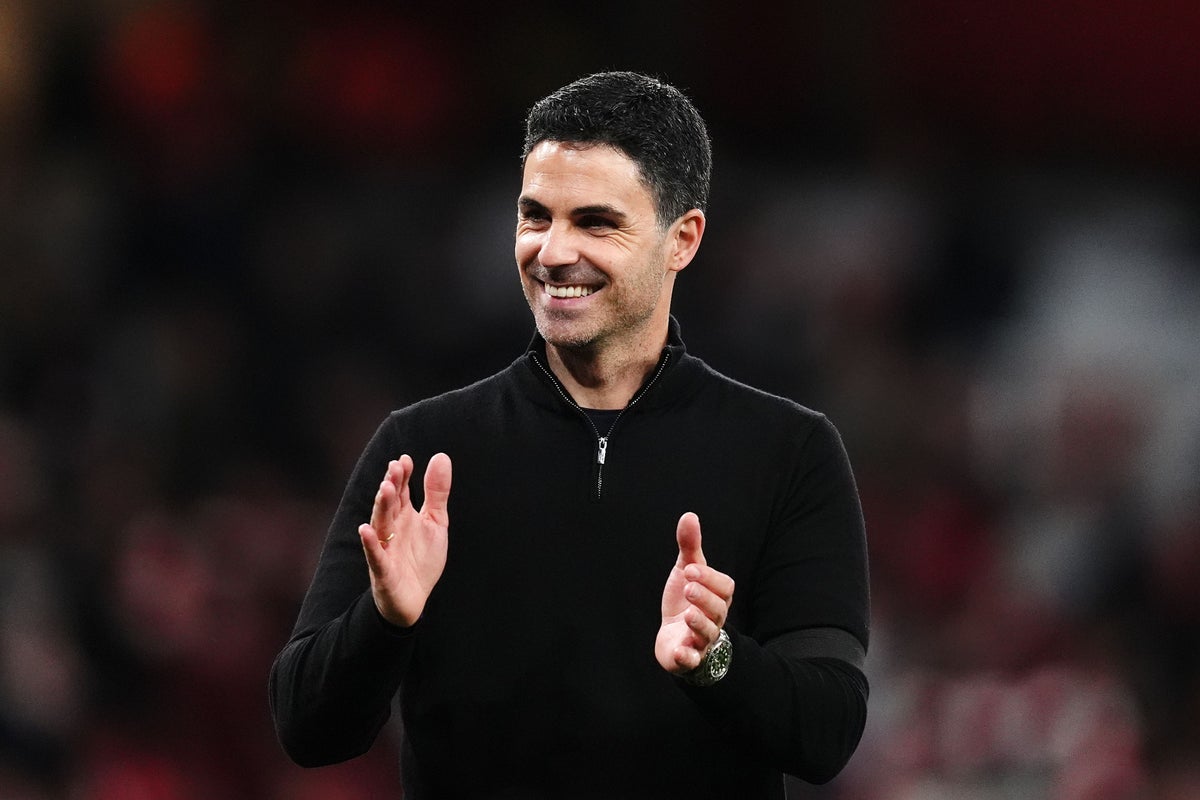
As Mikel Arteta finally gets to savour the moment, he will be repeating a few words he couldn’t help ruminate on throughout the season. “Twenty-two years,” he’d say to anyone listening. “Twenty-two years. It’s far too long for a club like Arsenal.”
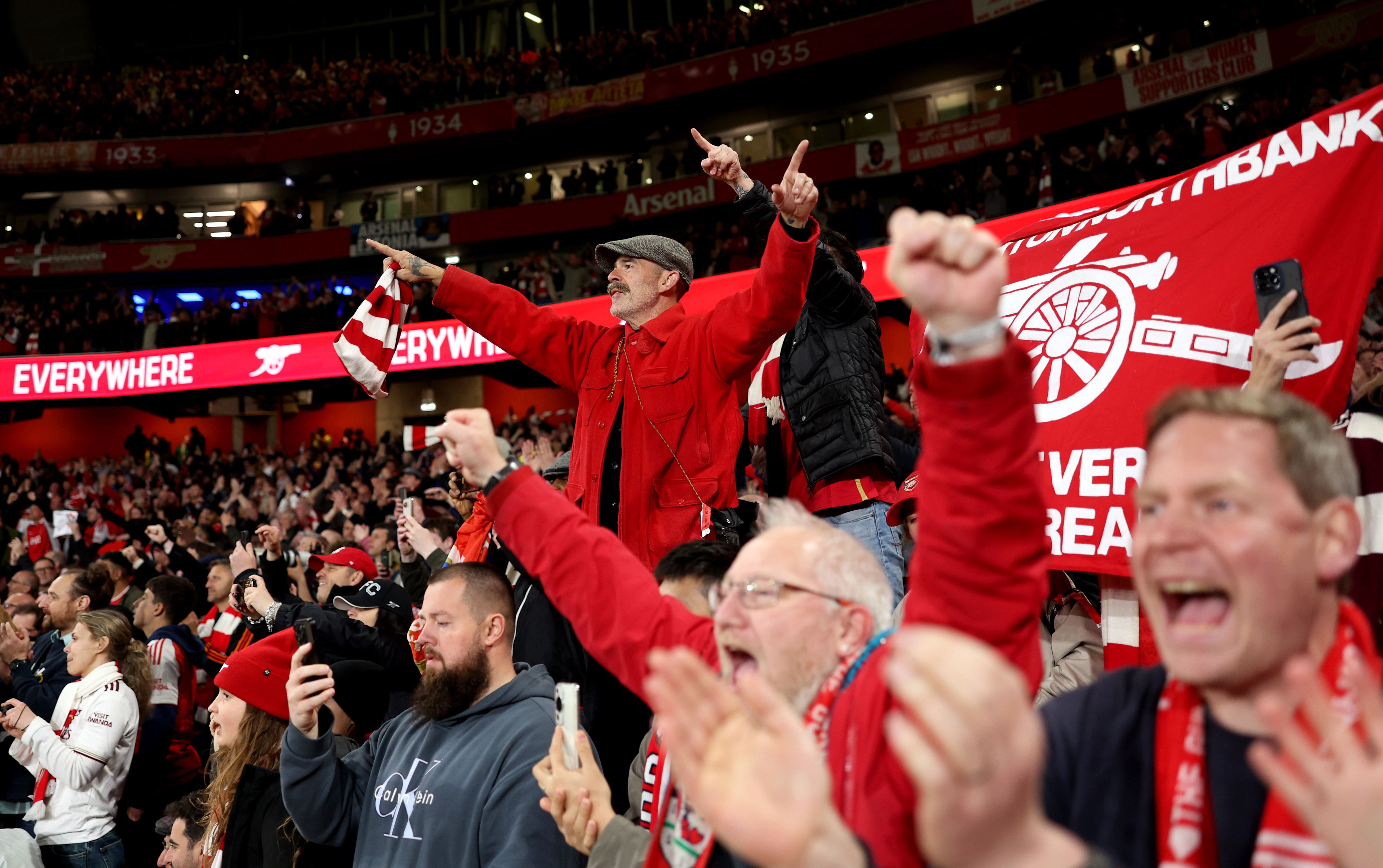
And now, after so much angst and frustration from the length of that very wait, Arteta and his squad can at last say it’s over. On Sunday, he will lift the Premier League trophy, the club’s first title since 2004 and 14th in all.
The Basque, for his part, was more conscious than anyone of the effects of that wait. He could sense it through the season, that sudden danger when everything looked like slipping away in the manner that so many people expected.
If there has been one great virtue of Arsenal’s campaign, it is how Arteta has managed that; how he ensured the team stayed in control. That was occasionally rather fragile. There were at least four major moments of emotional crisis, when Arteta felt he had to intervene. The trick was always to get the players to look at it from a new perspective, to remember they’d rather be in this situation than not.
It is testament to their resilience, which was so often doubted. And yet there was a crucial moment when one of the players had to get Arteta himself to look at it all anew.
A Crucial Moment of Reflection
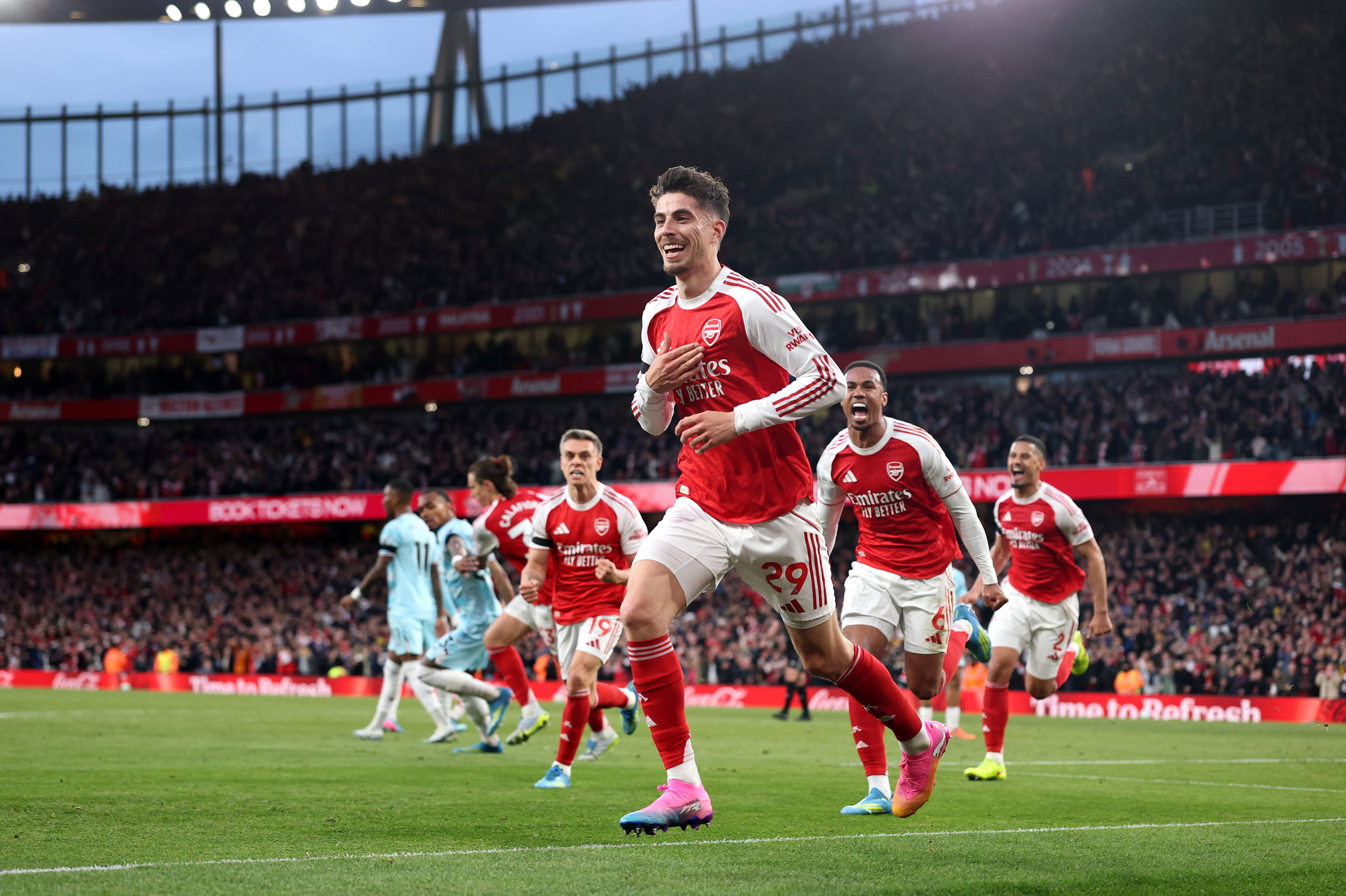
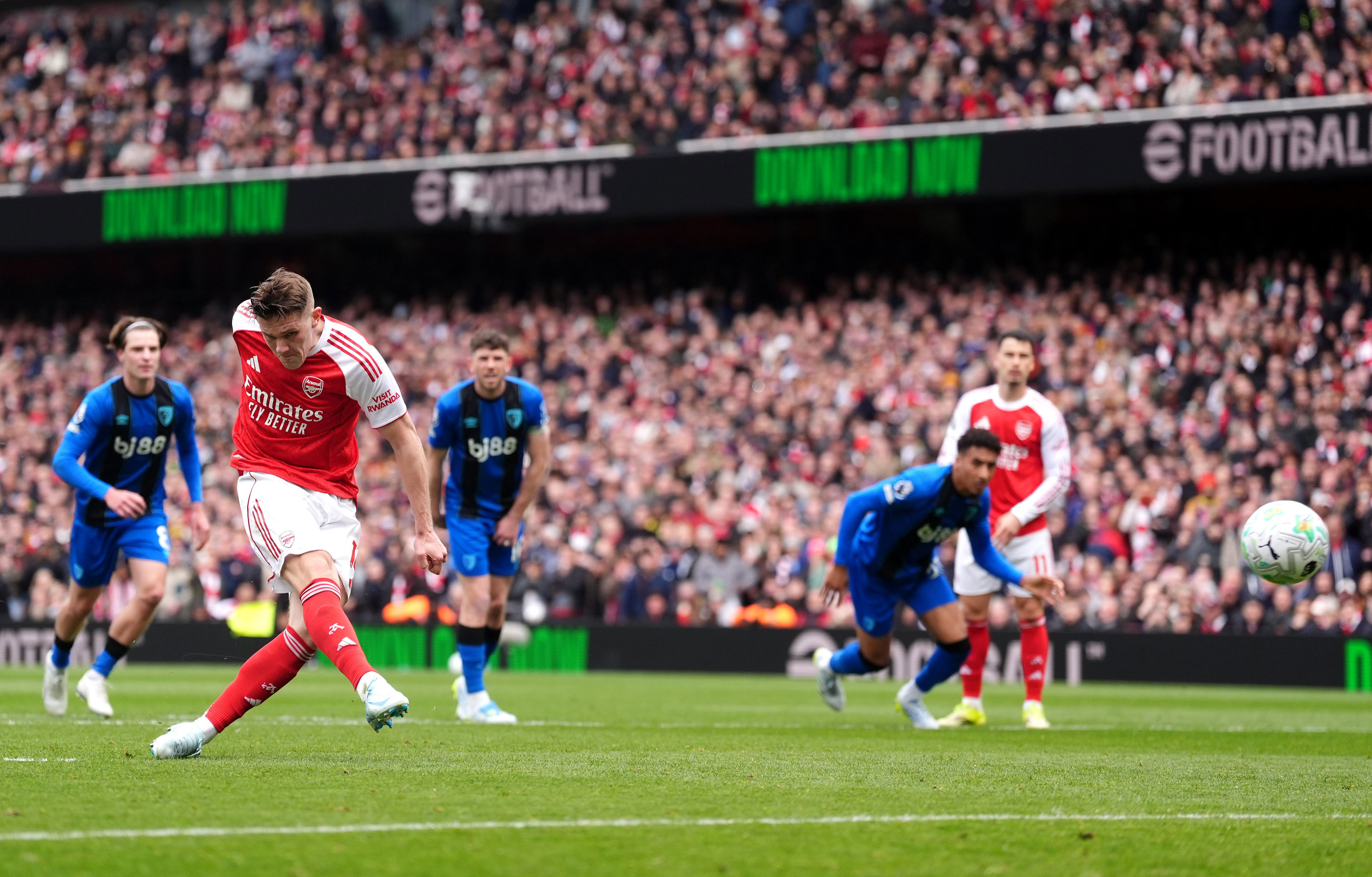
The days after the 2-1 home defeat to Bournemouth were probably the worst of the campaign, all the more so because it was before that huge trip to Manchester City that had been weighing over the team for months; the great nemesis that had to be overcome.
A growing problem at that point was not just psychological, though. It was physical. Arsenal’s players looked and felt exhausted. That was partly because of the schedule, but also Arteta’s own training demands. The Basque’s response to any setback was to work even harder on the training ground. It was an ethic that could be construed as admirable in other circumstances, but not with finely tuned athletes. The effects could be seen in the injury crises endured every April.
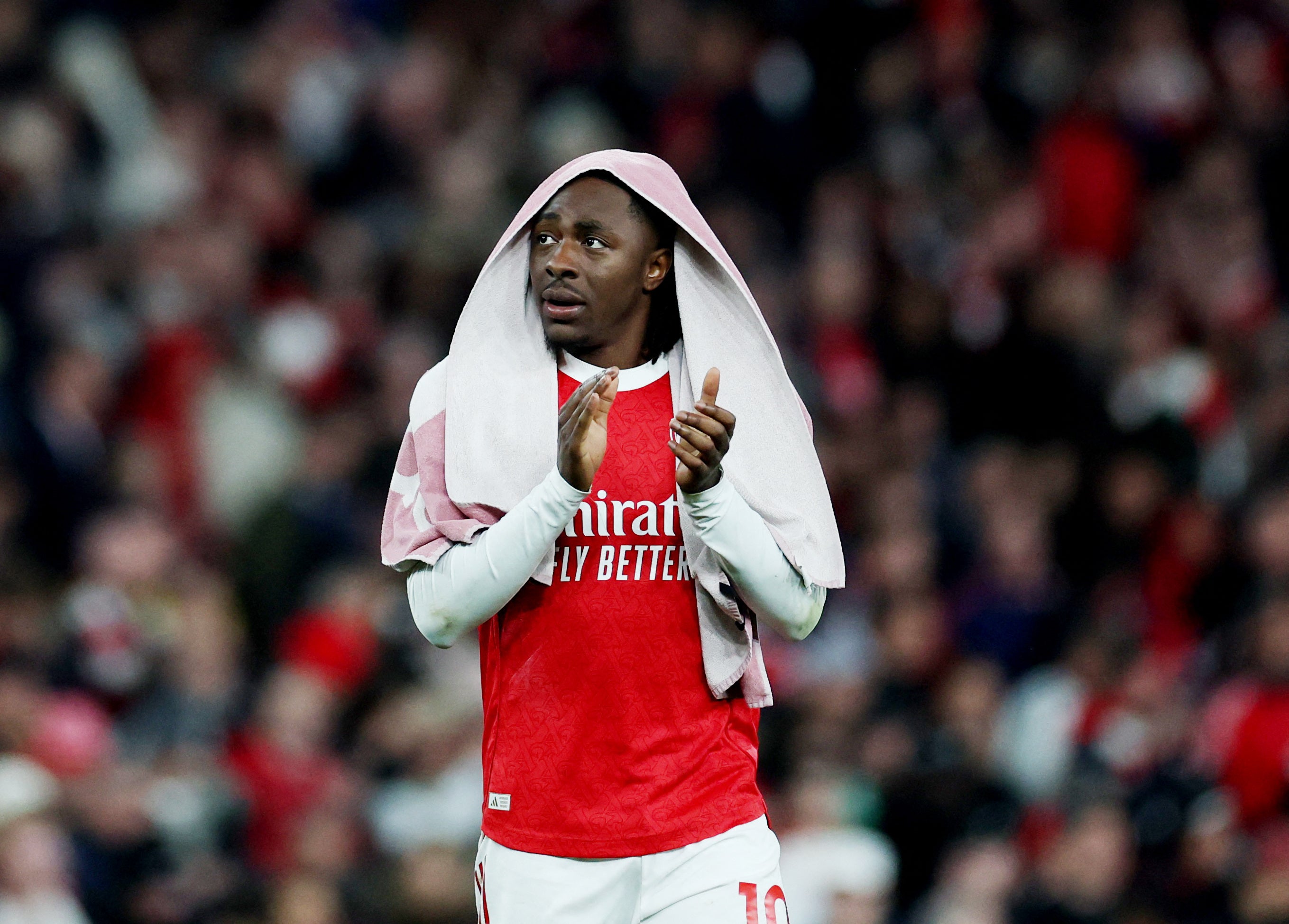
So, Eberechi Eze, one of the newer players who was also among the most laid-back, went up to his boss. In so many words, he told Arteta, we can do this, but we need a bit of space.
The manager listened.
Adjustments and New Approaches
Days off were increased. The intensity of training sessions was lightened. In the week before they claimed the title, he gave them three days off followed by a barbecue. At the training ground, Arteta also insisted on “cutting out all the noise” by turning off any sports channels or news. They were replaced by music from the 90s and early 2000s – coincidentally, when they were last winning leagues.
These might sound like mundane details but they are genuinely the unseen elements that make the difference between reclaiming such titles and not. That’s especially true when you play as deep “within the margins” as Arsenal.
There is of course a bigger debate to be had about the aesthetics and style of the new champions, as well as the wider influence on the game. The story is still ultimately one of control, though, of a manager seeking to maximise the effect of everything at his disposal.
That might not have always felt true in terms of the expansiveness of attack, but it ensured that Arsenal were the most rounded team in the game. And hence, the new champions.
Strategic Planning and Financial Constraints
It also plays into a theme that isn’t too popular given the general debate around Arsenal, but remains emphatically true: this is still a story of overperformance; of beating a much wealthier opponent through careful planning and strategy. City’s wage bill from the last accounts was still £80m more than Arsenal’s – in other words, five Bukayo Sakas.
That depth has an effect, so Arteta had to cut his cloth in different ways. He sat with the then football leadership of Tim Lewis and Andrea Berta and devised ways to achieve advantages, both in play and in squad profile.
It was from this that the focus on set-pieces and physical robustness came. Arteta could see which way the game was evolving, and admittedly furthered it. Oleksandr Zinchenko was moved on because he didn’t have that size.
The new approach could also be seen from the summer business. Arteta has gone into some deep places after previous second-place finishes – bad memories which make this all the more of a release – but such lows usually evolved into the manager deeply thinking about what could be improved.
Key Moments and Resilience
The most obvious one from 2024-25 was squad depth, and the effect of injuries. Aware of how demanding the new calendar was, Arteta realised he needed back-up in every position. There was a brief early consideration over whether they should just get Alexander Isak, and the outline of a potential package was presented to them. Arteta did love the Swede. It was just too much money for a forward of whom there were doubts over his ability to sustain performance in two-game weeks. That decision was ultimately vindicated.
It also afforded Arteta another advantage that he always longed for. That was to be able to go to a game with the opposition having no idea what configuration of players he would use. Hence he would always play games around injuries, often instructing club media not to mention or photograph returning players.
For all the devices, though, this title victory was ultimately about thinking about everything as deeply as possible; of seeking to “control every element of a game”, according to one source. That even extended to training at the Emirates pitch so they could use the stands to get their pressing lines right.
Final Push and Triumph
Arteta is described as “a probabilities guy” and he essentially knew that if Arsenal created around 2.0 xG a game while keeping the opposition down to 0.5 and keeping clean sheets, while being able to score set-pieces, they would go some way to securing the points needed to win the title.
All of that did feed into a campaign that often felt methodical, even laborious. There were only brief moments when Arsenal had the spark of 2022-23. Those defending Arteta would say he did what he needed.
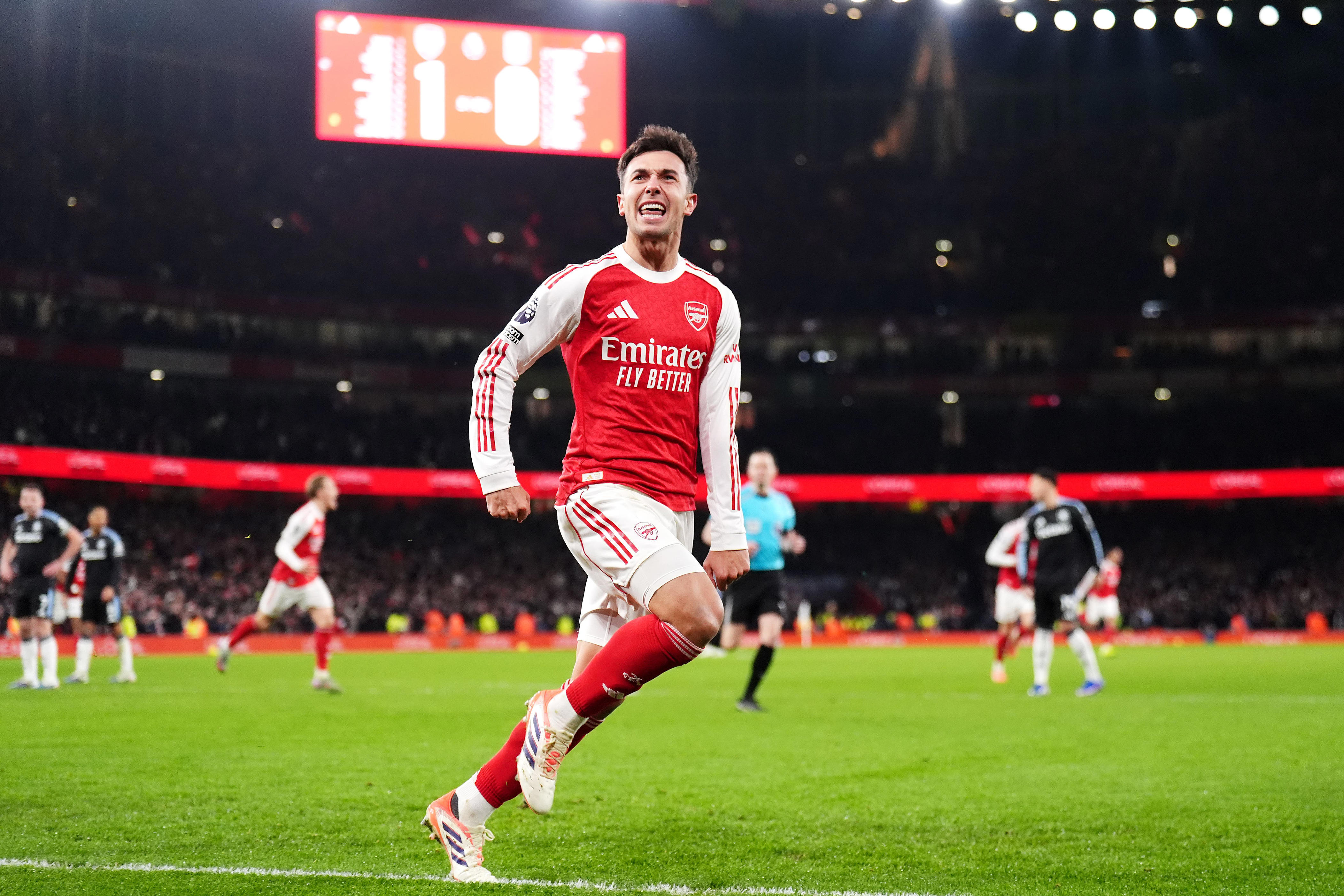
And yet, amid so much process, there were still some key moments when the team just had to produce. One was the late 2-1 comeback away to Newcastle United at the end of September, which many of the squad felt was crucial in setting a marker. It also set a tone in Gabriel scoring the winner from a set-piece. That would happen again.
Another was the 4-1 victory over Aston Villa at Christmas, which Arteta felt produced their best spell of football of the entire season. The players were even singing “set-piece again, ole ole” in the dressing room.