A New Chapter for John Travolta
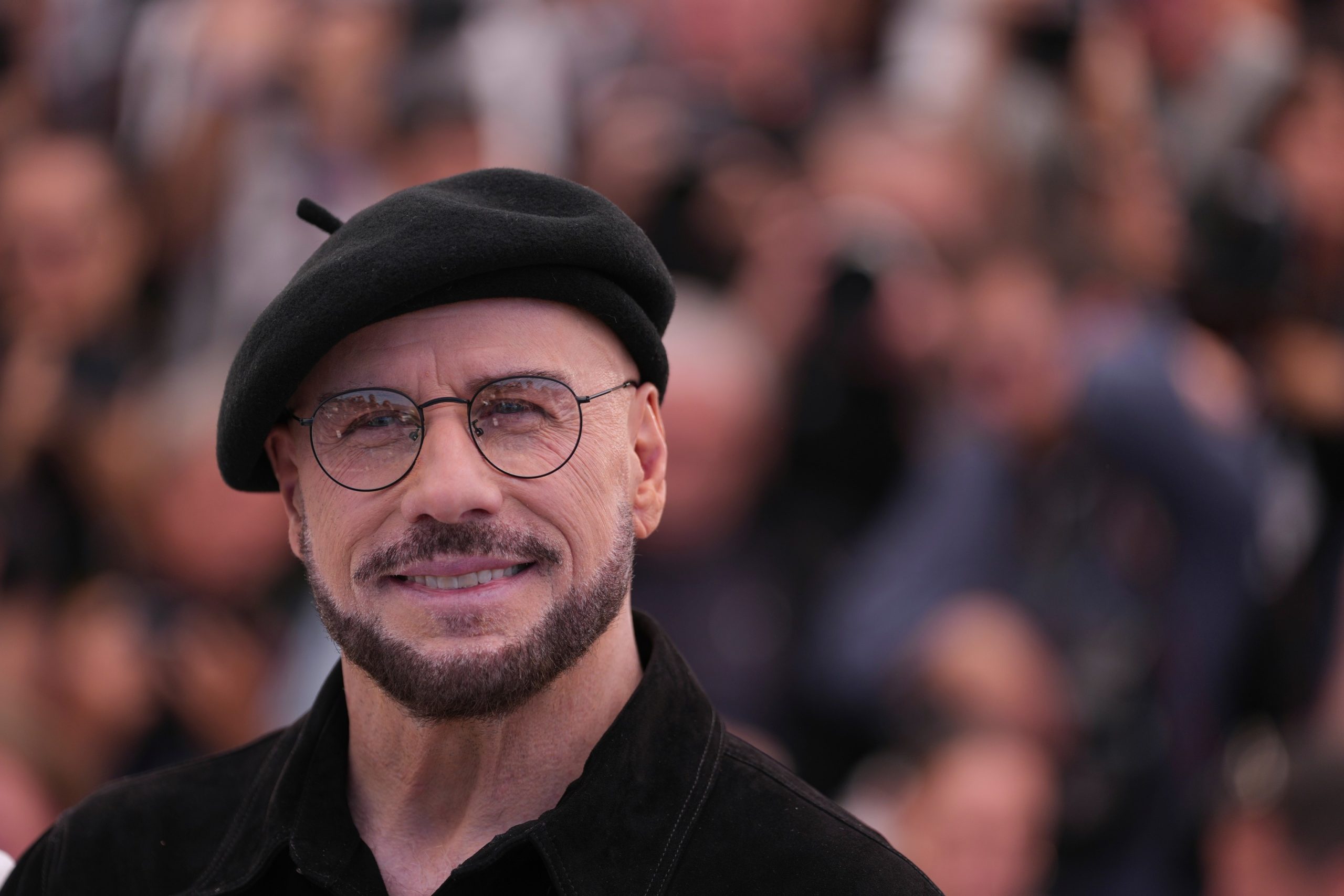
John Travolta made a memorable appearance at the Cannes Film Festival, where he presented his directorial debut, Come Fly with Me. The film, which premiered on Apple TV on May 29, left him with an unexpected honor—the honorary Palme d’Or. During a press meeting at the Croisette hotel, Travolta reflected on the golden age of Hollywood, his childhood, and his deep passion for aviation.
The room was adorned with a large photograph of Uma Thurman, adding another layer of meaning to the setting. As the actor who brought to life iconic characters like Danny Zuko, Tony Manero, and Vincent Vega, Travolta now adds filmmaker to his list of achievements. His one-hour film is more than just a plane journey; it’s a nostalgic trip down memory lane, celebrating a time when smoking was common and aviation was a symbol of freedom.
Aviation: A Lifelong Passion
Travolta’s love for flying began in his early years. “I was five years old,” he recalls. “We lived near airports in New Jersey, and I would watch planes take off from my backyard. They passed just 600 meters above my head.” He remembers the sound of the planes, the sight of TWA, Eastern, or United, and the spectacle of night flights. “I used to wonder who was on those planes and how they felt while flying.”
His passion for aviation has been a constant in his life. Recently, the Cannes Film Festival surprised him with the honorary Palme d’Or, a recognition that deeply moved him. “The tears were real,” he said, recalling the emotion of being honored in the temple of auteur cinema.
The Making of Come Fly with Me
The film Come Fly with Me is based on a book that Travolta wrote during the height of his career. “I wrote it in 10 days while staying in a hotel in Maine,” he explained. “I was stuck due to fog and spent the nights writing, pouring my childhood memories into the story.” He believes that the spirit of the child he once was is present in the film.
Travolta also shared insights into his creative process. When asked about what scares him most—flying, writing, or directing—he responded, “I wouldn’t call it fear. I’ve seen many filmmakers make great movies, and I’ve learned from their mistakes.” He emphasized that directing was exhausting but not difficult, as he approached it with passion and experience.
Family and Inspiration
The film features Travolta’s daughter, Ella Bleu Travolta, who plays a significant role. “A star has been born,” he said proudly. “I designed plans to introduce her to the world as one would with Audrey Hepburn, Liz Taylor, or Grace Kelly. She lives up to it.”
The character of Kelly Eviston-Quinnett is inspired by his mother, highlighting the personal touch in the film. Travolta also mentioned the influence of classic Hollywood, noting that the golden age of commercial aviation and Hollywood ran parallel. “There are 32 masterpieces of music in the film, and half of them are soundtracks from that era,” he said.
The Evolution of Cinema and Flying
Travolta expressed nostalgia for the past, particularly the romantic elements of flying. “I miss the food cart, the closed trays, and even smoking on planes,” he said. “The mix of tobacco smell and cordon bleu chicken baking let me know I was on a plane.”
He also reflected on how current cinema compares to the golden age. “The golden age of cinema used music better than we do today,” he noted. “They understood the coordination between image and sound. Music creates between 50 and 70 percent of the magic of a movie.”
Influences and Future Directions
Travolta cited directors like Fellini, Bergman, and Lelouch as his inspirations. “When I saw Black Orpheus, I didn’t know it had won the Palme d’Or, but the music and samba seemed magical to me,” he said. He also mentioned the influence of A Man and a Woman by Claude Lelouch, which fascinated him with its romantic music.
When asked if this new directorial venture was a whim or a new direction, Travolta replied, “If I were to do it again, I would have to be equally inspired. When you’re completely inspired, like Quentin Tarantino in Pulp Fiction, it’s not a job—it’s your drive.”
Legacy and Recognition
Despite his long career, Travolta admitted he never stopped to think about his legacy in cinema. “I wouldn’t know what it is,” he said. “In fact, I only became aware of something similar when I received the Palme d’Or. Cannes makes you feel important.”