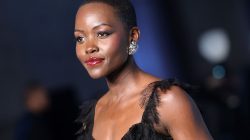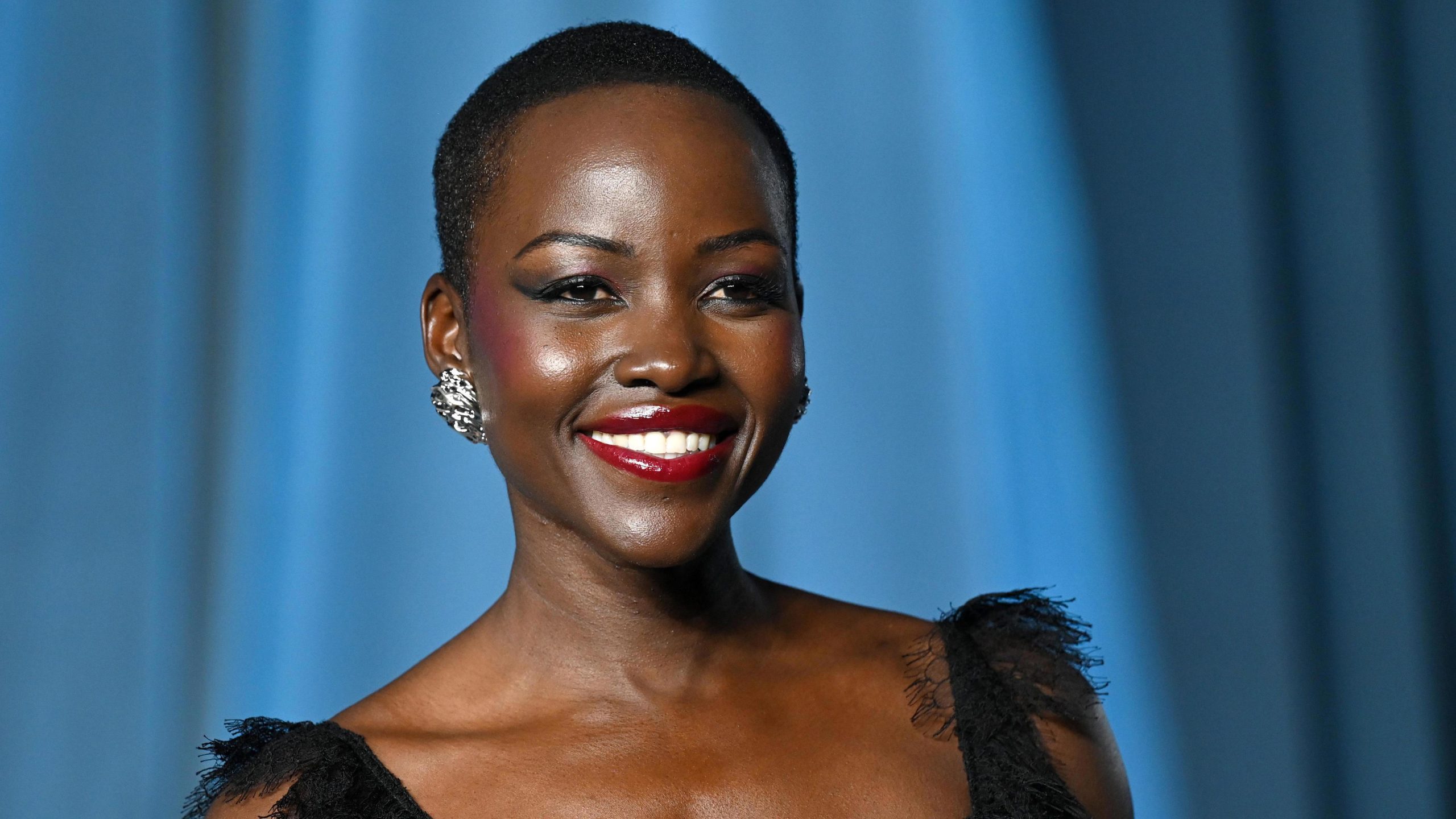
Actress Lupita Nyong’o has addressed the backlash she has faced over her casting as Helen of Troy in Christopher Nolan’s upcoming film, The Odyssey. She emphasized that the story is “a mythological tale” and urged critics to focus on the narrative rather than the representation.
In Homer’s ancient Greek legend, Helen of Troy is known for her beauty, which “launched a thousand ships” and led to the Trojan War. Nyong’o will portray this iconic character in the film, which has sparked significant controversy. Critics, including Elon Musk, have questioned the decision to cast a Black actress in the role, arguing it misrepresents the original source material.
Speaking to Elle, Nyong’o expressed her support for director Christopher Nolan’s vision. “I’m very supportive of Chris’s intention with it and with the version of this story that he is telling. Our cast is representative of the world,” she said. She added that she does not intend to engage with the criticism, noting that it will persist regardless of her response.
Nyong’o also highlighted the significance of being part of The Odyssey. “It’s quite something to be a part of The Odyssey, because it is so grand. It spans worlds. So that’s why the cast is what it is. We’re occupying the epic narrative of our time.”
The controversy surrounding Nyong’o’s casting began when the news was first announced. Elon Musk, the owner of X (formerly Twitter), criticized the decision, claiming that Nolan had “grossly insulted the Greek people.” He also responded to a meme depicting a man dancing on Homer’s grave with the word “true.”
Musk further attacked the casting choice, stating, “Casting a Black woman to play a White woman in a foundational work of European literature is no more right than casting a White man to play Shaka Zulu!” Shaka Zulu was a renowned leader of the Zulu nation. On Friday, Musk renewed his criticism, calling Nolan an “anti-White racist.”
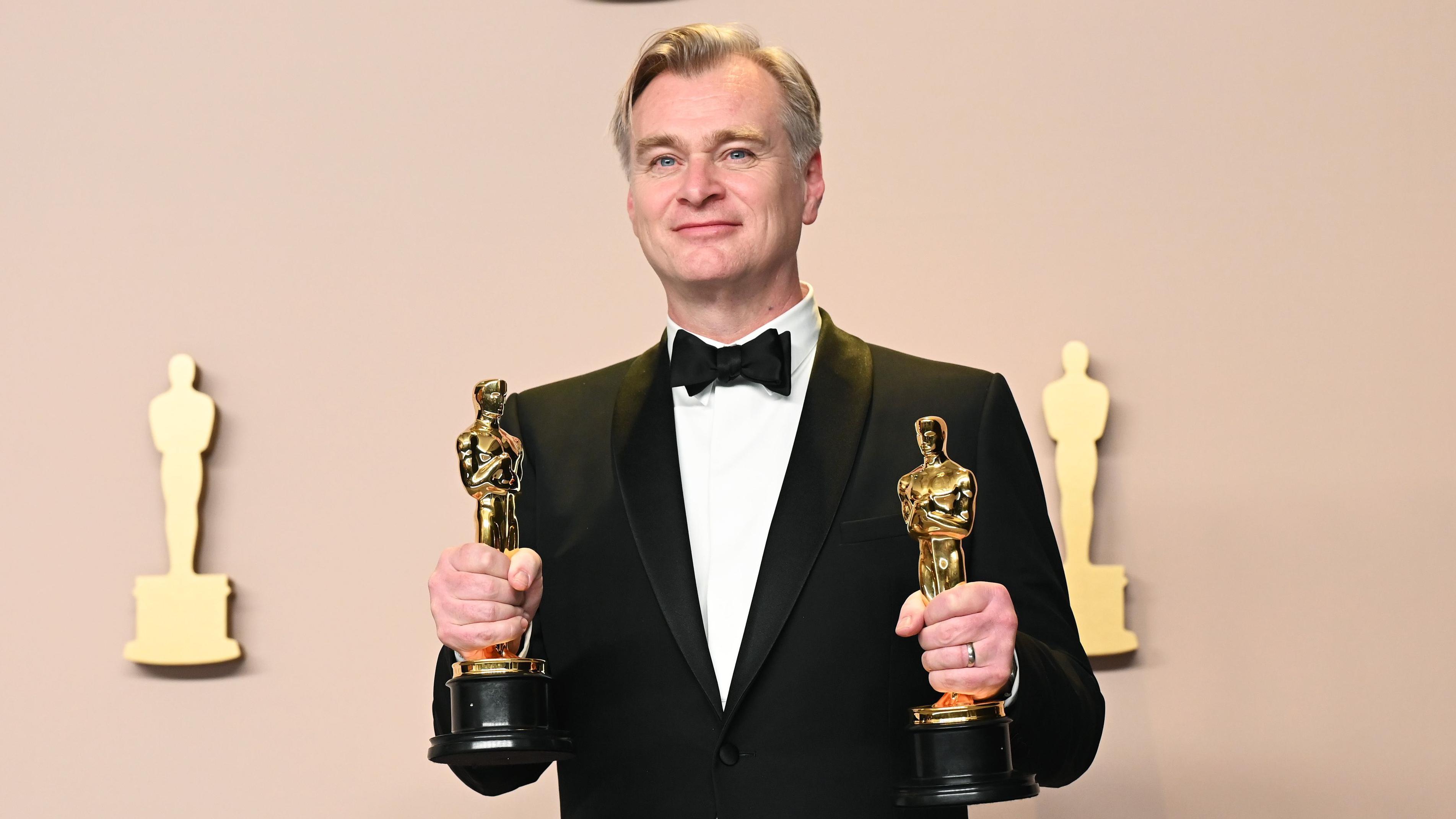
Nolan has not publicly responded to the backlash. The British filmmaker, known for directing and writing some of Hollywood’s most celebrated films, has created a new interpretation of Homer’s epic poem. His recent work, Oppenheimer, earned him two Oscars in 2024, and he is also recognized for films such as Dunkirk, Inception, Interstellar, and The Dark Knight.
Nyong’o, who won an Oscar in 2014 for her role in 12 Years a Slave, has also appeared in Star Wars: The Force Awakens and Black Panther. The Odyssey will also feature Matt Damon, Tom Holland, Anne Hathaway, Zendaya, and Charlize Theron. The film is set to premiere in cinemas in the US and UK on 17 July.
Key Points About the Controversy
- Lupita Nyong’o’s Response: Nyong’o has defended her casting, emphasizing that the story is mythical and that the cast reflects the diversity of the modern world.
- Elon Musk’s Criticism: Musk has been vocal about his disapproval, comparing the casting to an inappropriate portrayal of historical figures.
- Christopher Nolan’s Role: As the director and writer of The Odyssey, Nolan has not commented on the controversy, despite the public backlash.
- Cast Diversity: The film features a diverse ensemble, including well-known actors such as Matt Damon and Zendaya.
- Release Date: The movie is scheduled to debut in July 2025, generating anticipation among fans and critics alike.
The Broader Conversation
The debate around Nyong’o’s casting highlights the ongoing discussions about representation in media and the interpretation of classical literature. While some argue that the story should remain true to its historical roots, others believe that modern adaptations should reflect the diversity of contemporary society.
Nyong’o’s stance on the issue reflects a broader movement towards inclusivity in storytelling. Her comments emphasize the importance of allowing different perspectives to shape the narrative, even when it comes to ancient myths.
As the release of The Odyssey approaches, the conversation surrounding the film is likely to continue. Whether the film will be seen as a bold reimagining or a controversial departure from tradition remains to be seen.