The Odyssey: A Cinematic Challenge for Christopher Nolan
As the release date of Christopher Nolan’s latest film, The Odyssey, approaches, excitement is building among fans and critics alike. This adaptation of Homer’s legendary epic is not just another blockbuster; it’s a monumental task that requires balancing respect for the original work with the demands of modern cinema.
One of the most significant challenges in adapting The Odyssey is its sheer scale. The poem consists of over 12,000 lines divided into 24 books. It spans roughly 20 years and includes numerous episodes, detours, and encounters that shape Odysseus’ journey. Unlike a typical action film, The Odyssey unfolds through a series of episodic events, memories, and revelations. This structure is part of what makes the story so powerful, but it also presents a unique challenge for filmmakers. How can Nolan condense such a vast narrative into a three-hour film without losing the depth that made Homer’s work timeless?
Balancing the Epic’s Complexity
Nolan must decide whether to preserve the layered structure of the original or reshape it for a more direct cinematic experience. If he cuts too much, the film may lose the intricate storytelling that defines the epic. On the other hand, including every detail could result in a crowded or uneven narrative. The key will be finding a middle ground—staying faithful to the spirit of the story while making it accessible to a modern audience.
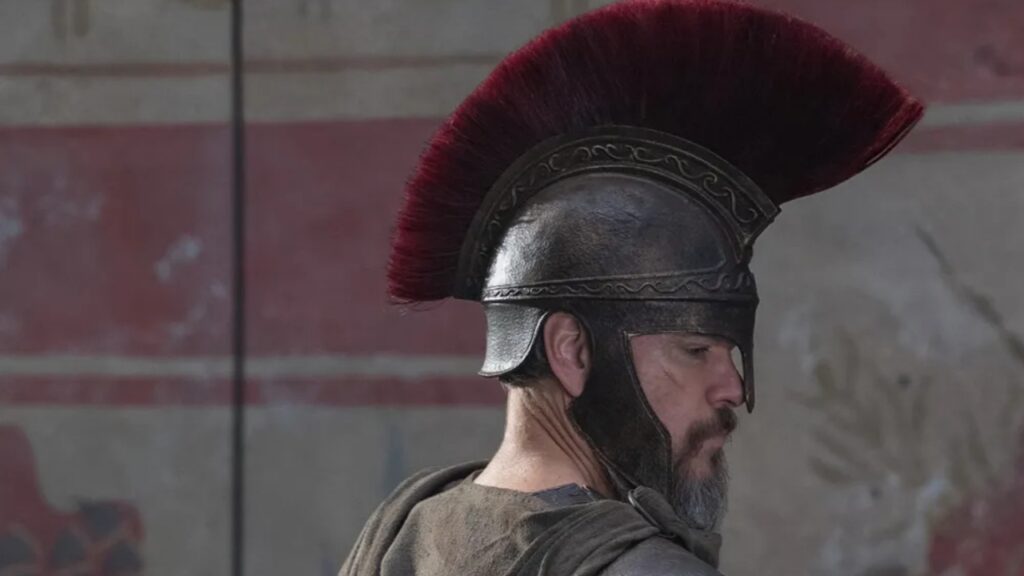
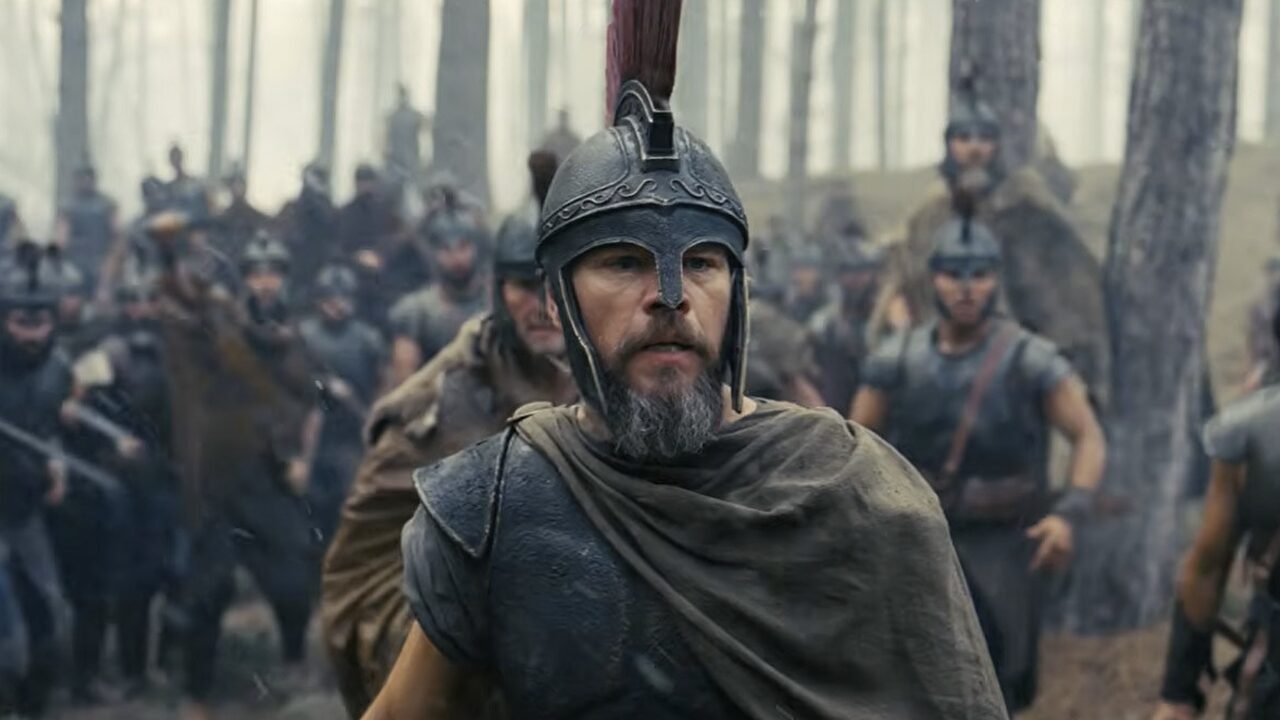
Another major challenge lies in bringing Odysseus to life on screen. He is a complex character, known for his bravery, intelligence, and cunning, but also for his pride, deception, and ruthlessness. Matt Damon faces the daunting task of portraying both sides of Odysseus without making him feel inconsistent. His cleverness should not come across as purely heroic, and his darker choices should not be dismissed as simple action-movie toughness. The film must navigate these contradictions carefully, ensuring that Odysseus remains compelling without being overly polished.
Making an Ancient World Relevant
The cultural gap between Homer’s world and today’s is another hurdle. The epic is shaped by concepts like nostos (homecoming) and xenia (hospitality), which were central to the values of ancient Greece. These ideas drive the story and influence how characters interact. The film must explain these concepts without feeling like a history lesson. Viewers should understand their significance through the narrative itself.
The presence of gods in The Odyssey adds another layer of complexity. They are deeply involved in human affairs, guiding, punishing, and testing individuals. For modern audiences, this may require careful handling. If the gods feel too distant, the mythic power of the story may be lost. However, if they control everything, Odysseus may seem less important in his own journey. Nolan must find a way to portray the gods that maintains both the mythic and human elements of the story.
Mythical Creatures and Their Meaning
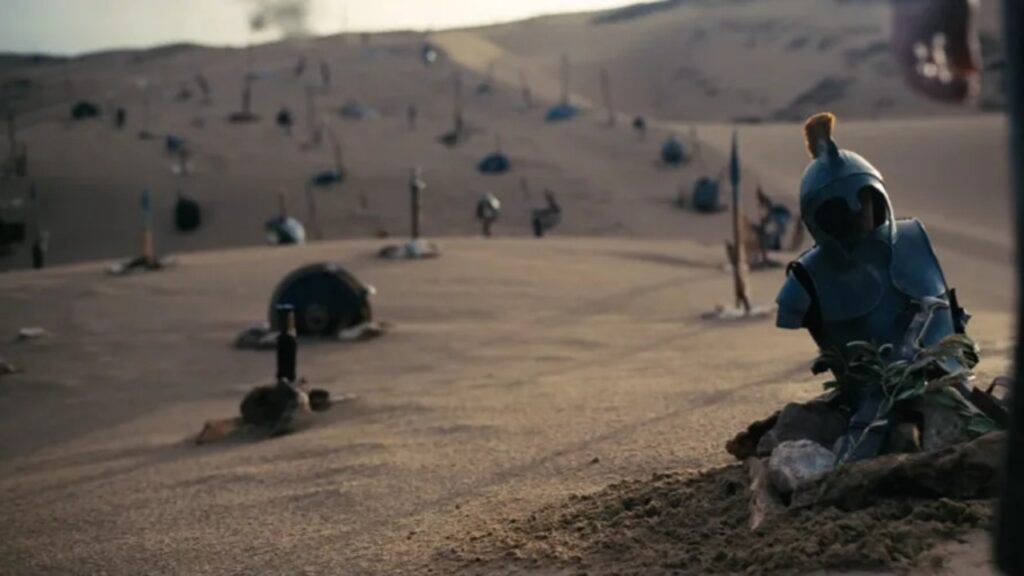
The mythical creatures in The Odyssey are some of the most exciting aspects of the story. From dangerous waters to monsters and temptations, these elements offer rich visual opportunities. Fans are eager to see how Nolan brings these creatures to life, given his reputation for creating visually stunning films. However, these scenes must serve a purpose beyond spectacle. Each encounter reveals something about Odysseus, testing his intelligence, pride, and survival instincts. If treated only as action sequences, these moments may feel empty. But if connected to Odysseus’ journey, they could become some of the film’s most powerful scenes.
Navigating Expectations and Legacy
The pressure on The Odyssey is immense. As one of the most important works in literary history, it has been studied, translated, and debated for centuries. Nolan’s film will be judged closely, and even small choices may spark controversy. The teasers have already received mixed reactions, with some praising the visuals and others criticizing certain decisions. This kind of scrutiny is expected when adapting such a famous story.
Nolan must also satisfy a wide range of viewers. Literature fans will expect respect for Homer’s work, mythology enthusiasts will want imagination and scale, and general moviegoers will look for emotion and a clear story. Adding to the pressure is the need to live up to his own legacy. If The Odyssey succeeds, it could become one of his most memorable films. But if it fails to capture the emotional weight of the original, even beautiful visuals may not be enough.
Final Thoughts
Christopher Nolan’s The Odyssey is more than just a film—it’s a test of his ability to bring an ancient epic to life in a modern context. With so many challenges to overcome, the success of the film will depend on its ability to balance complexity, character depth, and cultural relevance. If Nolan can achieve this, The Odyssey could become a landmark in cinematic storytelling.