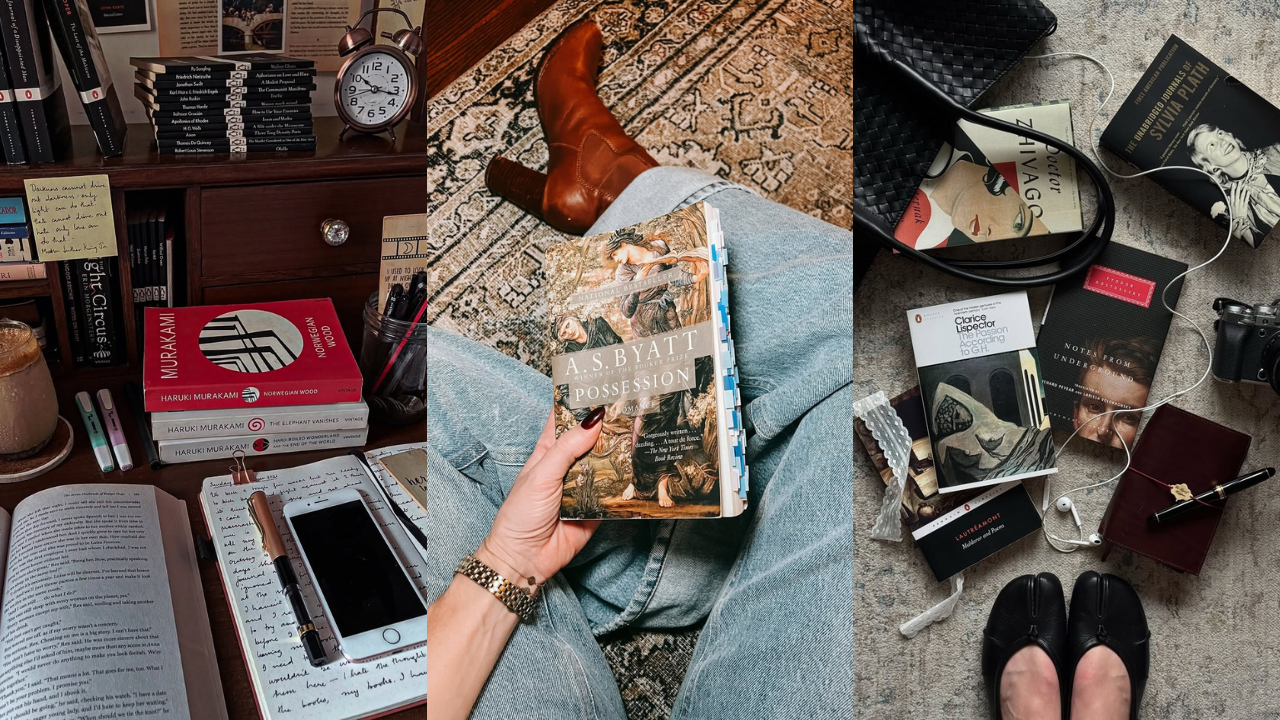
Unrequited love has long been a central theme in literature, yet it is often mishandled by modern writers. Instead of treating it as a temporary phase or a simple romantic subplot, the seven books listed below delve deeply into the emotional complexity of unrequited feelings. These works do not shy away from the pain, patience, and quiet ache that come with loving someone who does not return the affection. They are written by authors who understand this experience intimately and have chosen to explore it without pretense or resolution.
The Seven Books That Explore Unrequited Love
The Sorrows of Young Werther by Johann Wolfgang von Goethe
Published in 1774, this novel is often credited with popularising unrequited love as a literary subject. Goethe, at just twenty-four years old, drew on his own experiences with an unrequited love for a married woman named Charlotte Buff. The book made him famous across Europe and even inspired a wave of copycat suicides. Goethe’s portrayal of how an obsession can consume a young man is both honest and unflinching, showing how the world continues to move on despite personal despair.Notes from Underground by Fyodor Dostoyevsky
This 1864 novella features one of the most brutal depictions of unrequited love in 19th-century literature. The narrator, a bitter former civil servant, becomes briefly attached to a young woman named Liza who shows him kindness. His response is to humiliate her, unable to bear being loved. The book challenges conventional romantic narratives by highlighting that unrequited love can sometimes be one-sided in unexpected ways.Possession by A.S. Byatt
This 1990 Booker Prize-winning novel weaves two love stories across different time periods. Two contemporary academics uncover a secret affair between two Victorian poets, while gradually realising their own growing feelings for each other. The story is a literary detective tale, a study of how scholars project themselves onto their subjects, and a precise exploration of love that remains unspoken. Byatt understands that unrequited love is often a long act of attention.Norwegian Wood by Haruki Murakami
This 1987 Japanese novel explores love, grief, and mental illness among university students in Tokyo during the late 1960s. At its core is an unrequited triangle: Toru loves Naoko, who is still devoted to a dead boy; Midori loves Toru, but he cannot fully reciprocate. Murakami refuses to neatly resolve any of these threads, making the novel resonate with readers around the world due to its realistic portrayal of complex emotions.On Love by Alain de Botton
This 1993 debut novel by the Swiss-British philosopher is structured as a love affair told through footnotes, philosophical reflections, and diagrams. The second half of the book deals with the aftermath of the relationship, as the narrator must dismantle the emotional architecture he built. De Botton is unusually honest about the embarrassment of loving someone who no longer feels the same way.A Lover’s Discourse Fragments by Roland Barthes
Published in 1977, this French philosopher’s work is composed of short alphabetical entries exploring the language of being in love. From “absence” to “waiting” and “the world bruises,” Barthes attempts to make sense of an obsession by analysing its grammar. The book has become one of the most quoted works on longing because Barthes avoids romanticising or trivialising the feeling.An Equal Music by Vikram Seth
This 1999 novel follows Michael Holme, a London-based violinist, whose great love Julia returns to his life years after she disappears. She is now married with a child and is slowly losing her hearing. Seth writes about music and longing with equal precision, capturing how the love you cannot quite have can shape a whole life.
Why These Books Matter
The honesty of unrequited love lies in the fact that it does not always end. These books do not offer solutions or easy resolutions. Instead, they confirm that such feelings exist, have existed for centuries, and have been explored by some of the greatest writers in the English language. In doing so, they provide a kind of quiet companionship to those who have experienced the ache of loving someone who does not return the affection.