A Life of Music, Money, and Memories
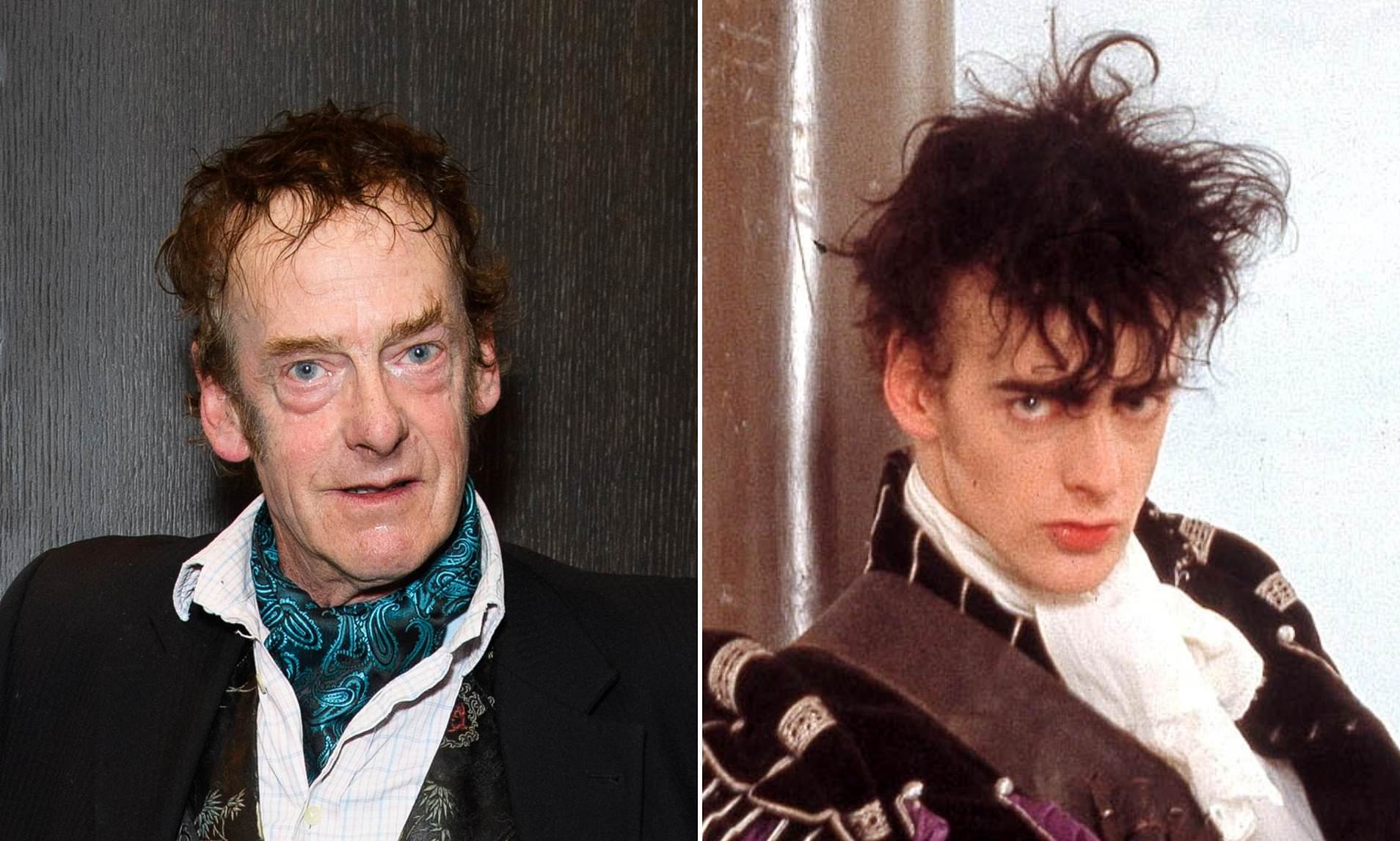
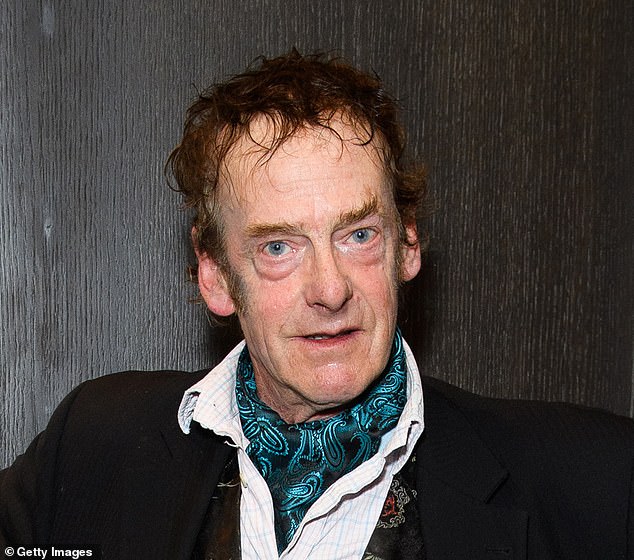
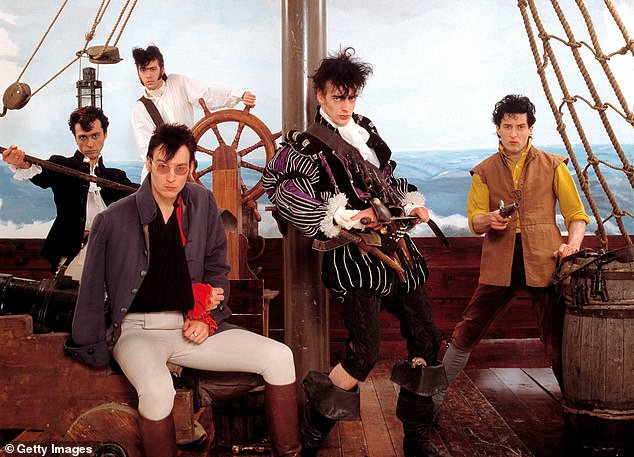
Singer-songwriter, TV presenter, and actor Ed Tudor Pole is best known for fronting the punk rock band Tenpole Tudor, whose 1981 hit “Swords Of A Thousand Men” made waves in the music scene. His career has spanned decades, with appearances in films, television, and even a role in the Sex Pistols’ film The Great Rock ‘n’ Roll Swindle. He also contributed to the soundtrack by singing on three songs.
Ed’s journey began in south-west London, where he grew up as one of two boys. His father worked in the international division of the Post Office, while his mother managed the household. Their home was not particularly affluent, but it was stable. Ed recalls receiving a few pennies as pocket money for sweets, though his childhood was marked by austerity—like being limited to one glass of Ribena per day.
Financial Struggles and Triumphs
Ed faced financial challenges in his early 20s when he lived in a squat in London on just £9 a week in unemployment benefits. At one point, he walked nine miles from Regent’s Park to Mortlake to borrow a pound from his mother. Along the way, he met a man who, after learning Ed had no money, gave him 10p. “What a generous, kindred spirit,” Ed remembers.
During tough times, he often made vegetable stew using produce from market stalls. It wasn’t luxurious, but it helped him survive.
Despite these struggles, Ed experienced moments of financial success. After co-writing the punk hit Who Killed Bambi with Vivienne Westwood in the late 1970s, a music publisher handed him £6,000—a significant sum at the time. More recently, the song resurfaced in Netflix’s Zero Day, earning him additional income. Presenting The Crystal Maze on Channel 4 also brought in a substantial salary of £50,000 a year.
The Best Year of His Financial Life
While many might assume 1981 was the peak of Ed’s financial success, he notes that the real rewards came later. The royalties from Swords Of A Thousand Men took time to trickle in, and record labels varied in their payment practices. Some were notorious for holding onto artists’ earnings. However, the song eventually became a long-term asset, even generating income again in 2020–21 when Haven Holidays used it in an advert.
The Most Expensive Thing for Fun
One of Ed’s proudest purchases was a beautiful acoustic guitar bought in London’s Denmark Street for £500 in the late 1970s. He spent countless hours playing it and composing songs. Unfortunately, it was stolen during his time in a squat, and it wasn’t insured. “There was no hot water in the squat, let alone money to insure anything,” he recalls.
Biggest Money Mistakes and Best Decisions
Ed admits that one of his biggest mistakes was not making more investments over the years. However, he credits two key decisions for his financial stability: buying a flat in Finsbury Park for £10,000 in the early 1980s, which he sold later for a profit, and playing punk rock gigs to fund his son Henry’s education. Henry received a bursary covering three-quarters of the fees at the City of London School, with Ed contributing £60 a week.
Passing on Wealth and Financial Priorities
Ed plans to pass his wealth to his son, though he doesn’t expect to leave a fortune. He strongly opposes inheritance tax, believing people should be able to pass on what they’ve earned without being penalized.
He has been paying into a private pension since his 30s, following his father’s advice, though he hasn’t needed to use it yet. He also claims his state pension.
Ed owns a Victorian terraced house in London, purchased 30 years ago for around £100,000. He refuses to track its current value, as it’s his home. “It’s only worth knowing what something is worth if you’re going to sell it,” he says.
If He Were Chancellor
If Ed could choose someone to be chancellor, he’d pick his friend Geoffrey, a Devon farmer. “He knows much more about money than I do. He’s solid, dependable, sensible, and efficient—what more do you want in a chancellor?”
Financial Priorities
Ed’s number one financial priority is to keep gigging. He’s played around 50 gigs a year since the 2000s, though fewer now. On a good night, he can make a few hundred pounds, which helps cover food and a decent bottle of wine. He lives frugally, ensuring he can maintain a simple but comfortable lifestyle.