The Rise of GLP-1 Drugs and Their Impact on Bariatric Surgery
The increasing use of GLP-1 drugs to manage obesity is significantly altering the landscape of weight loss treatments. These medications, originally developed for Type 2 diabetes, have gained widespread attention for their effectiveness in helping individuals achieve substantial weight loss. As a result, there has been a noticeable decline in the number of bariatric surgeries, which were once the primary option for patients seeking dramatic weight reduction.
Study Reveals Significant Trends
A recent study published in JAMA Surgery analyzed trends in metabolic and bariatric surgery in the U.S. between 2022 and 2024. The findings revealed that as the use of GLP-1 drugs increased by 140.4 percent during this period, the rates of bariatric surgery fell by 34 percent. This data was derived from an analysis of 11.7 million patients diagnosed with obesity or diabetes.
This trend aligns with another study conducted by Loyola University Chicago, which found that the number of metabolic and bariatric surgeries in the U.S. dropped below 200,000 in 2024 for the first time since 2020. Researchers noted a more than 20 percent decline between 2023 and 2024, with procedures falling from 217,387 to 177,297.
Expert Insights on the Shift
Dr. Richard M. Peterson, president of the American Society for Metabolic and Bariatric Surgery, highlighted the impact of GLP-1 drugs on medical discussions. He stated, “GLP-1s are starting a conversation in doctors’ offices that really wasn’t happening as much as it should have been.” According to him, the high demand for these drugs and increased awareness of the dangers of obesity have created an unprecedented opportunity to educate and engage patients on all proven treatments — not just medications — which is essential to effectively treating this chronic disease.
Evolution of Bariatric Surgery
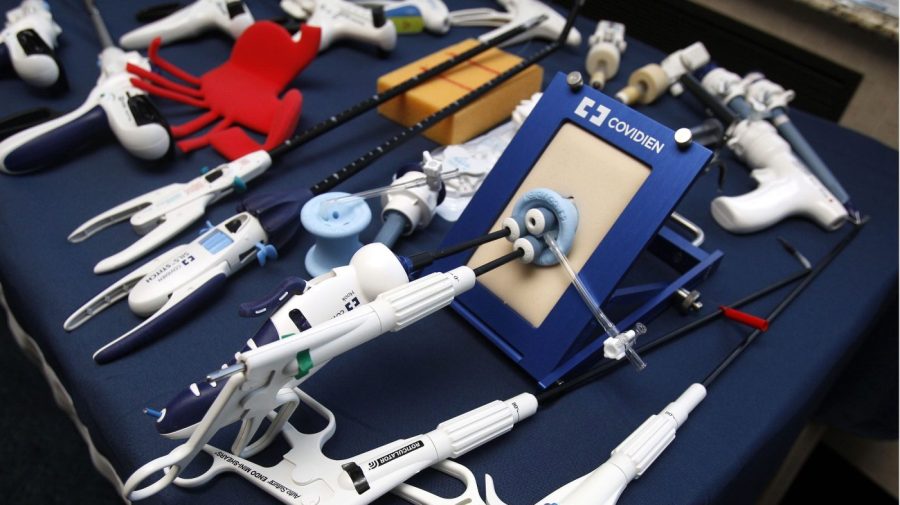
Bariatric surgery was once commonly referred to as “stomach stapling,” an invasive procedure where surgeons reduced stomach size through a large incision. However, today, most procedures are minimally invasive and typically involve shorter recovery periods. Two of the most common types of bariatric surgery are gastric sleeve surgery and gastric bypass.
These procedures are designed to help patients lose weight by limiting food intake and, in some cases, reducing nutrient absorption. While they remain effective for many, the rise of GLP-1 drugs is prompting a reevaluation of treatment options.
Understanding GLP-1 Medications
GLP-1 medications have been used more broadly for over a decade to treat people who are overweight. These drugs work by slowing digestion and reducing appetite, which can lead to significant weight loss. However, they can also have side effects, including nausea, vomiting, and diarrhea.
Despite these potential side effects, the popularity of GLP-1 drugs continues to grow, driven by their effectiveness and the growing awareness of the health risks associated with obesity. As more patients turn to these medications, the medical community is adapting its approach to weight management, emphasizing a comprehensive strategy that includes both pharmacological and surgical interventions.
Conclusion
The shift towards GLP-1 drugs represents a significant change in how obesity is treated. With the decline in bariatric surgery rates and the increasing use of these medications, healthcare providers are encouraged to explore a range of treatment options for their patients. This evolving landscape underscores the importance of ongoing research and education to ensure that patients receive the most effective and appropriate care for their individual needs.