Expert Archaeologist Shares Insights on Gus Lamont Investigation
An expert in forensic archaeology and criminology has shared her thoughts on the recent search for Gus Lamont, a young boy who disappeared from a remote sheep station in South Australia. According to Louise Steding, the return of SA Police to the area is a positive step, even though no evidence of an abduction was found.
“It’s clever to search that property after heavy rain. It makes it a completely different environment,” explains Steding. “If Gus’s remains, belongings or clothes are on the surface or close to it, they might get washed out.”
Steding, who has helped solve cold cases like the disappearance and death of Matthew Leveson in 2017, believes that plants could hold a clue to where Gus is buried – either by revealing foul play or windblown soil deposits.
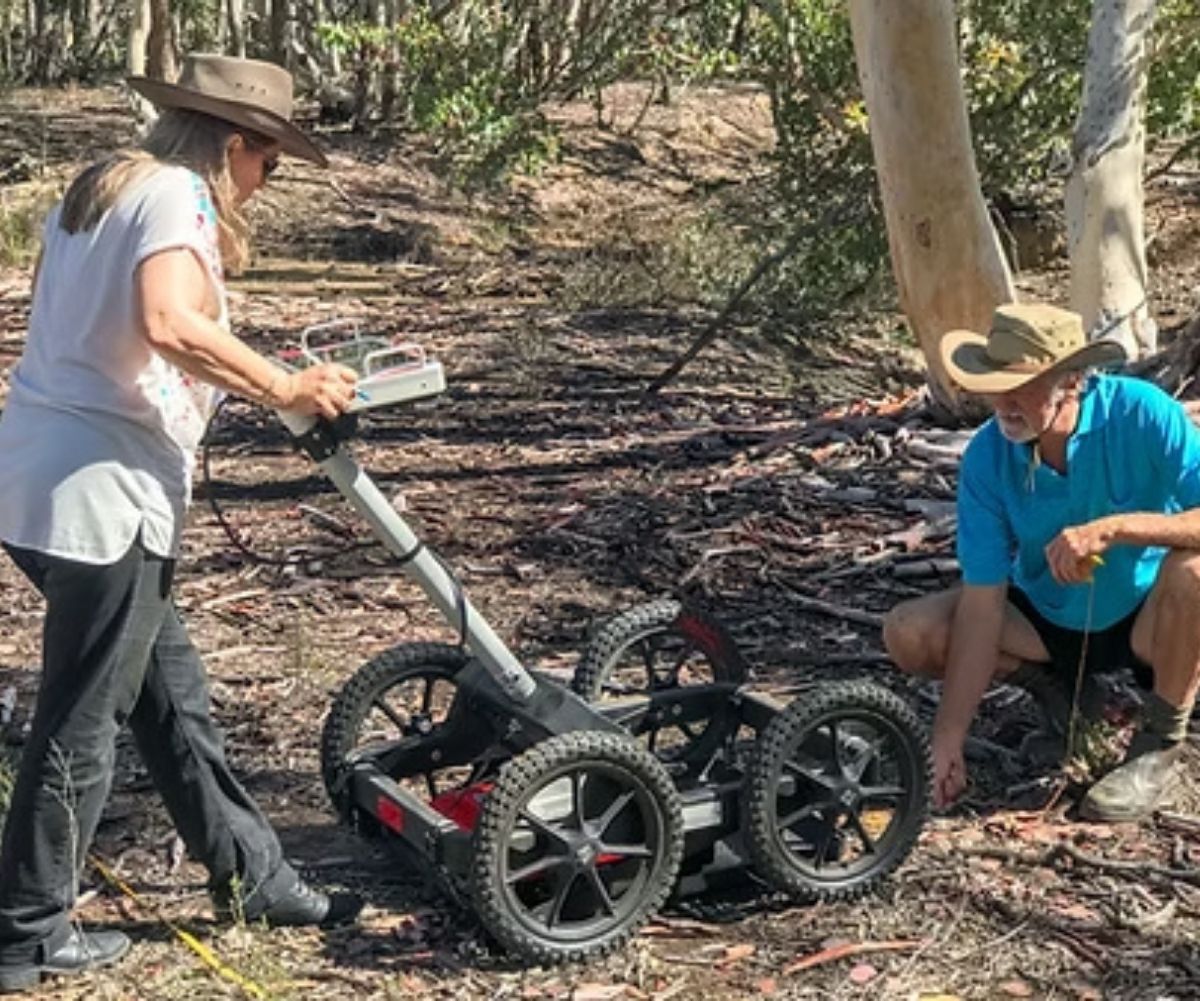
“It sounds horrible, but decomposition will have changed the chemical composition of the soil if he was buried or covered by eight months of wind-blown deposits,” she explains. “The plant species are going to flourish with this watering, and different species can emerge at locations where someone has been buried.”
New Opportunities for Clues
This week, officers from Task Force Horizon returned to Oak Park Station near Yunta, where Gus was last seen alive on September 27. Over three days, officers searched more than 30km of waterways, creek beds, bores and wells hoping that recent heavy rainfall could provide new clues.
“We’ve concentrated on the waterways because that’s where most of the weather event activity has occurred,” said Detective Superintendent Darren Fielke of SA Police’s Major Crimes Division. “That gave us an opportunity to come back, to see if anything has been unearthed, anything has been shifted, anything has been altered that allows us to have a look.”
From May 16-17, Yunta received about 23 millimetres of rain – while another four millimetres fell on May 19. Steding explains this amount of rain could pool in shafts scattered around the property and suggests a different approach.
“If it were me, I’d be dropping a heavy weighted scoop down into the shafts [to] stir up the water, then have the police cadaver dogs come in and see if they respond.”
Challenges in the Investigation
Initially, police thought Gus had walked off from the property’s homestead and became lost, but this theory was ruled out once the investigation was declared a major crime in February. During the latest update this week, Fielke confirmed one of Gus’ grandparents is a suspect, and that 500 people who were around Oak Park Station when Gus disappeared have been identified.
“Taskforce members have been meticulously working through the list of those people and making individual contact with every one of those people,” Fielke explained. “All of these people that we have contacted so far have been discounted as being involved in any way in Gus’ disappearance. There aren’t many people left on that list.”
Fielke also stated there was no evidence to suggest that Gus had been abducted, and items seized from the property for forensic examination in January had failed to provide any new information.
“No evidence has been located as a result of that testing that provides any further lines of inquiry that might assist us,” said Fielke. “One of the grandparents remains a suspect in this investigation, although at this time I’m not prepared to elaborate any further in relation to that person. At this time, no other suspects or persons of interest have been identified in this investigation.”
Gus’ grandparents have previously stated they were cooperating fully with the investigation, and want nothing more than to find Gus. No charges or arrest have been made in connection to Gus’ disappearance as well.

Potential for New Discoveries
If Gus was buried by someone, Steding believes the recent deluge could help investigators pinpoint where he is. “If he’s buried and it’s rained, the soft broken soil will sink into the grave,” she explains. “Police might have a hard time finding it due to the huge land area, but the grave could be exposed or be a long-lasting puddle which a drone could pick up.”
Steding also believes the plant life on the land could hold answers. “It’s a good time to check on the different plants that could show up in a false-colour photograph,” she explains. “With its processing, a wide area and see different shades or colours [would be shown] that we can’t normally see.”
Continued Efforts and Future Plans
As SA Police wrap up the 11th search for Gus with no new evidence, Fielke promised that the team will not give up looking for the “shy but adventurous boy.” “The longer this goes on, the closer we get to not finding him, and I think we all need to be aware of that,” he said. “That’s not going to stop our resolve or our determination – but it’s a reality of what might happen.”
Moving forward, SA Police will be using AI technology to analyse footage captured at Oak Park Station, and will be conducting further aerial searches on areas up to 15km from the homestead. Further searches will also be undertaken if anything of interest is found.
“Task Force Horizon members are in constant contact with Gus’ parents,” Fielke confirmed. “They regularly speak and they are regularly provided with updates.”