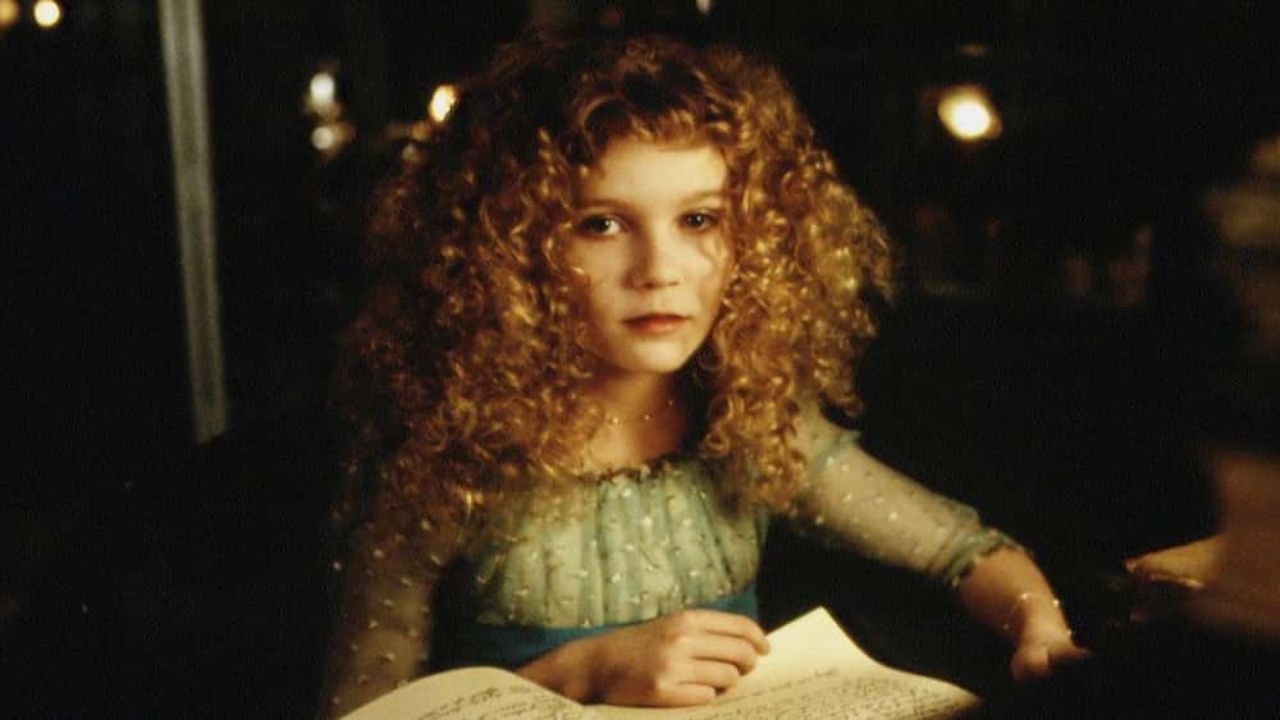
The Tragic Inspiration Behind ‘Interview with the Vampire’
Anne Rice gave the world one of the most influential works of Gothic fiction with Interview with the Vampire. But beneath its vampires, immortality, and supernatural drama lies a very tragic story that led Rice to write the novel. At its core, Interview with the Vampire is an attempt by a grieving mother to cope with her loss.
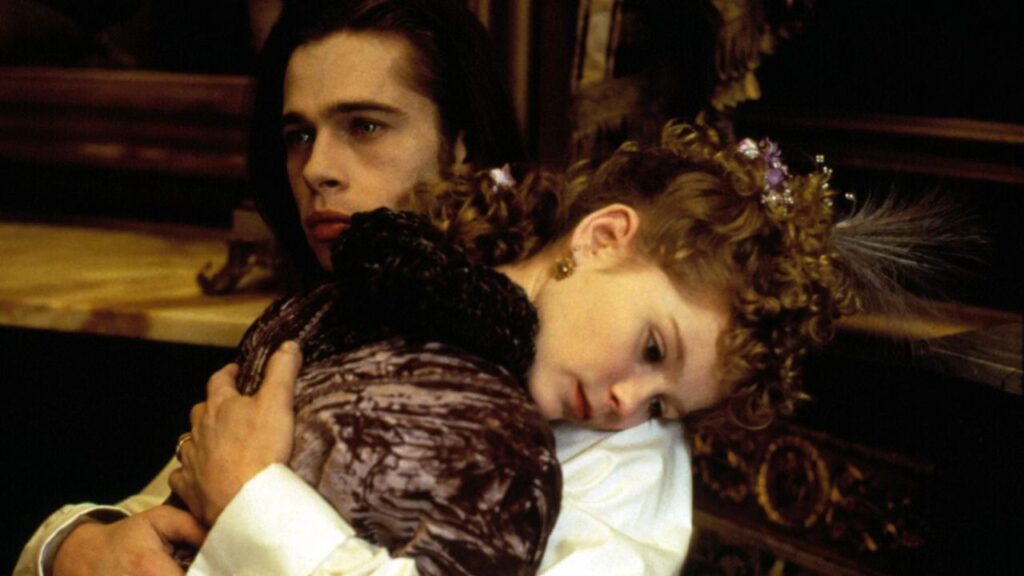
In Interview with the Vampire, Louis becomes a vampire when he is grieving the death of his younger brother and meets Lestat. But after turning, he constantly struggled with his conscience and avoided killing humans. Eventually, he feeds on a 5-year-old girl found next to her mother’s corpse, who had died of the plague. After this, Louis considered leaving Lestat and going his own way. In an attempt to make him stay, Lestat transformed the little girl into a vampire. She was given the name Claudia and became their tragic vampire child.
The inspiration for the child-vampire Claudia actually came from Anne Rice’s own devastating loss. In 1972, Rice lost her five-year-old daughter, Michele, to leukemia. In an interview with The New York Times, Rice revealed that she struggled to cope with this tragedy. “It was a nightmare,” she described. During this painful time, Rice revisited a short story she had once written about a vampire living in New Orleans. Thus, Rice’s journey to write her debut novel started.
Years later, in a 2019 Facebook post, Rice reflected on the novel. “Some time after, in grief and madness, a dreadful fiction was born to me out of the tragedy—a book that was most certainly allegorical, though I never noticed.” That book went on to become one of the most celebrated works of fiction of all time. She stated, “Sometimes I think all art, high or low, admired or ‘popular,’ is a cry to Heaven against the horror of our mortality, against the horror of losing those we love forever, and against the horror that comes when we grasp for certain that we too will die.”
The Original Ending of Claudia
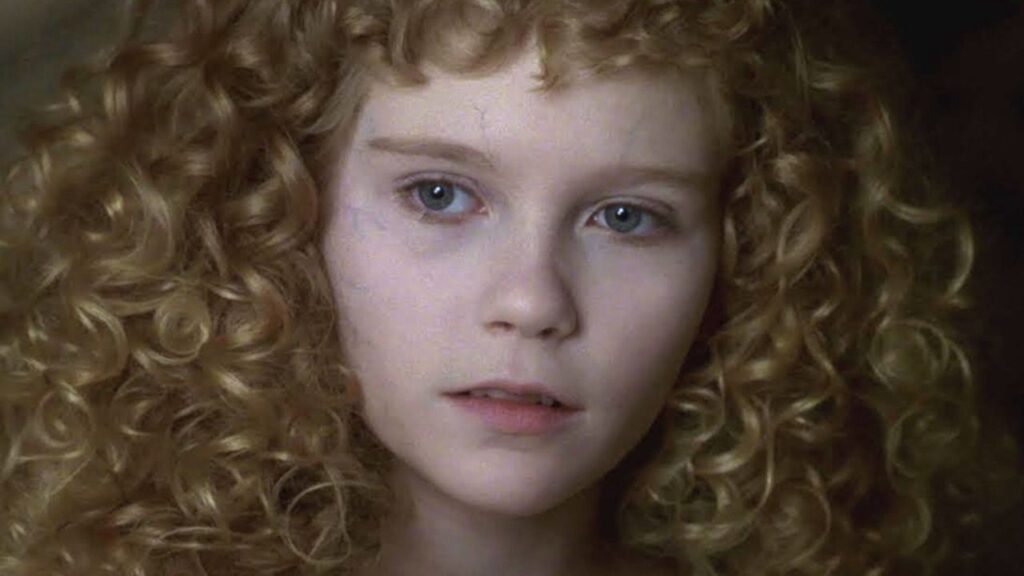
Today, Claudia’s tragic fate at the end of the novel remains a defining moment of Interview with the Vampire. But initially, Anne Rice intended for the character to survive. It was her editor who pushed for a different ending, and Rice was forced to confront her subconscious reality.
She admitted that keeping Claudia alive in the story deeply affected her mental health. “I almost died myself and went kind of crazy. I saw germs on everything and washed my hands 50 times and really cracked up,” she revealed to The New York Times. “I know that sounds all completely insane, but I really believe it’s true. If somebody is meant to die and you don’t do it, you’re really risking your well-being at the end of the book.”
Rice realized that she was subconsciously writing the novel as a way to process her grief for her daughter. She admitted that at the heart of Interview with the Vampire lies her 5-year-old Michele. “I was a sad, broken, and despairing atheist when I wrote Interview with the Vampire,” she told The Independent. “I pitched myself into writing and made up a story about vampires. I didn’t know it at the time, but it was all about my daughter, the loss of her, and the need to go on living when faith is shattered.”
A New Perspective on Life
Anne Rice stated that eventually, writing the book changed her perspective on many things. “But the lights do come back on, no matter how dark it seems,” she said, “and I’m sensitive now, more than ever, to the beauty of the world—and more resigned to living with cosmic uncertainty.”
Her work continues to resonate with readers around the world, not just for its supernatural elements, but for the deep emotional truth that lies beneath. Through Interview with the Vampire, Rice transformed her personal pain into a universal story of loss, love, and the search for meaning in a world where death is inevitable.