A Teen’s Ordeal in the Emergency Room
A 17-year-old girl from Western Australia spent nearly five days in an emergency room waiting for a bed in an adolescent mental health unit. This harrowing experience has led to public apologies from the state’s health minister and a director of the country health service.
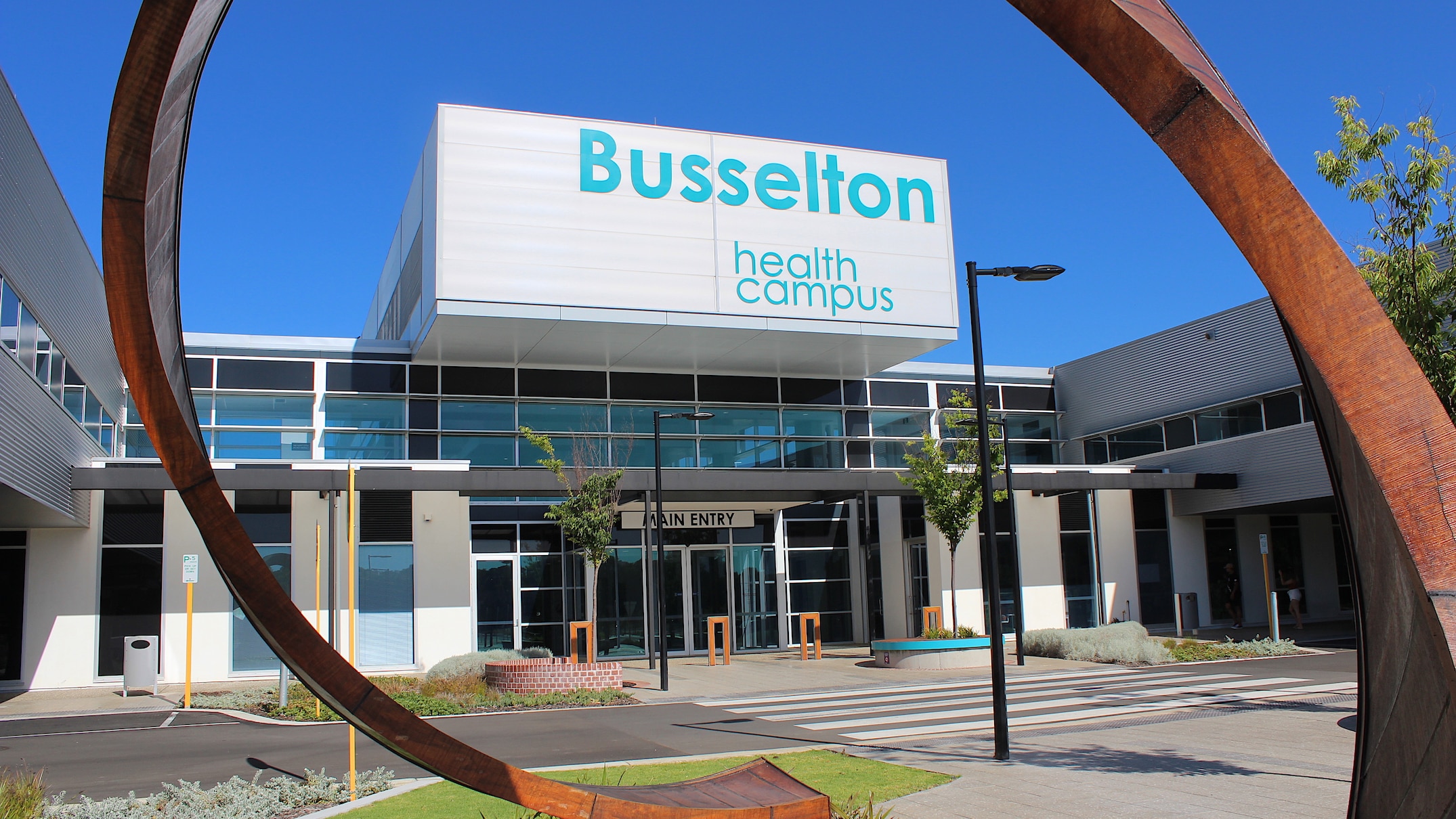
The incident occurred in March when the then-17-year-old, known as Maddi, attempted to take her own life twice before being taken to Busselton Health Campus, located 220 kilometers south of Perth. Upon admission, she was identified as high risk by psychiatric nurses. However, she was left in limbo for 116 hours, waiting for a place in a specialized mental health unit.
Maddi, who is now 18, described the experience as “uncomfortable and lonely.” She said she spent most of her time lying there without much to do. Her mother, Tara, shared similar sentiments, noting that the wait added to the challenge of seeking help. She struggled to convince Maddi that staying was worth it, even as she herself began to doubt whether they would receive the necessary support.
Eventually, Maddi was admitted to Joondalup Mental Health Unit in Perth’s north. However, the isolation from friends and family made treatment difficult. While she made some friends at the facility, she felt the experience was not positive. She only received one visit during her five-day stay and wanted to go home every day.
Maddi expressed a desire to speak out about her experience to help improve the system for others. She hopes to work in youth mental health in the future, specifically in nursing or working on a psychiatric ward.
Health Director Offers Sincere Apology
In a letter sent to the family, WA Country Health Service director of medical services, Mark Holloway, offered a “sincere apology” for the delay and distress experienced by the family. He acknowledged that the situation was not isolated, with prolonged boarding of patients in emergency departments becoming increasingly common.
Holloway noted that the problem has been exacerbated in the Southwest due to the reduction in acute inpatient mental health beds since August 2025 as part of the Bunbury Regional Hospital redevelopment. The number of beds was reduced from 23 to 11 during this period. The Bunbury Regional Hospital is the only acute mental health unit in the South West region.
The opposition has been raising concerns about the region’s diminished mental health services in parliament for months. Opposition health spokesperson and member for Vasse, Libby Mettam, stated that the painful experience of Tara and her daughter was avoidable. She criticized the lack of additional beds and highlighted the consequences of the hospital’s development, which included the closure of some acute mental health beds.
Minister Concedes Delay ‘Unacceptable’
WA Health Minister Meredith Hammat issued an apology to the teenager and her family for “this unacceptable delay.” This comes shortly after the government opened a 40-bed expansion of a mental health facility at Fremantle Hospital.
Hammat commended the staff at Busselton Health Campus for their care but emphasized that the prolonged stay in the emergency department was unacceptable and will be reviewed. She mentioned that the government and the Department of Health and Mental Health Commission are working together to strengthen mental health supports across the state.
Hammat highlighted the $471 million Bunbury Regional Hospital redevelopment as the largest in the state’s history. During the works, the hospital has expanded its Mental Health Hospital in the Home program, increased staffing in the emergency department, and provided more support for local community organizations and GPs.
Despite these efforts, Mettam pointed out that eight places available in the Mental Health Hospital in the Home program are not enough to offset the loss of 12 acute psychiatric beds at Bunbury Regional Hospital. She stressed that there is enough demand for dedicated adolescent mental health beds in the region.
Tara expressed concern about how many others might have fallen through the gaps of WA’s regional mental health system. She found it “scary” to think about the number of families affected and the lack of available beds. She questioned where these people all go, emphasizing the urgent need for more resources and support.