Quentin Tarantino’s Critique of Wes Craven’s Direction in ‘Scream’
Quentin Tarantino, known for his bold and unconventional approach to filmmaking, has often shared his opinions on various directors and their works. In a 2015 interview promoting The Hateful Eight, he expressed his thoughts on Wes Craven’s direction of Scream (1996). According to Tarantino, Craven’s approach was too restrained, which prevented the film from reaching its full potential.
“I actually didn’t care for Wes Craven’s direction of it. I thought he was the iron chain attached to its ankle that kept it earthbound and stopped it from going to the moon,” Tarantino said. He believed that Craven was trying to fit the story into the traditional slasher mould, which made the film feel safe rather than daring. However, despite this critique, Scream ultimately redefined the horror genre by introducing a new formula that blended self-awareness with suspense.
How ‘Scream’ Redefined the Formula of Horror
Scream is often considered one of the most influential horror films of the 1990s. While it follows a somewhat formulaic structure, it doesn’t conform entirely to the tropes of the genre. Instead, it introduces morally complex characters who are not afraid of the supernatural but rather face a human killer. This shift in focus makes the film stand out, as it centers around a psychotic killer who enjoys talking and planning his next move.
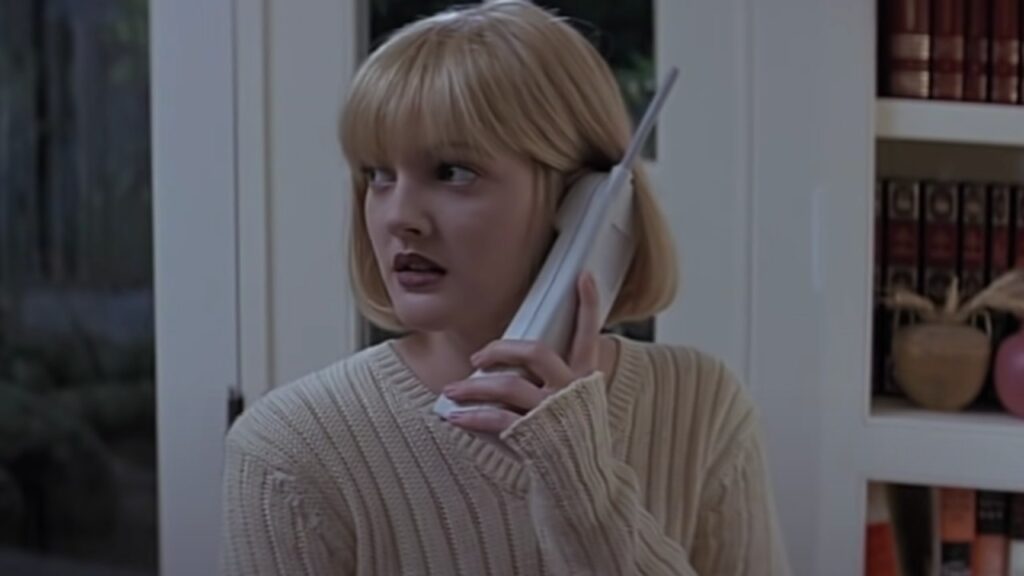
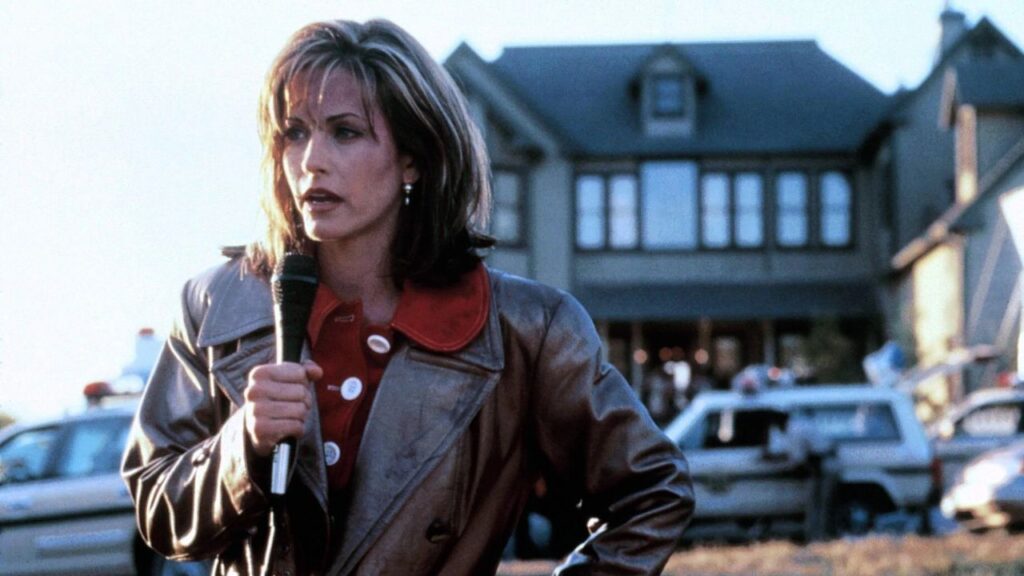
The movie features Drew Barrymore as the first victim, with Sidney Prescott (played by Courteney Cox) being the sole survivor. Her survival is not due to luck but rather her intelligence and quick thinking. This aspect of the film mirrors Nancy’s actions in A Nightmare on Elm Street, where she uses her agency to defeat Freddy Krueger. In Scream, the horror elements stem from the human mind and its obsession, particularly through the characters of Billy and Stu.
A Horror Movie Inspired by ‘Kill Bill’
If Quentin Tarantino had directed Scream, the film would have taken a completely different direction. His style is characterized by stylized violence, flamboyant characters, and an exaggerated sense of drama. In such a version, the characters would likely be more confident and headstrong, contrasting with Craven’s grounded approach.
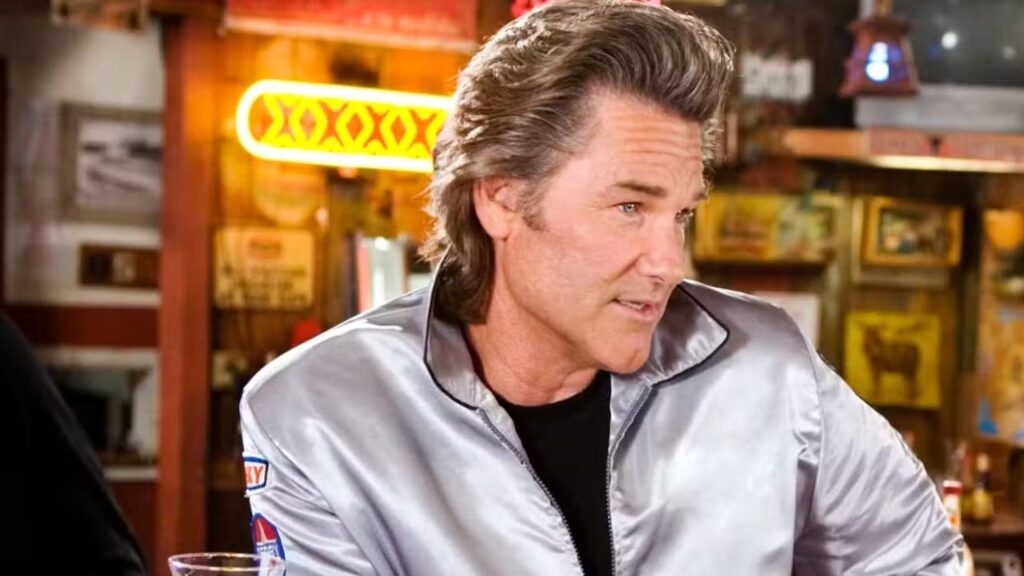
This is evident in Tarantino’s 2007 film Death Proof, where the protagonist, played by Kurt Russell, faces a vengeful female character. Unlike Craven’s portrayal of Ghostface, which balances menace with a touch of humanity, Tarantino’s version would emphasize the brutality and over-the-top nature of the killings.
Ghostface as the Mascot of Macabre and Mayhem
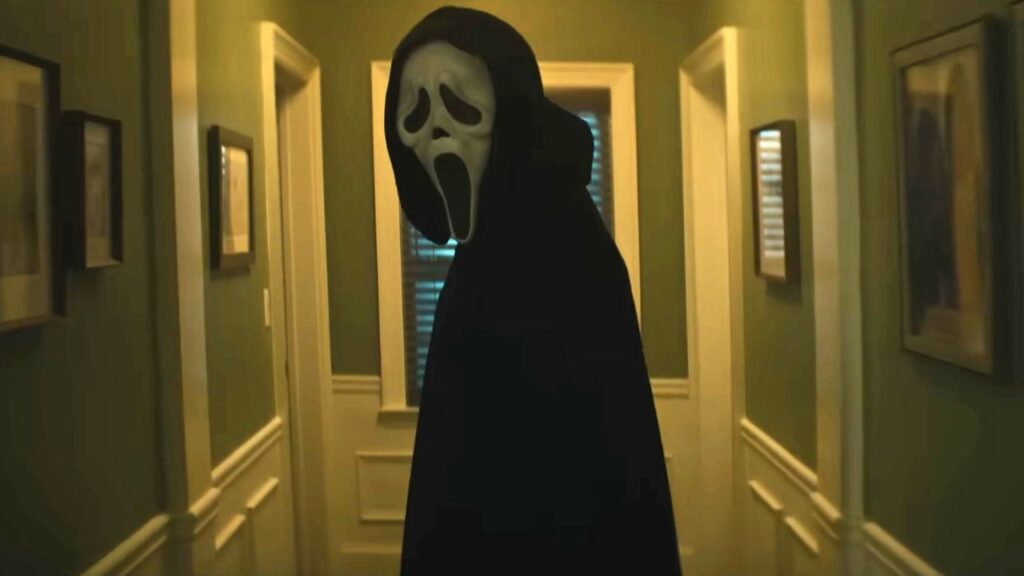
One of the most iconic aspects of Scream is the character of Ghostface. Craven successfully transformed him into a symbol of chaos and mayhem. The mask became a cultural phenomenon, influencing Halloween costumes and even inspiring other horror films. Movies like I Know What You Did Last Summer and Urban Legend followed the blueprint set by Scream, incorporating similar tropes of hidden killers and urban legends.
Ghostface’s appeal lies in his ability to be both menacing and fallible. Unlike traditional horror villains, he is not invincible, which adds to his complexity. Fans have compared him to Michael Myers from Halloween, highlighting his impact on the genre. His presence in pop culture demonstrates how Scream managed to blend horror with humor, creating a unique and memorable experience.
Why Playing Safe Worked in Craven’s Favor
Despite Tarantino’s criticism, Craven’s decision to play it safe proved to be a wise choice. By breaking the rules of traditional horror, he created a film that felt fresh and innovative. Characters like Nancy and Sidney are not passive victims; they actively navigate their fears and use their intelligence to survive.
This pragmatic approach, combined with a realistic tone, made Scream relatable and engaging. It challenged the conventions of the genre by showing that survivors could be strong and resourceful, rather than just lucky. This aspect of the film is why many fans prefer Craven’s vision over what Tarantino might have offered.