Wildlife Displacement and Environmental Concerns at Fred Caterson Reserve
Residents of Castle Hill in Sydney’s north-west are raising concerns about the environmental impact of a proposed sports facility development at Fred Caterson Reserve. The reserve, which is home to native animals such as swamp wallabies and powerful owls, has become a focal point for local opposition due to its transformation into a rugby union training ground.
The Hills Shire Council has initiated a project to convert a former pony club area into a premier rugby union facility, potentially serving the Eastwood Rugby Club. This includes three fields, one of which will be used in the Shute Shield semi-professional competition, along with new amenities and a car park. The council claims the project will benefit future generations of residents, especially given the region’s housing targets, which are expected to increase by 50,000 to 60,000 people within five years.
However, the development has sparked controversy among local residents who believe it is harming wildlife. The nearly 7-hectare site was fenced off in late February, with trees removed shortly after. Since then, reports of dead, injured, and displaced animals have been shared widely on social media platforms, including Facebook groups dedicated to opposing the project.
Impact on Local Wildlife
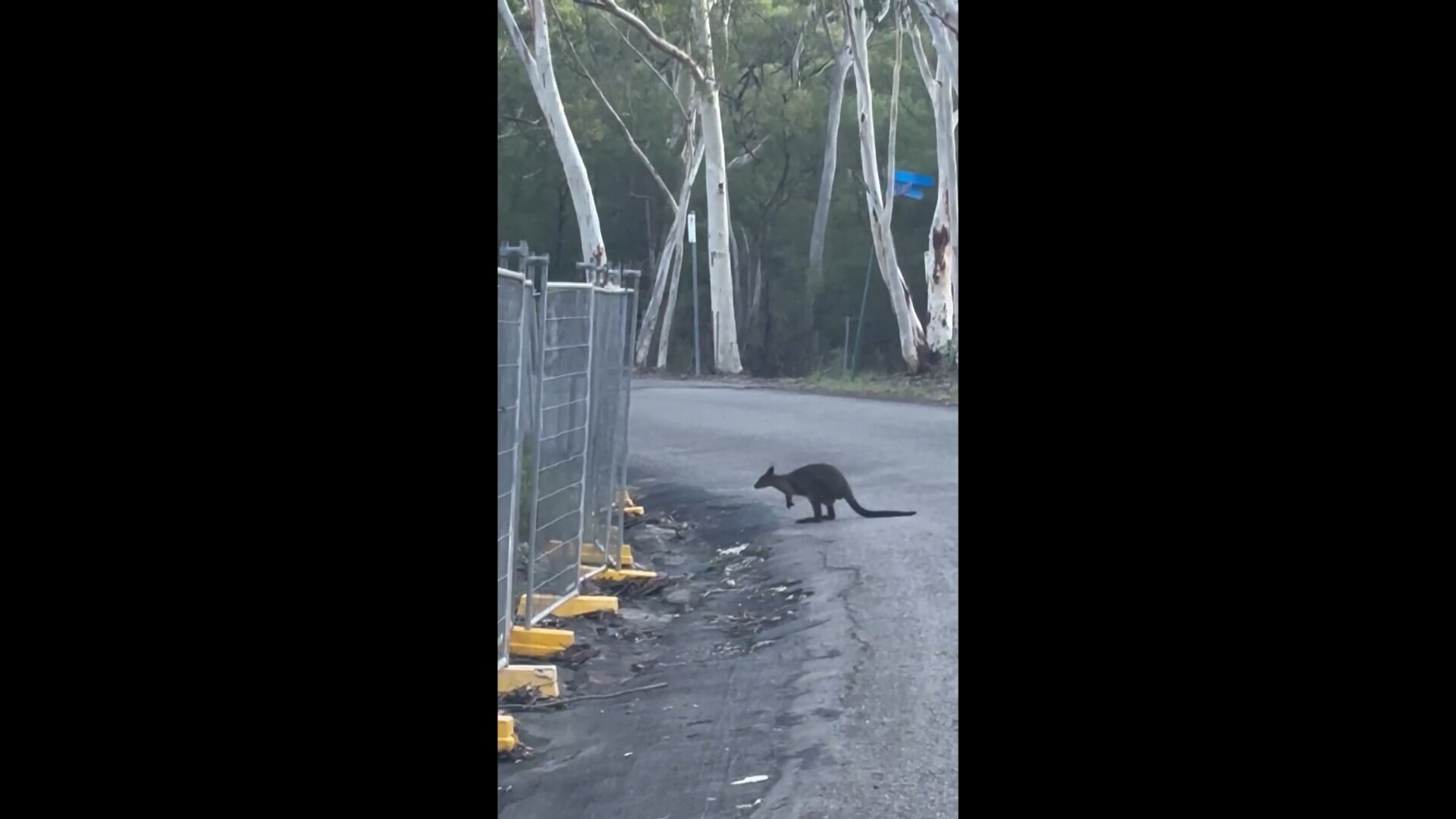
Fred Caterson Action Group founding member Susan Sandercock described the situation as heartbreaking. She highlighted the case of a wallaby that was seen trying to access the now-fenced-off area, which had been its feeding ground and home. “It’s just heartbreaking,” she said.
Sandercock also noted an increase in roadkill incidents, particularly of possums, along nearby Gilbert Road. “This has been almost a weekly or twice-weekly occurrence,” she added. Residents have also reported seeing animals trapped within the enclosed area, which Sandercock claims exceeds the approved 6.8 hectares.
The council stated that the fencing was implemented for safety reasons and that wildlife passage was considered during the planning process. However, the contractor, Glascott, declined to comment on the matter, directing questions to the council.
Changes in Local Ecosystem
Marian Tonkin, a long-time resident of the area, has observed significant changes since the fencing was installed. She mentioned encountering various animals, including red-bellied black snakes, possums, and brush turkeys, on her property. “It’s absolute silence now,” she said, noting the absence of the once-common calls of powerful and barking owls.
The Review of Environmental Factors (REF) document identified 317 trees for removal, including 28 dead ones. Five trees with hollows suitable for owls were also earmarked for removal, with plans to replace them with nest boxes. Narla Environmental conducted assessments, including owl surveys in May 2023, but the findings indicated that some hollows may not have been occupied at the time of the survey.
Legal Challenges and Ongoing Concerns
Fred Caterson Champions Incorporated has taken legal action against the council, alleging that environmental impacts, including the effects of lighting on owls, were not adequately considered. A previous court injunction to halt the works was dismissed.
Local volunteer WIRES rescuer MJ, who has worked for 10 years, reported a surge in calls regarding injured or dead swamp wallabies following the fencing. She described the injuries caused by the fence, including facial trauma and broken necks. “Sometimes they hit the fence so hard they break their necks,” she said.
The council acknowledged receiving three requests about dead animals near the reserve in the weeks after the preliminary works began, compared to four over a similar period in 2025. They emphasized that mitigation measures, such as tree protection zones and ecological supervision, are in place.
Future Plans and Environmental Commitments
The development of the three fields is expected to be completed by spring 2027, weather permitting. The council has outlined habitat improvements, including nest boxes and bushland regeneration, supported by a five-year Biodiversity Management Plan.
Despite these efforts, concerns about the impact on local wildlife continue to grow. As the project progresses, the balance between urban development and environmental preservation remains a pressing issue for the community.