Understanding the Grocery Shopping Landscape
Aussie shoppers are increasingly focused on saving money at the checkout, but despite their best efforts, the cost of weekly grocery shopping continues to rise. This has led many to question: what is the most effective way to save?
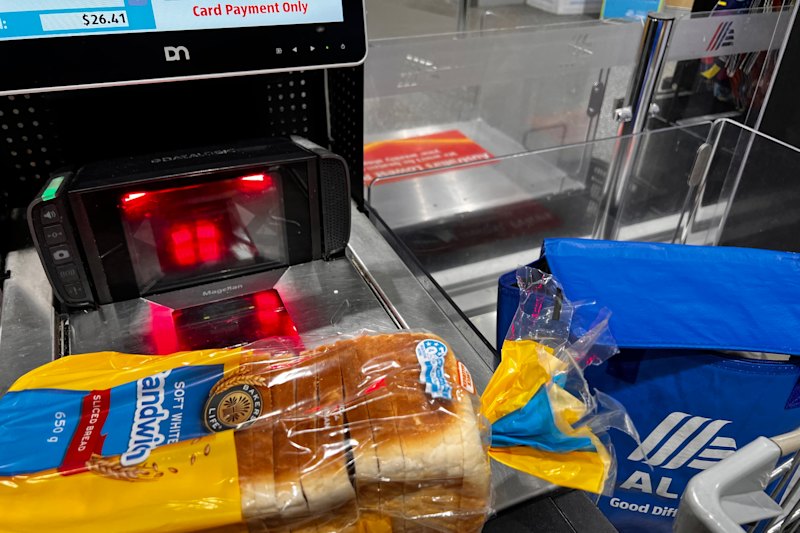
To explore this, I conducted a basket comparison of seven commonly purchased staples across four major supermarkets: Coles, Woolworths, Aldi, and Harris Farm Markets. The goal was to determine which supermarket offers the best value for money.
The selected items were: 2L milk, a dozen eggs, sliced white bread, a whole raw chicken, spaghetti, butter, and four bananas. I visited my local Coles, Woolworths, and Aldi stores in Baulkham Hills, Sydney’s West, as well as my nearest Harris Farm Markets in Dural. It was important to conduct this comparison in person because store-specific stock and pricing can differ from online listings.
This hands-on approach revealed some unexpected insights. For example, the availability of certain products can significantly affect the final price. If a more affordable option isn’t in stock, shoppers may be forced to purchase a pricier alternative. This is a common challenge faced by many when trying to save at the supermarket.
Including whole chickens and bananas was particularly challenging due to variations in weight. I made an effort to select items of similar weight to ensure a fair comparison. What I found was that Aldi offered the lowest prices overall, followed by Coles, then Woolworths, and finally Harris Farm Markets.
Harris Farm Markets, while known for its fresh produce, tends to be more expensive for other grocery items. This is likely due to their focus on fruits and vegetables, rather than a wide range of general groceries.
In addition to comparing total prices, I also looked at per unit pricing for each item. This analysis showed that Woolworths was the cheapest overall due to a special discount on whole chickens during the weekend. Following Woolworths were Aldi, Coles, and Harris Farm Markets.
Key Takeaways from the Comparison
This experience highlighted the importance of understanding the unique pricing and promotions of local supermarkets. Each store has its own set of markdowns and discounts, and by shopping at multiple locations, you can take advantage of these deals.
For instance, Coles and Woolworths often have different promotions, and Aldi consistently offers competitive prices. By planning your shopping trips strategically, you can maximize your savings.
Some key strategies include:
- Visiting multiple stores to compare prices and find the best deals
- Keeping an eye on weekly specials and promotions
- Being flexible with your choices if a cheaper item is not available
By staying informed about the rhythms of your local supermarkets, you can make more informed decisions and reduce your grocery expenses.
Final Thoughts
While the results of this comparison are based on the specific products and prices available at the time of shopping, they provide a useful insight into the current grocery market. It’s worth noting that prices can vary depending on location, so it’s always a good idea to check local stores for the best deals.
An earlier version of this article contained an incorrect price for an Aldi chicken, which affected the total basket cost. Once this error was corrected, Aldi was confirmed as the cheapest option in the comparison.
In conclusion, the key to saving money on groceries lies in being proactive, informed, and flexible. By understanding the pricing structures of different supermarkets and taking advantage of their promotions, you can make significant savings on your weekly shop.