Even individuals who consume five portions of fruits and vegetables daily might be missing out on a crucial nutrient, according to recent research. The study highlights that less than one in five people achieve adequate levels of flavanols in their diets. However, incorporating foods such as blueberries, plums, blackberries, broad beans, cherries, and green tea into meals can significantly enhance the intake of this essential nutrient.
Flavanols, which are found in berries and dark chocolate, are a type of antioxidant known for supporting heart health and improving circulation by reducing inflammation. Dr Javier Ottaviani, the lead researcher of the study, explained: “Flavanols can significantly lower the risk of dying from cardiovascular disease, but only when consumed in sufficient quantities. Many people believe that eating plenty of fruits and vegetables is enough, but our research shows that the specific choices made matter more than the total amount. Adding a handful of blackberries, a whole apple, or a cup of green tea with a meal can make a real difference in how much of these beneficial compounds are actually consumed and absorbed.”
A study published in the journal Food and Function examined the diets of 30,000 people from the US and UK, revealing that most individuals do not meet the recommended daily intake of 500mg of flavanols. A large clinical trial conducted by researchers at Harvard found that consuming 500mg of flavanols daily significantly reduced the risk of dying from heart disease. However, most people fail to reach this level.
The following foods have the highest flavanol content per portion:
- Plums (500g, roughly one punnet): approximately 450mg of flavanols
- Cranberries (250g, roughly one punnet): approximately 300mg of flavanols
- Blackberries (200g, roughly one punnet): approximately 250mg of flavanols
- Green tea (one 250ml cup): approximately 200mg of flavanols
- Broad beans/fava beans (80g, a small handful): approximately 140mg of flavanols
- Cherries (400g, roughly one punnet): approximately 130mg of flavanols
- Apples with skin (200g, one medium apple): approximately 110mg of flavanols
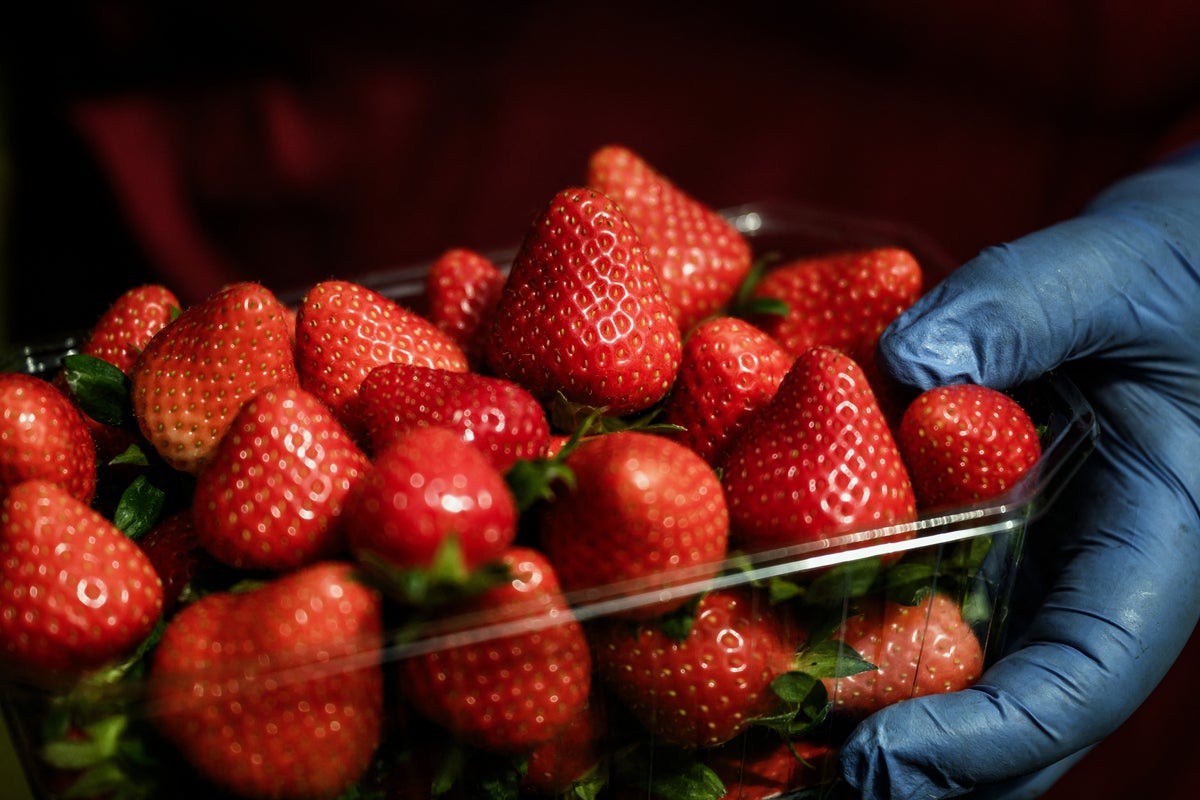
- Strawberries (200g, roughly one punnet): approximately 90mg of flavanols
- Blueberries (150g, roughly one punnet): approximately 80mg of flavanols
- Pinto beans (40g, two tablespoons dry): approximately 70mg of flavanols
Professor Gunter Kuhnle from the University of Reading stated: “Five-a-day is a good message, but we may need to consider which five items are chosen more carefully. Different fruits and vegetables offer various nutritional benefits beyond vitamins and minerals, and as our understanding of these compounds expands, there is an opportunity to make dietary guidance more precise and effective.”
Researchers from the University of Reading, Harvard Medical School, and the University of California in Davis have been conducting flavanol studies in collaboration with Mars Inc, a major chocolate manufacturer exploring cocoa flavanol supplements. While some small trials suggest that flavanols can positively affect blood pressure, there is currently insufficient evidence to support the claim that increasing flavanol-rich food consumption has significant health benefits.
Naveed Sattar, professor of cardiometabolic medicine at the University of Glasgow, advised that people should be encouraged to eat more fruits and vegetables, but not solely for their antioxidant properties. “The main reason for this recommendation remains to increase fibre intake, which has a stronger and more consistent evidence base. At present, there is not enough justification to focus specifically on flavonoid-rich foods,” he said.
From news to politics, travel to sport, culture to climate – The Independent offers a range of free newsletters tailored to your interests. To find the stories you want to read, and more, in your inbox, click here.