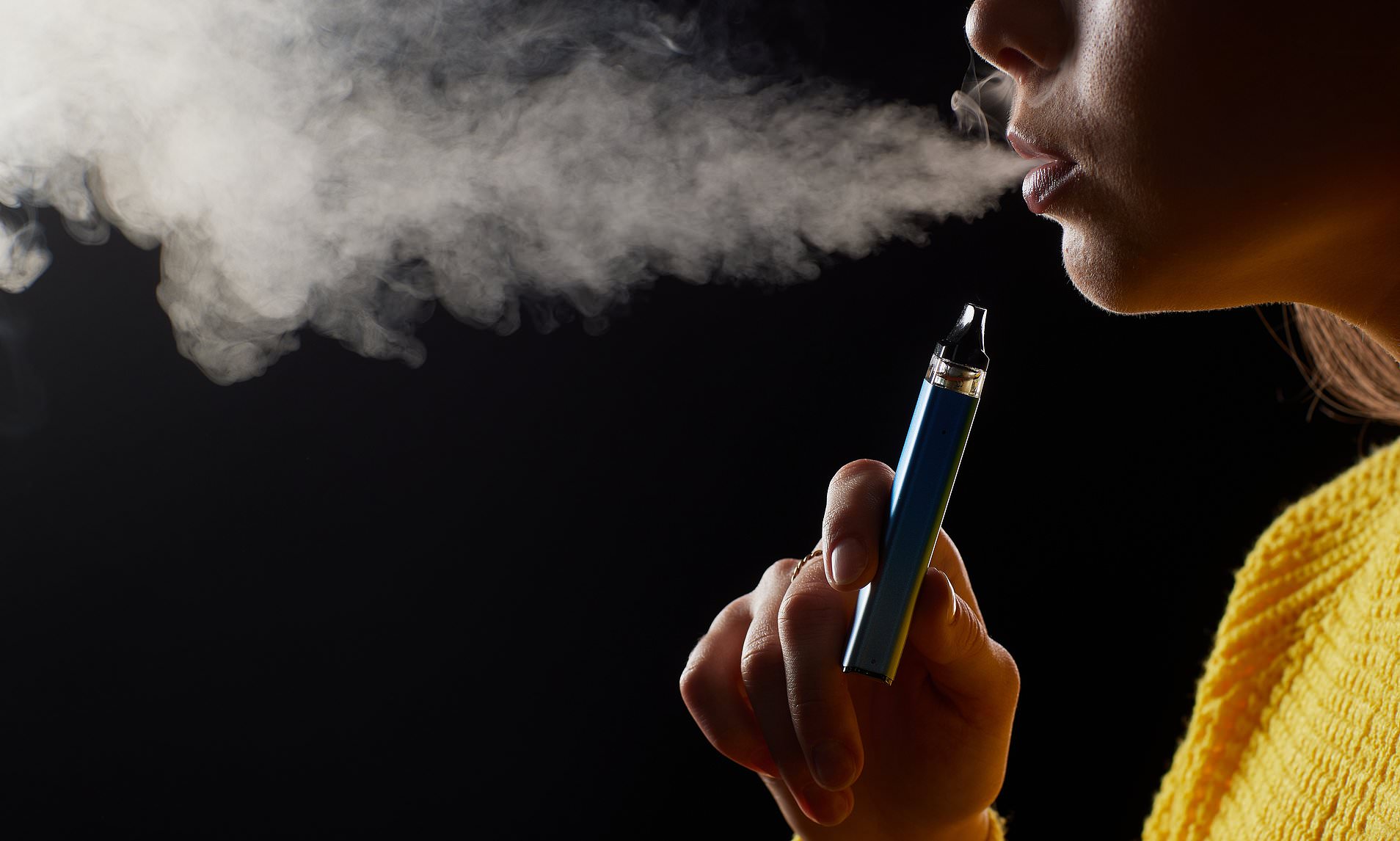
New Research Challenges Perceptions of Vaping as a Safe Alternative
Recent studies have raised concerns about the effectiveness of e-cigarettes as a tool for reducing the risk of lung cancer. While vaping is often promoted as a safer alternative to traditional smoking, new research suggests that it may not significantly lower the risk of this deadly disease.
The study, which involved over 4.5 million ex-smokers, compared the lung cancer risks between individuals who completely quit smoking and those who switched to vaping. The results revealed that those who vaped had a higher likelihood of developing lung cancer and dying from it than those who stopped smoking without using e-cigarettes.
Dr Yeon Wook Kim, the lead author of the study and an expert in lung cancer risk reduction, highlighted that while e-cigarettes are considered a safer option, increasing evidence shows they are associated with adverse outcomes in lung health, including chronic obstructive pulmonary disease (COPD), asthma, and lung cancer.
Understanding the Risks of Vaping
Given the long time lag between carcinogenic exposure and cancer development, establishing a clear link between vaping and lung cancer has been challenging. To address this, researchers focused on individuals at high risk of lung cancer. Participants were selected based on their significant cigarette exposure, making them up to 30 times more likely to develop the disease than never-smokers.
Using data from the South Korean National Health Insurance Service database, the team analyzed the impact of vaping on those who used e-cigarettes to quit smoking versus those who quit entirely. The findings showed that those who switched to vaping had a higher risk of developing and dying from lung cancer compared to those who quit completely.
Participants were grouped based on factors such as pack years, duration of quitting, and vape use. Those who took up vaping after smoking tended to be younger, with fewer pack years and fewer health problems. During the study, 35,887 participants were diagnosed with lung cancer, 110,346 died from any cause, and 12,807 died specifically from lung cancer.
The link was most pronounced among high-risk individuals aged 50-80 with 20 or more pack years. Researchers attributed this to airway inflammation and changes in DNA, which can increase the risk of cell malfunction linked to cancer.
The Broader Implications of Vaping
Despite these findings, vaping still offers some health benefits compared to traditional smoking. Vape-users were in significantly better health than current smokers, suggesting that the overall health benefits of quitting cigarettes are not entirely negated by vaping. The longer people remained smoke-free, the lower their risk of lung cancer, regardless of e-cigarette use.
However, among ex-smokers over the age of 50, the risk of all-cause mortality did not differ significantly between those who started vaping and those who quit completely. This indicates that the risks of vaping may vary depending on individual circumstances.
The highest risks are observed in individuals who smoke both traditional cigarettes and use vapes, which affects roughly half of the smoking population. This combination has been estimated to increase the risk of lung cancer four-fold.
Expert Opinions and Future Directions
Professor Peter Hajek, an expert in clinical psychology and lifestyle research, acknowledges that lung cancer risk decreases over time but raises concerns about the interpretation of the study’s results. He points out that non-vapers in the study had been smoke-free for decades longer than vapers, which could influence the findings.
Additionally, he notes that some vapers with lung cancer may have taken up vaping after being diagnosed, which could affect the study’s conclusions. He warns against misinterpreting the results as suggesting that vaping causes lung cancer, as this could discourage smokers from switching to a less risky product.
Addressing the Need for Better Smoking Cessation Strategies
Lung cancer remains a major public health issue, claiming over 33,000 lives annually in the UK alone. The burden of COPD is also significant. While cigarettes contain numerous toxic chemicals, including nicotine, the most dangerous is tar, which damages the lungs and leads to cancerous changes in cells.
Vapes, on the other hand, do not contain tar or carbon monoxide, which were previously thought to be responsible for the harmful effects of smoking. However, they do contain low levels of toxic chemicals like formaldehyde, which can drive inflammation, oxidative stress, and DNA changes linked to cancer.
In response to these concerns, the government has pledged to use its tobacco and vapes bill to crack down on “irresponsible” vaping practices, including marketing to children and vaping in cars when children are present. The goal is to progressively outlaw smoking and promote healthier alternatives.