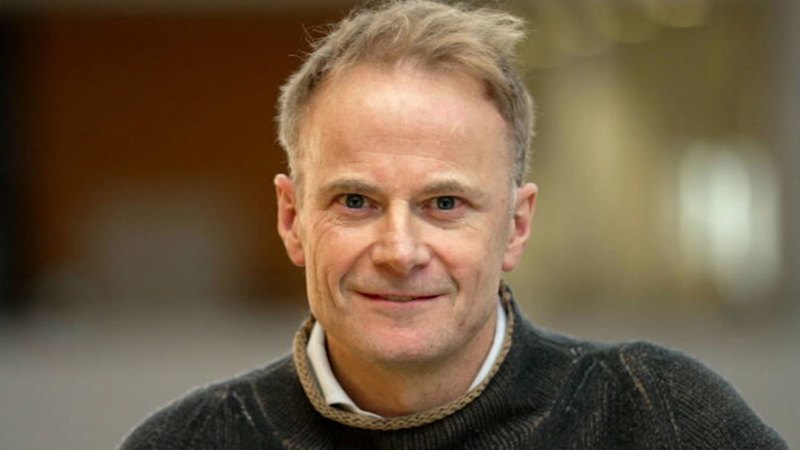
Professor Richard Scolyer, a renowned figure in the field of melanoma research and treatment, has passed away at the age of 59 after a courageous battle with glioblastoma, an aggressive form of brain cancer. His family announced the news on Sunday, expressing their deep sorrow while also celebrating his life and legacy.
Scolyer is survived by his wife, Katie Nicholl, and their three children: Emily, Matthew, and Lucy. Throughout his career, he was known for his groundbreaking work in developing treatments that transformed melanoma from a near-certain death sentence into a manageable disease.
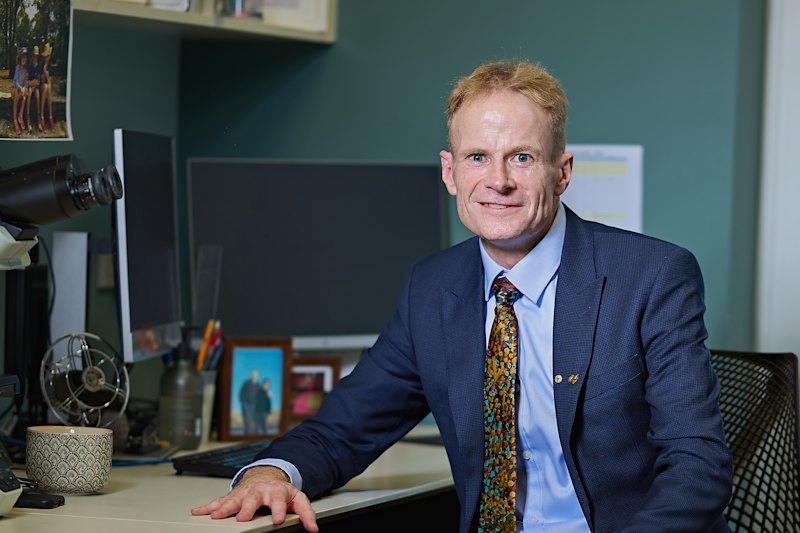
A pathologist by profession, Scolyer dedicated his life to fighting melanoma, which had a nearly 100% mortality rate once it spread beyond the skin. His research played a crucial role in improving survival rates for advanced melanoma patients, increasing the five-year survival rate from less than 5% to over 50% within a decade.
In 2023, Scolyer was diagnosed with glioblastoma after experiencing a seizure during a medical conference in Poland. Rather than following the standard treatment protocol, he opted for an experimental approach based on immunotherapy he helped develop. This made him the first person to receive this treatment for brain cancer, giving him an extra year with his loved ones.
Despite the challenges, Scolyer remained positive and continued to advocate for cancer patients. He shared regular updates about his condition and celebrated small victories, such as scans showing no recurrence of the tumour.
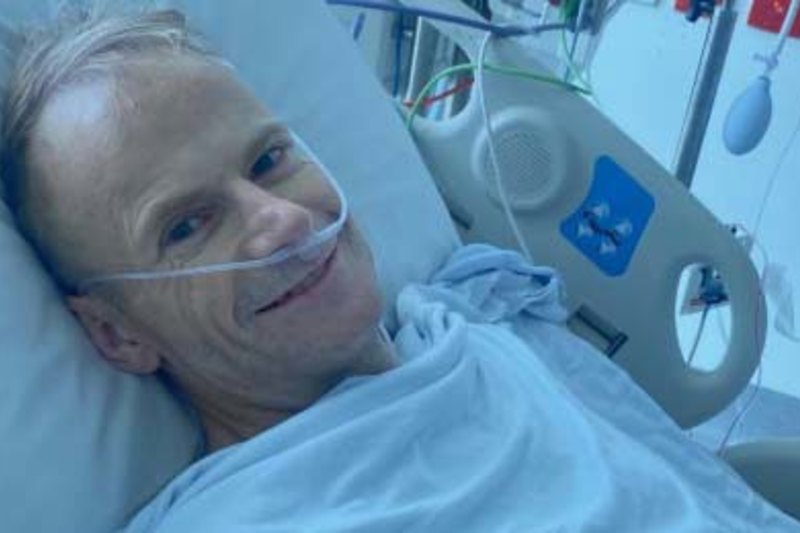
His journey took a difficult turn in early 2025 when the cancer returned. After undergoing complex brain surgery, he expressed his determination to continue fighting, even as the prognosis remained poor. He emphasized the importance of the data generated from his treatment, hoping it would benefit future patients.
Throughout his illness, Scolyer maintained a strong connection with his family, friends, and colleagues. He participated in various events, including ParkRun and the City2Surf, and even received a message from King Charles. Despite his worsening condition, he continued to enjoy time with loved ones, attending significant milestones such as his daughter’s 21st birthday and university graduation.
Early Life
Born on December 16, 1966, in Launceston, Tasmania, Scolyer showed an early interest in medicine. He graduated from the University of Tasmania with a Bachelor of Medical Science in 1987 and a Bachelor of Medicine and Bachelor of Surgery in 1990. He later specialized in pathology and worked at Royal Prince Alfred Hospital in Sydney, where he became a senior staff specialist in tissue pathology and diagnostic oncology.
He also held a conjoint professorship at the University of Sydney. His career reached new heights in 2017 when he became co-medical director of the Melanoma Institute Australia alongside Professor Georgina Long. Together, they led groundbreaking research that significantly improved outcomes for melanoma patients.
Scolyer authored over 916 peer-reviewed publications and was recognized as one of the world’s leading experts in melanoma. In 2021, he was appointed an Officer of the Order of Australia (AO) for his contributions to medicine. In 2024, he and Long were named joint Australians of the Year.
Brain Cancer Diagnosis
In June 2023, Scolyer revealed he had been diagnosed with glioblastoma, an incurable grade 4 brain cancer. Instead of following the traditional treatment plan, he chose to undergo an experimental therapy developed by his colleague, Professor Georgina Long. This involved pre-surgery combination immunotherapy and a personalized anti-cancer vaccine.
Throughout his treatment, Scolyer provided public updates and celebrated each positive scan. However, in February 2025, the cancer returned, requiring complex brain surgery. Despite the grim prognosis, he remained hopeful and proud of the scientific data generated from his treatment.
He appeared on Nine’s A Current Affair to share the heartbreaking news but also emphasized the importance of making the most of life. He continued to engage with his community, attend events, and maintain a positive outlook, even as his health declined.
In April 2026, Scolyer returned to Instagram to update his followers, sharing his struggles with energy levels and memory problems. He thanked his supporters and asked his family to continue sharing his journey.
On May 30, his wife, Katie, posted another update, highlighting the growing challenges and the importance of family and friends during this difficult time.
Before the cancer returned, Scolyer was proud to be part of a research paper published in Nature Medicine, documenting the changes in his brain tumour before and after treatment. He hoped this would lead to clinical trials that could help others.
Scolyer’s legacy will live on through his contributions to melanoma research and his unwavering determination in the face of adversity.