Introduction to the New Bird Flu Strain in Australia
Australia has long anticipated the arrival of a new strain of bird flu, and recent events have confirmed these concerns. The H5N1 strain has now been detected in two different states, raising alarms among wildlife experts and government officials. This development highlights the ongoing challenges posed by migratory birds and the need for vigilant monitoring and preparedness.
First Confirmed Cases in Western Australia
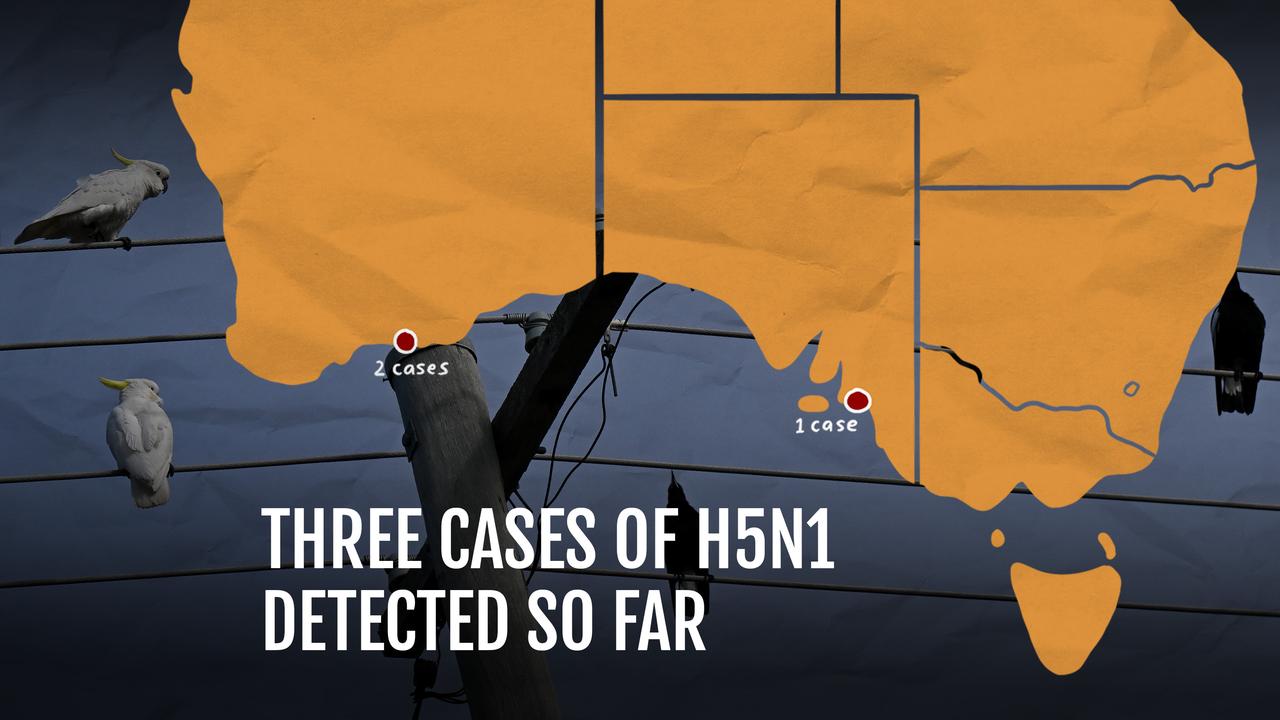
The first two confirmed cases of the H5N1 bird flu were reported near Esperance in Western Australia. These cases have prompted immediate action from local authorities, who are working closely with the poultry industry to ensure that appropriate measures are in place. WA Premier Roger Cook emphasized that while the arrival of the strain was expected, the early detection in Australia is a significant advantage compared to other countries where the disease often spreads unnoticed within the poultry sector.
Lockdown at a South Australian Wildlife Rescue Centre
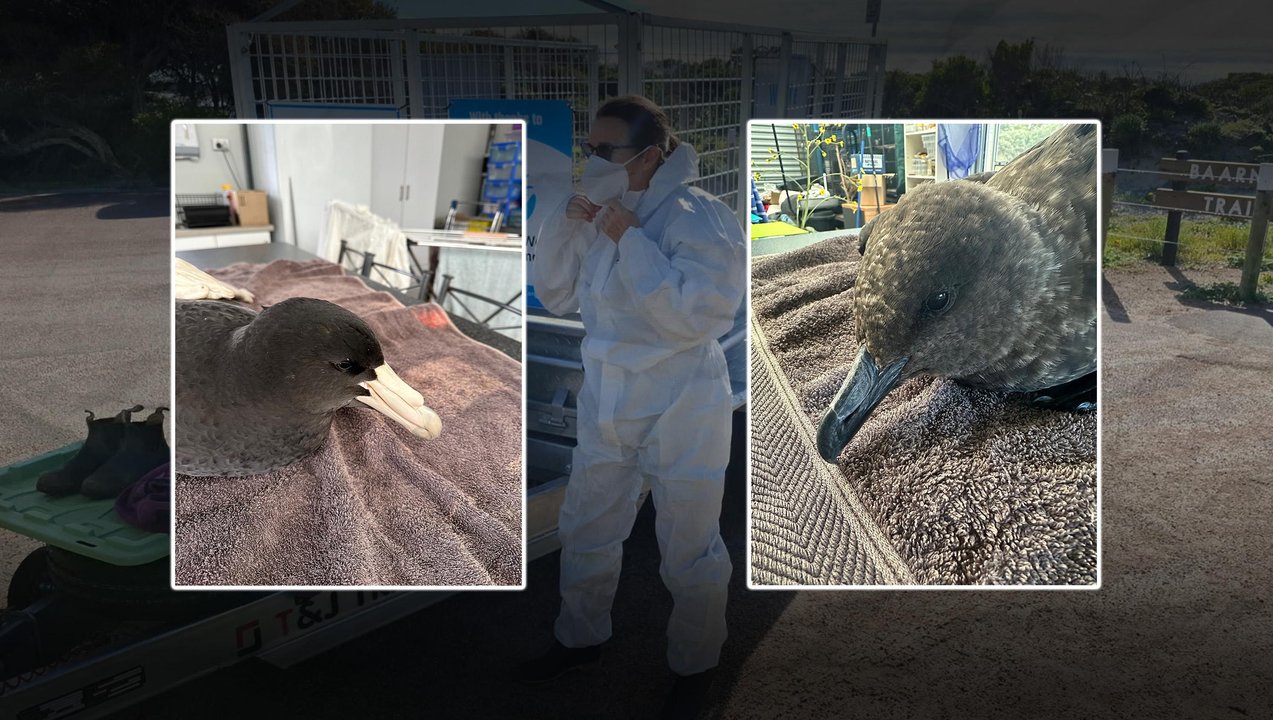
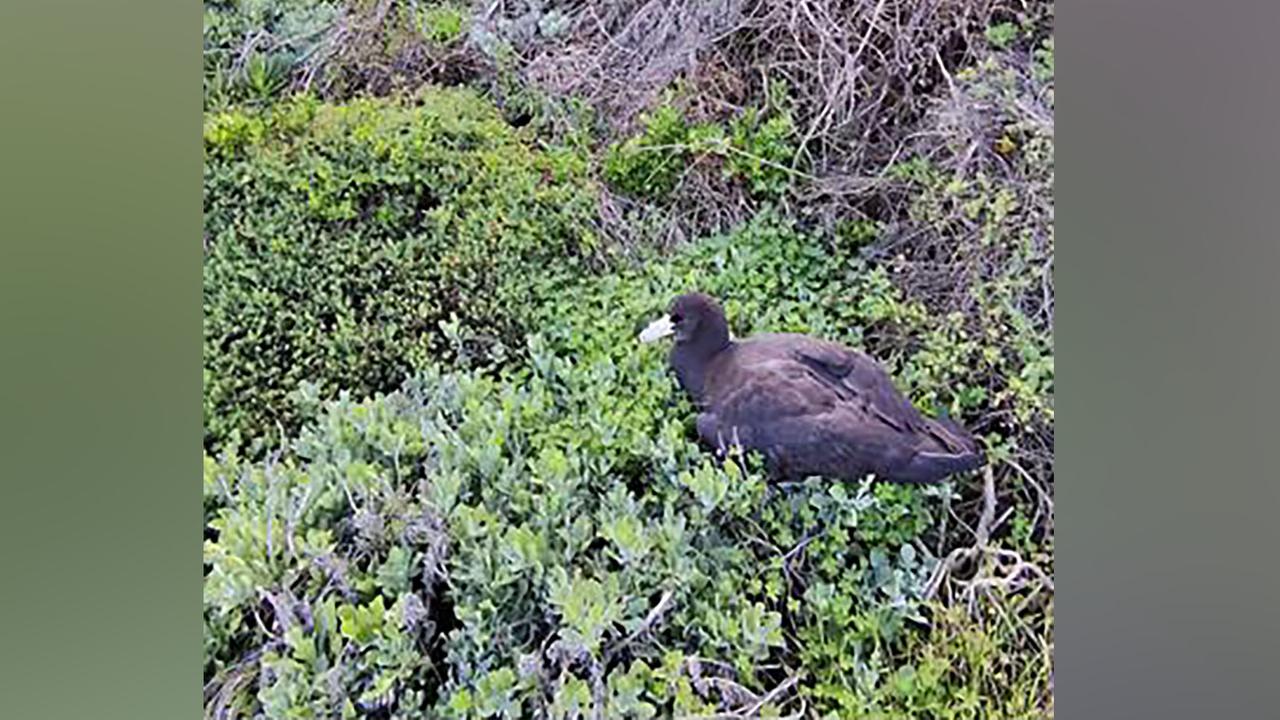
In South Australia, a wildlife rescue centre where a migratory bird tested positive for H5N1 remains under lockdown. This measure is crucial to prevent the potential spread of the virus to other birds and to ensure the safety of the facility’s staff and volunteers. The bird was collected from Knights Beach, approximately 80 kilometers south of Adelaide, on June 14 by volunteers from the Wildlife Welfare Organisation SA.
Monitoring and Testing Efforts
Rescue centre manager Justin Biddle explained that the decision to send samples for testing came after being alerted to the positive cases in Esperance. Despite the bird appearing healthy and thriving in care, the team recognized the importance of thorough testing. Biddle noted that while there hasn’t been a noticeable increase in unwell birds, more cases are likely due to the nature of migratory patterns.
Migratory Birds and the Inevitability of Spread
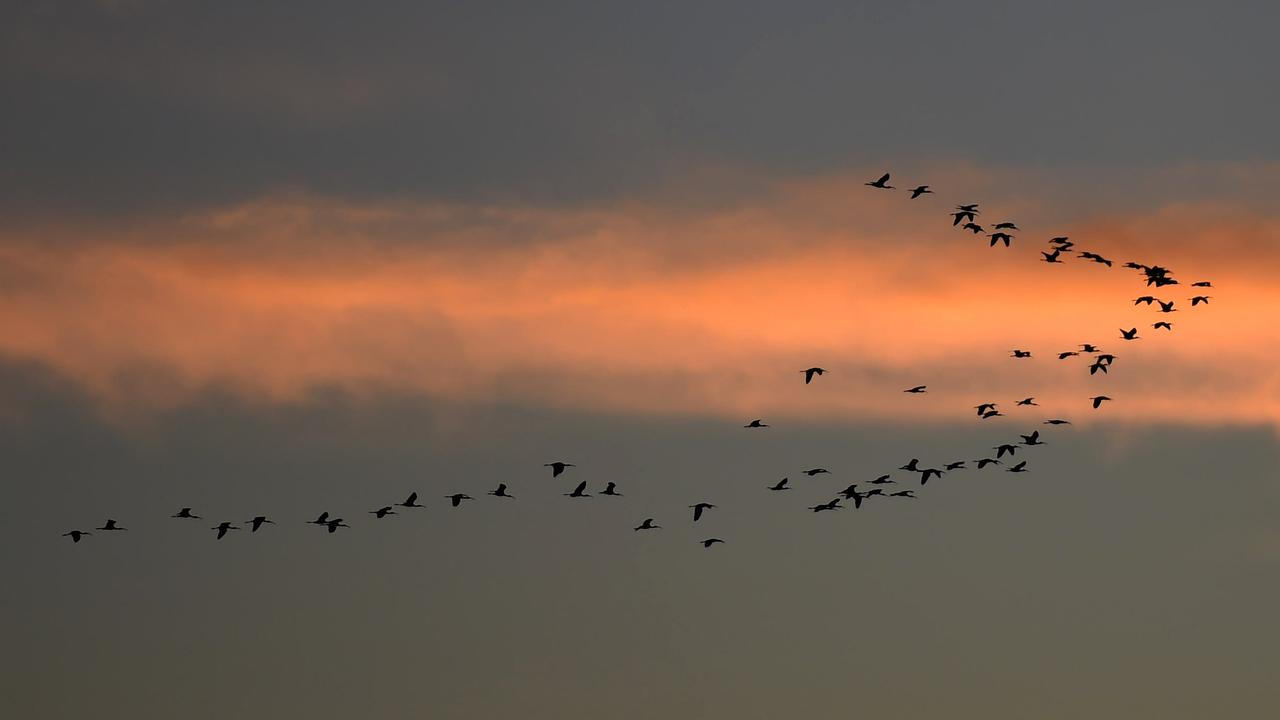
Experts warn that the risk of wild birds becoming infected is not a matter of if, but when. Hugh Possingham, president of BirdLife Australia, highlighted that although the virus may not spread this winter, it could emerge from shorebirds in the next summer. He stressed that the movement of migratory birds across continents makes it inevitable that the virus will eventually reach Australia.
No Threat to Humans
Federal Agriculture Minister Julie Collins reassured the public that there is currently no threat to humans from the H5N1 strain. She emphasized that chicken meat and eggs, when prepared normally, are safe to consume. This statement aims to alleviate public concerns and maintain confidence in the food supply chain.
Increased Surveillance and Reporting
Since the first suspected case of the strain, WA authorities have received nearly 200 reports of sick birds. On Wednesday, another case was confirmed in a southern giant petrel at Quindalup on the South West coast, north of Margaret River. Although the preliminary positive result is yet to be officially confirmed, a sample has been sent for further testing.
Enhanced Monitoring Measures
To combat the spread of the virus, ground-based surveillance and drone surveys are being conducted at sea lion breeding sites along the South Australian coast. Testing frequency has also been increased in high-risk areas to ensure early detection and swift response.
Import Ban Lifted
A temporary ban on all poultry products imported from Australia, imposed by Papua New Guinea’s National Agriculture and Quarantine Inspection Authority on Monday, has now been lifted. This decision reflects the ongoing collaboration between nations to manage the risks associated with the bird flu strain.