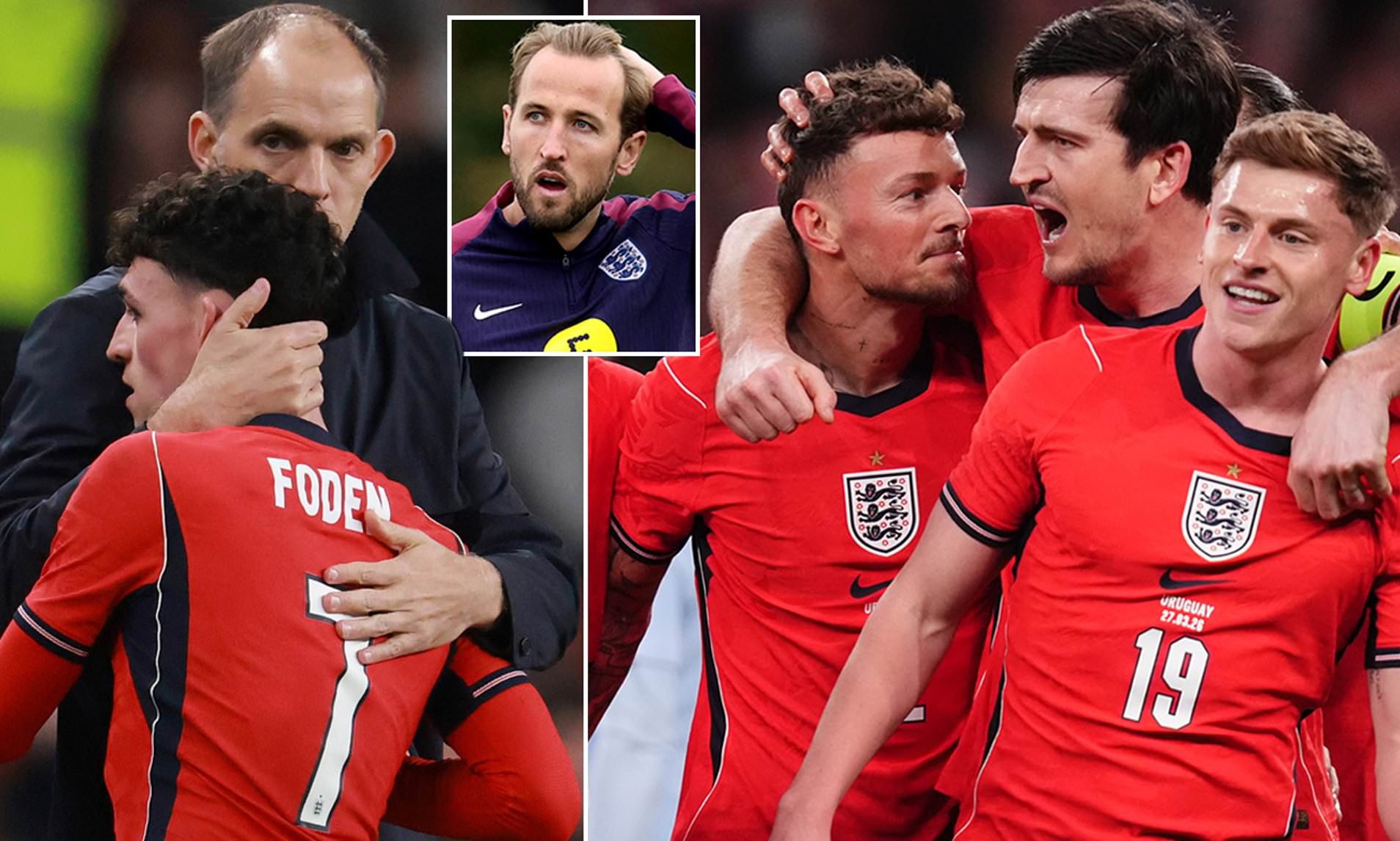
England’s World Cup Aspirations: Key Questions Answered (or Not) in Wembley Draw
The recent international break presented England manager Thomas Tuchel with a crucial opportunity to assess his squad ahead of the upcoming World Cup. Facing off against Uruguay and Japan in friendly encounters, the Three Lions had a chance to iron out lingering doubts and solidify their tactical approach. Following a hard-fought 1-1 draw against Marcelo Bielsa’s Uruguay at Wembley, Football Editor Ian Ladyman dissects the key questions Tuchel faced and the solutions, or lack thereof, that emerged from the laboured performance.
The Ben White Conundrum: World Cup Bound or Left Behind?
One of the most pressing questions surrounding England’s potential World Cup squad revolves around the inclusion of Arsenal defender Ben White. While his versatility is undeniable, his outing against Uruguay raised significant concerns. If White were unequivocally England’s standout right-back, his past indiscretions might be overlooked. However, the reality is more nuanced. His performance in a brief but telling 25-minute spell at Wembley highlighted the risks associated with selecting him.
Remarkably, the match saw a player booed after scoring an international goal – a peculiar and unsettling spectacle. White himself appeared understandably bewildered, having likely not anticipated a call-up, let alone finding the back of the net. Tuchel, known for his ability to navigate the emotional landscape of international football, faces a clear challenge in bridging the apparent disconnect between White and a segment of the England fanbase.
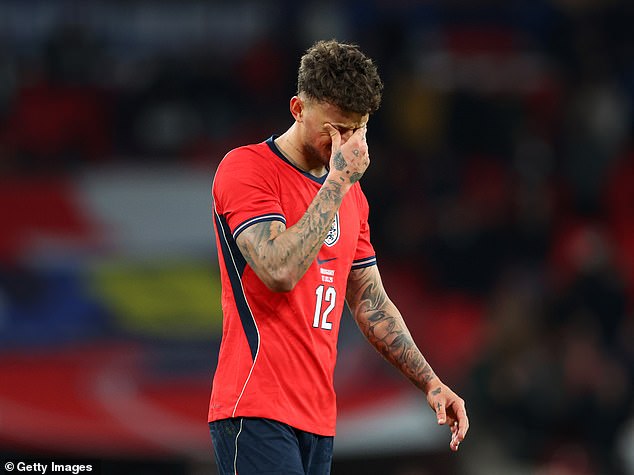
A portion of supporters remain unforgiving for his early departure from the Qatar 2022 camp. While sympathy for a young player in such a situation is understandable, the potential for a divisive figure to disrupt a seven-week tournament campaign is a factor Tuchel and his squad would likely prefer to avoid. With Reece James, England’s first-choice right-back, currently sidelined, and other options like Tino Livramento and Djed Spence in contention, along with the versatility of John Stones, Ezri Konsa, and even Trent Alexander-Arnold in Madrid, the necessity of taking Ben White to the World Cup appears increasingly questionable.
Navigating the Crucial Moments: Can England Triumph Under Pressure?
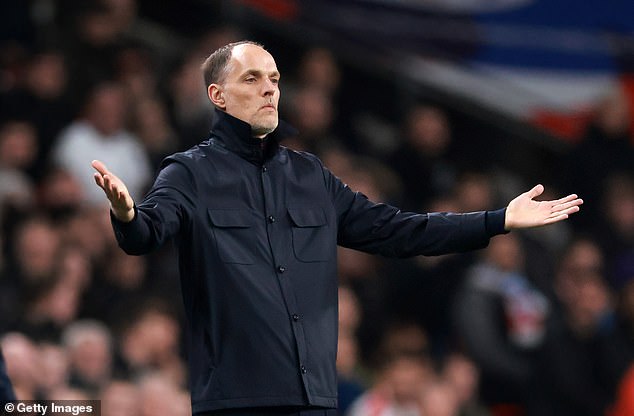
Despite the aesthetically uninspiring nature of the match, the encounter with Uruguay served as a realistic, albeit dour, World Cup warm-up. The tempo mirrored that expected in America, particularly during the group stages where opponents are likely to adopt a deep defensive posture to frustrate England, much like Bielsa’s side did. This tactical scenario underscores Tuchel’s emphasis on the importance of set pieces and corners as potential game-changers in tight contests.
Tournament football hinges on the ability to seize pivotal moments, a skill England failed to demonstrate effectively against Uruguay. The team’s remonstrations over the awarded penalty, while understandable from a Premier League perspective, highlight a potential naivety. Referees in World Cup tournaments are typically more stringent regarding contact in the penalty area. This particular decision bore resemblance to the penalty awarded to Harry Kane against Holland in the Euro 2024 semi-final, a stark reminder that Tuchel’s players must anticipate such rulings going against them.
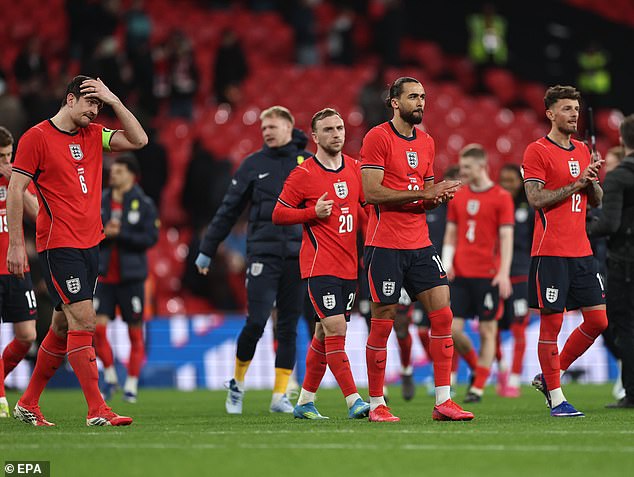
The game only truly ignited in the final ten minutes, with England narrowly avoiding defeat. If this experience isn’t viewed as a valuable lesson, it would be a significant oversight.
Defining England’s Central Defensive Partnership
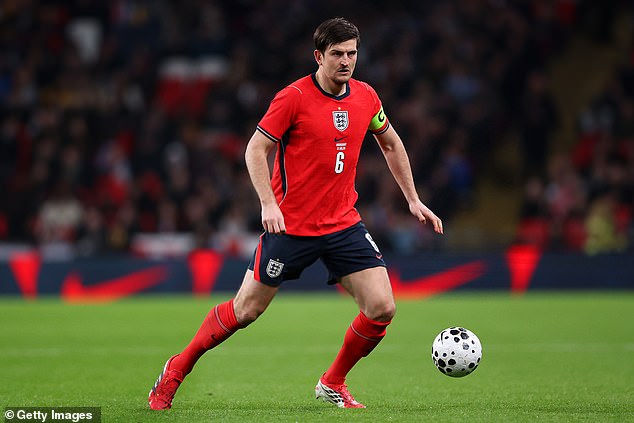
Amidst the squad selection deliberations, Harry Maguire’s recent performances suggest a determined push for a late call-up. His display against Uruguay was reminiscent of a player eager to seize a second chance. It’s difficult to recall Maguire’s England tenure without referencing a particularly difficult evening at Hampden Park in September 2023, where his performance against Scotland cast doubt on his future international prospects.
The 33-year-old has endured a long road back, featuring in only five international matches since that outing and none since September 2024. However, his performance at Wembley was nothing short of magnificent. His often-underestimated ball-carrying ability was on full display, and his presence at set pieces nearly yielded an early goal.
Maguire appears intent on dispelling any concerns Tuchel might have about his ability to adapt to a squad role rather than an automatic starting position. Following Jordan Henderson’s substitution for Adam Wharton at halftime, Maguire donned the captain’s armband for the second period, leading by example with a crucial, game-saving block deep into added time that denied Uruguay a shock winner. He has evidently had an exceptionally strong week.
The Number Ten Dilemma: Who Orchestrates England’s Attack?
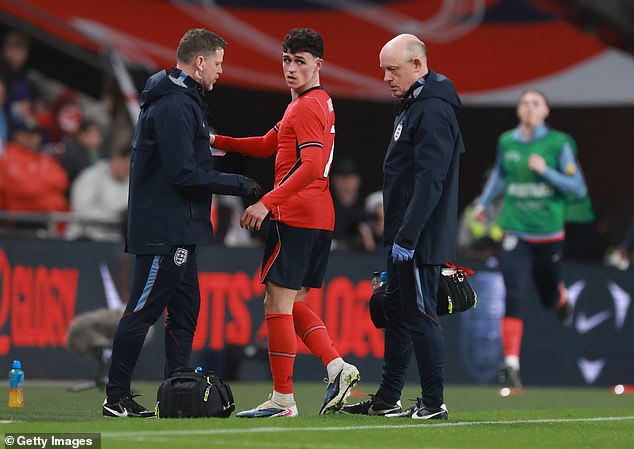
Tuchel had stressed the importance of Cole Palmer seizing his opportunity during this international window, yet he was surprisingly overlooked for the starting lineup. Instead, Manchester City’s Phil Foden was deployed in the number ten role behind Dominic Solanke, delivering an industrious but ultimately mixed performance.
Currently finding himself out of favour at his club, Foden doesn’t seem to possess the same attacking spark and confidence he once did. At times, he appeared to be overexerting himself, dropping deep in search of possession to exert the influence he craves. With the World Cup just three months away, Foden’s versatility remains his strongest asset for securing a place on the plane.
His performance was not aided by a robust early challenge from Uruguay’s Ronald Araujo in the second half, after which Palmer replaced him. Foden faces a critical few months at club level to rediscover his best form.
The Post-Kane Scenario: What Happens Without Their Star Striker?
England captain Harry Kane observed the proceedings from the stands alongside other senior players who would commence their focused training on Saturday for Tuesday’s match against Japan. The performance offered no cause for concern regarding Kane’s indispensable role. The stark reality is that England lacks another world-class number nine.
Tuchel’s options consist of a pool of capable Premier League forwards, but none who can be solely relied upon to deliver consistently at a World Cup. Dominic Solanke, who started the match, had limited service against a disciplined Uruguay defence. He largely faded from the game before being substituted for Dominic Calvert-Lewin with 35 minutes remaining. Calvert-Lewin, within minutes of entering the field, missed a straightforward headed opportunity. The undeniable truth is that the goal threat at the World Cup will need to emanate from other areas of the pitch.
This includes players like Palmer, Jude Bellingham, Morgan Rogers, and Anthony Gordon. On this occasion, England’s most potent attacking force was Marcus Rashford, a player who appears to be thriving on the clear confidence Tuchel has placed in him. He is a certainty for the squad and looks set to compete with Gordon for the starting berth on the left wing.