California Introduces First-in-Nation Label for Ultra-Processed Foods
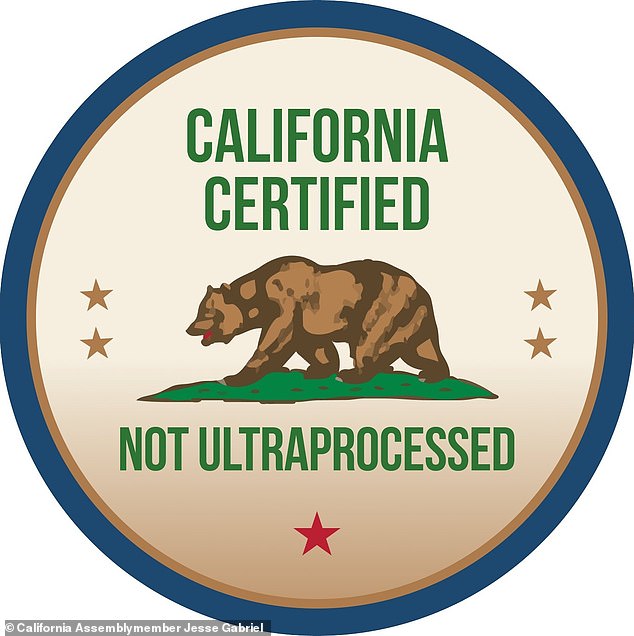
California is set to introduce a groundbreaking label that could significantly impact how consumers choose their groceries. The proposed label, known as “California Certified,” aims to help health-conscious shoppers identify foods that are not ultra-processed. This initiative comes as part of a broader effort to address the growing concerns around the health effects of processed foods.
Under the new plan, products that are not ultra-processed—such as canned beans, yogurt, and sauces made with few ingredients—will be eligible to carry the “California Certified” label. This label will function similarly to the USDA Organic label, providing consumers with clear and trustworthy information about the food they purchase. Additionally, grocery stores would be required to place these approved products in prime locations, such as at the end of aisles, checkout lanes, and store entrances.
What Counts as Ultra-Processed?
Although there is no federal definition for ultra-processed foods, California has developed its own criteria. According to the state’s definition, a food is considered ultra-processed if it contains artificial flavors, colors, emulsifiers, or stabilizers and is high in added sugar, sodium, or fat. This definition is expected to guide the labeling process and help consumers make informed choices.
The bill, named AB2244, was introduced to California’s House last month. If approved, the label would be implemented in 2028. The proposal was put forward by Democrat Congressman Jesse Gabriel, who emphasized the importance of making healthy food choices accessible to all. He stated:
“Parents shouldn’t need a PhD in chemistry to understand what they’re feeding their kids. Like the USDA Organic label, this new seal will empower consumers with clear, trustworthy information and make it easier for them to locate healthier foods that are free from harmful additives.”

Gabriel also highlighted the contrast between California’s proactive approach and the perceived inaction of the federal government. He noted that while Washington DC is paralyzed by inaction, California is stepping up to protect children and address the health risks associated with ultra-processed foods.
Federal Efforts and Research on Ultra-Processed Foods
The initiative comes as the federal government prepares to publish its first-ever definition of ultra-processed foods next month. Robert F. Kennedy Jr., the Health and Human Services Secretary, has also mentioned considering adding front-of-pack nutrition labels to products high in fats, salts, and other nutrients.
According to the CDC, about 55 percent of the calories consumed by Americans daily come from ultra-processed foods. Among children, this figure rises to 62 percent. These foods are often hyperpalatable and easily digestible, and research has linked them to chronic diseases such as obesity, cancer, heart disease, type 2 diabetes, and metabolic problems.
Legislative Process and Industry Response
So far, the bill has been read in California’s House and is now set to be heard by the state’s Health Committee in the coming months. For the bill to become law, it must pass both the House and Senate and then be signed by the Governor. Governor Gavin Newsom’s term ends in January 2027.
Supporters of the bill hope it will encourage manufacturers to use fewer or natural ingredients in their products to qualify for the “California Certified” label. However, representatives of food manufacturers argue that the bill could unfairly single out certain foods and complicate nutrition information. They also point out that there is currently no standardized definition for ultra-processed foods.
Celebrity Support and Previous Legislation
The bill has already attracted celebrity support. Maria Menounos, a former TV host and advocate for the bill, said at a news conference:
“I know a lot of people will say, ‘Well, shop on the outside aisles,’ but not everybody’s there yet. Until they get to that place, there are going to be things in the middle they’re going to want.”
Jesse Gabriel, the bill’s proposer, was also behind California’s “Skittles ban,” which made the state the first in the nation to ban certain food dyes. That ban was passed in October 2023 and is set to take effect on January 1, 2027.
Foods Likely to Be Considered Ultra-Processed
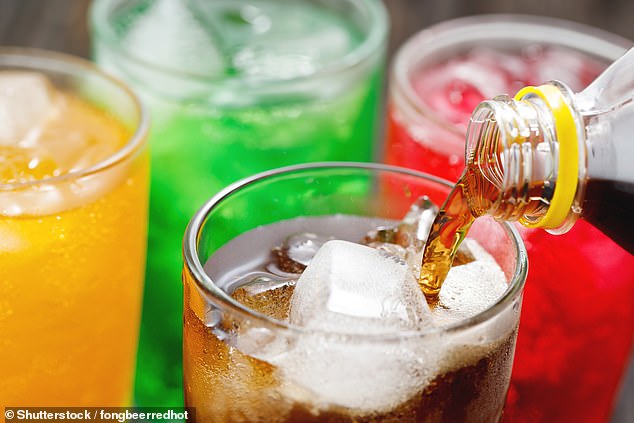
Foods that are likely to be classified as ultra-processed in California include packaged breads, sodas, and potato chips. Even some items generally considered healthy, such as salad kits or dressings, can contain additives that make them ultra-processed.
Members of Congress in California argue that the bill will help address widespread consumer confusion around nutrition labeling and ingredient lists. However, industry representatives remain skeptical, citing the lack of a universal definition for ultra-processed foods.
Future Implications
In addition to the “California Certified” label, the state has taken further steps to address the issue of ultra-processed foods. In October 2025, California signed into law the nation’s first-ever ban on ultra-processed foods being served in school meals.
As the debate continues, the potential impact of this legislation on consumer behavior, food manufacturing practices, and public health remains to be seen.