
The Impact of the Iran Conflict on Travel Costs
The ongoing conflict in Iran has had a significant impact on global travel, particularly in terms of fuel prices and associated costs. As the situation continues to unfold, various sectors, including aviation, cruises, ferries, and road travel, are experiencing rising expenses that are being passed on to consumers.
Which Flight Fares Are Rising?
Airlines are facing a fuel crisis head-on, with the global average jet fuel price increasing from $95.95 per barrel for the week ending 20 February to $197 per barrel a month later. While many airlines use hedging programs to manage short-term price fluctuations, sharp and continuing increases soon affect profitability. These costs are ultimately passed on to passengers.
According to Willie Walsh, director-general of the International Air Transport Association, “with tight capacity and thin margins, air fares are already rising.” The immediate impact has been on long-haul fares, with airlines like Qantas, Air New Zealand, and Thai Airways increasing long-haul fares by €50 per round-trip. Other airlines are introducing fuel surcharges, such as Cathay Pacific, which is increasing its surcharge by £9.50 on short-haul flights and up to £37.95 for long haul.
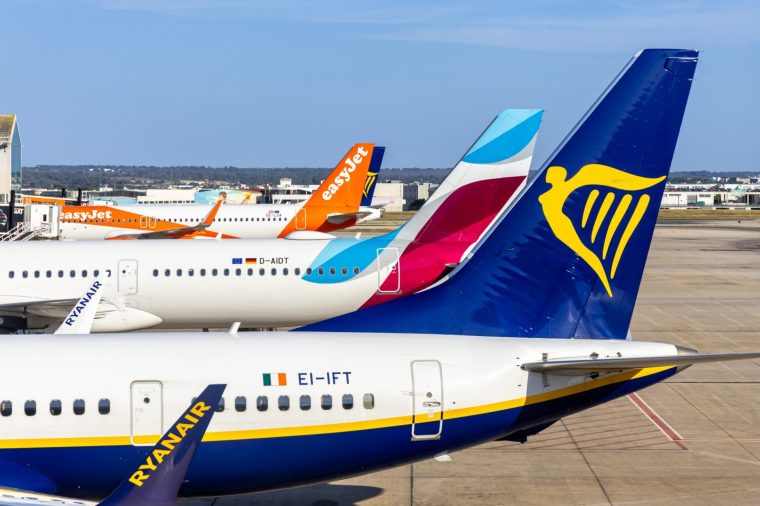
In the US, JetBlue and United Airlines have increased luggage surcharges to keep base fares competitive. Fares also rise when capacity is cut, which has been most dramatic on routes to the Middle East. Virgin Atlantic has axed its year-old service from Heathrow to Riyadh, while more than 1.7 million scheduled seats to Gulf airports were removed in the first three weeks of March.
Further short-haul routes could follow. EasyJet’s CEO, Kenton Jarvis, and Ryanair’s Michael O’Leary have both warned that fares could go up towards the end of the summer if the conflict continues and jet fuel prices remain high.
How to Avoid the Worst Fare Increases
Lower fares between now and the end of summer are unlikely, so locking in now could offer protection from further price rises. There are still plenty of one-way, no-frills fares below £100 on routes between the UK and Mediterranean destinations this summer. Airlines are also moving capacity to alternative routes, such as Virgin Atlantic increasing the frequency of flights between Heathrow and Montego Bay in Jamaica, Bangalore and Mumbai in India, and Las Vegas.
If capacity is cut on key European routes, it is likely to be on high-frequency services such as between London and Dublin, Amsterdam, Madrid, Paris, Lisbon, Zurich, Frankfurt, and Edinburgh.
Package holidays offer financial protection and assistance if an element of your trip – such as the flights – fails to be delivered.
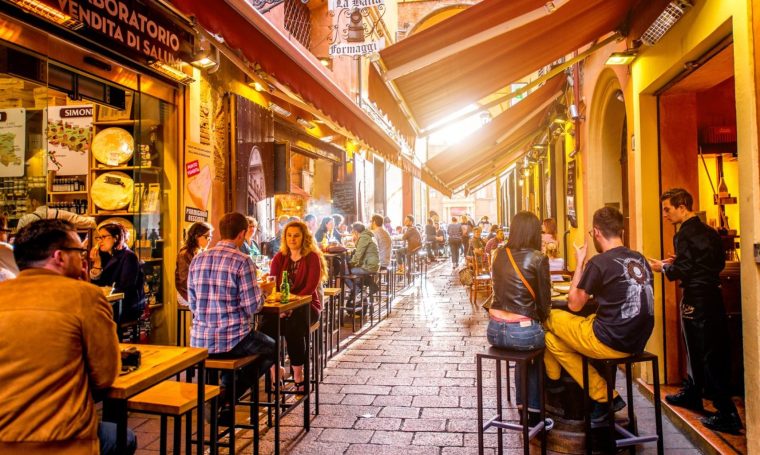
You could also look at less popular routes for competitive fares, such as Bologna as an alternative to Venice and Rimini on Italy’s Adriatic coast. Track prices with tools on comparison sites such as Skyscanner, Google Flights, and Air Hint.
Another cost to consider is air passenger duty, which increased this week. You can avoid the tax by flying from Inverness and other Highlands and Islands airports in Scotland, or fly long-haul from Europe – you’ll need to buy tickets separately to avoid it though, so look for a cheap fare to a European hub then start your long-haul trip from there.
How Are Package Holiday Prices Increasing?
With component parts exposed to higher operating costs, package holiday prices are also at risk. Recent data from hotelplanner.com shows that hotel bookings in Europe were up by 37% year on year in March, with average nightly room rates up by 42%.
Under UK law for package holidays, travel companies have the right to add up to 8% to the cost of a trip for costs such as fuel, taxes, and exchange rates. These charges can only be added up to 20 days before a trip and if the potential increase was stipulated in the holiday contract. Customers have the right to cancel the trip and receive a full refund if the cost increase is higher than 8%.
However, some companies have guaranteed that they won’t add surcharges to the costs of holidays. Among them are BA Holidays, On the Beach, Trailfinders, Destination2, Kuoni, Jet2holidays, and Olympic Holidays. Check the terms and conditions of your tour operator before booking, or contact them directly to check their policy on surcharges.
How to Avoid Higher Package Prices
Book with a tour operator or online travel agent that has guaranteed it won’t pass on surcharges to customers. Last-minute bookings can help you avoid the potential 8% price increase with other operators as increases due to fuel, taxes, or exchange rates must be made at least 20 days before departure.
Booking with a credit card offers additional protection. Under the consumer credit act, a credit card company and package holiday provider are jointly liable if the provider breaches its contract and refuses to offer a refund.
How Are Cruise Costs Rising?
Like airlines, cruise lines hedge fuel costs in advance. Ambassador Cruise Lines has said that its fuel is fully hedged for its programmes this year and in 2027 and it has no plans to introduce fuel surcharges. However, it warns that prices for Spain have increased by as much as 15% and with demand shifting away from eastern Mediterranean ports, dwindling availability and fuel costs are expected to feed into higher prices later this summer.
Ambassador is among several lines that operates no-fly cruises from British ports, but others are more exposed to the Iran conflict. Celestyal, for example, has cancelled all its sailings this month since its fleet is in the Arabian Gulf and waiting to reposition to Greece.
Tui has two ships waiting to reposition from the Gulf to the Mediterranean and MSC Euribia is also waiting to leave the Gulf. MSC World Europa will be redeployed from the Gulf to the Caribbean for winter.
While no cruise lines in the UK, Europe, or the US have increased fares or added fuel surcharges, these extra fees are written into the small print of most contracts, meaning they could be passed onto passengers if the crisis drags on.
How to Avoid Rising Cruise Costs
Booking ahead can offer peace of mind, but check the small print – a fuel surcharge could be added after you’ve paid if fuel costs continue to rise. Cruise lines such as Norwegian and Royal Caribbean reserve the right to add fuel surcharges to bookings if oil prices rise above a certain amount, although they must make these price changes at least 20 days before the departure date.
There is specialist cruise insurance that covers, for example, being confined to your cabin due to illness, missing a departure from a port call, or loss of luggage, but none that covers fuel surcharges.
With high demand in the western Mediterranean, looking further afield could also shield passengers from the impact of higher costs. For example, the Canary Islands, West Africa, and Northern Europe. No-fly cruises from UK ports can mitigate flight disruption, and all-inclusive cruises such as Regent Seven Seas, Marella, Scenic, and MSC can offer peace of mind with an up-front cost (though bear in mind fuel surcharges could be added retrospectively).
How Are Ferry Fares Going Up?
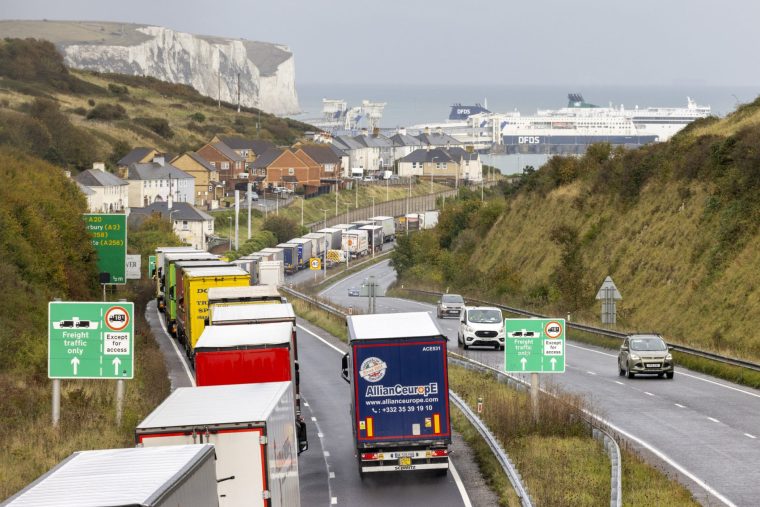
P&O Ferries has introduced fuel surcharges in addition to the compulsory ETS carbon tax, on all its ferry services. This is £7.50 per vehicle on the Dover-Calais route and £2 for foot passengers and is reviewed weekly.
Fuel surcharges are hitting freight routes elsewhere, which suggests they could eventually hit more passenger routes. Isle of Wight ferry operator Red Funnel last increased fares in 2022, citing increased fuel and supply chain cost, but has yet to do so this year.
How to Avoid Ferry Fare Increases
Opt for a line that hasn’t introduced the surcharges. If crossing the Channel, compare prices between ferries and LeShuttle.
How Is the Cost of Driving Going Up?
Petrol is almost 30p more expensive per litre than it was last summer, and still rising. Panic buying and distribution issues have also resulted in some pumps temporarily running dry.
If you’re planning to drive on the continent, hundreds of petrol stations in France have experienced supply problems after price caps triggered a rush of demand, mostly at TotalEnergies stations. Unleaded petrol costs on average £1.75 per litre and diesel £1.90 in France, according to RAC figures.
The most expensive pumps in Europe are in the Netherlands (£2.03/£2.14), followed by Denmark, Germany, Finland, Greece, and then France. Italy is marginally cheaper than the UK at £1.51 per litre of unleaded, while Spain is around £1.35 per litre.
How to Avoid the Rising Cost of Petrol
To reduce fuel consumption, cut down drag by removing roof boxes and roof-mounted racks, and on long-distance journeys aim to drive more slowly, ideally at between 45-50mph. The RAC recommends driving in the highest gear possible for the speed limit, to keep revs and fuel consumption to a minimum.
Keeping windows shut and avoiding air conditioning and heating can also make a trip more efficient, as well as ensuring tyre pressure is optimised.
When buying petrol, use real-time price comparison sites such as Fuel Finder or the MyRac app for the cheapest available fuel near you.
Most car rental portals now include a filter for hybrid and EVs. Apps such as Zapmap and Chargemap show the location, type, and availability of chargers. There are now more than 118,000 public chargers available in the UK, according to the Department for Transport – nearly twice as many as fuel pumps.
Alternatively, consider the train. Trainline has seen a surge in Easter bookings for seaside destinations such as Paignton, Newquay, and Whitby. For longer distance journeys, try a split ticketing app such as TrainSplit, which can reduce the cost of fares by up to 40 per cent.