Impact of Junior Doctors’ Strikes on the NHS
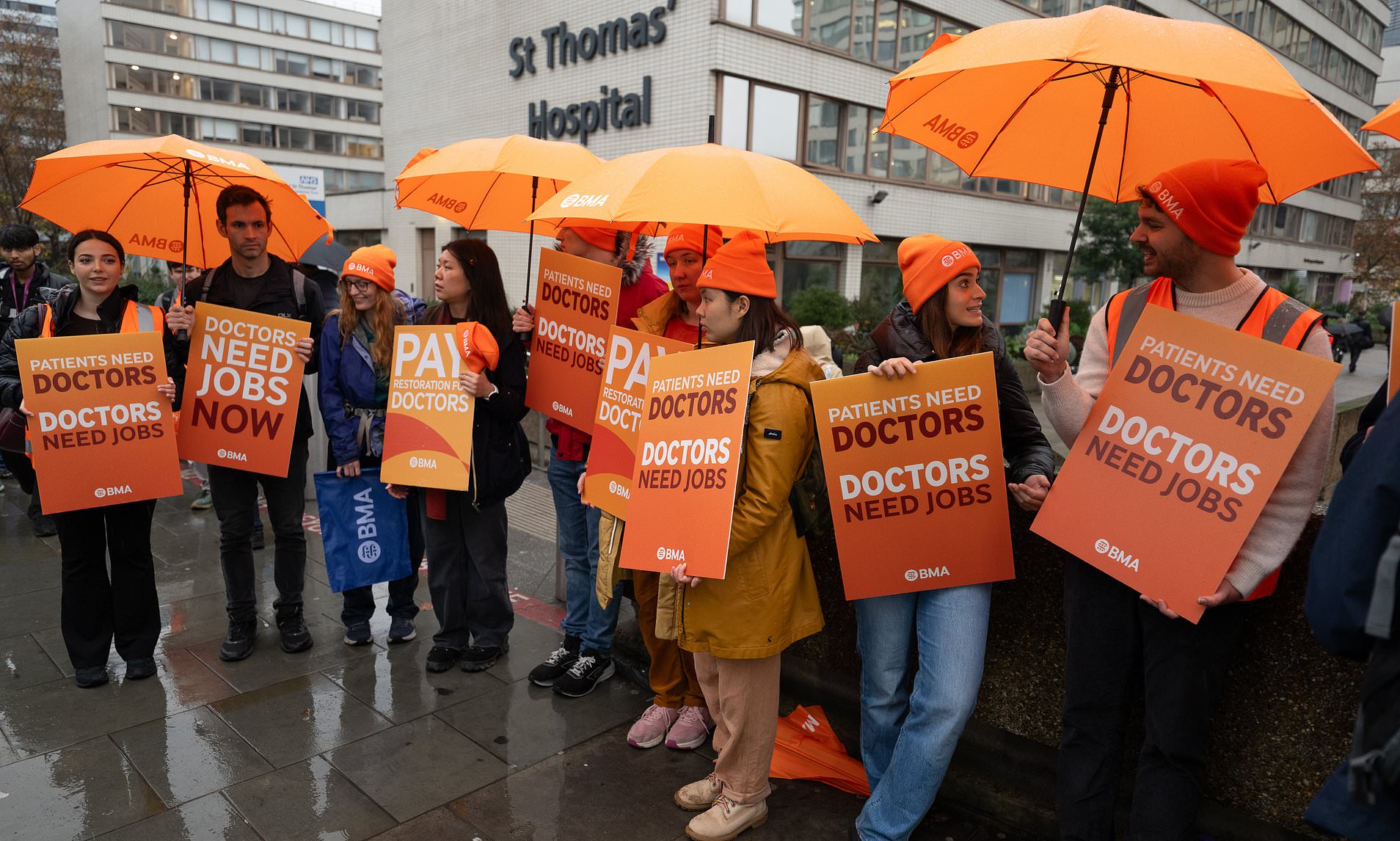
The ongoing strikes by junior doctors in the UK have had a significant financial and operational impact on the healthcare system. These strikes, which are the 15th round of industrial action since 2023, have cost hospitals £3 billion so far. The latest walkout began at 7am on Tuesday and is expected to last for six days. The junior doctors, now referred to as resident doctors, are demanding a 26 per cent pay increase on top of the 28.9 per cent they have already received over the past three years.
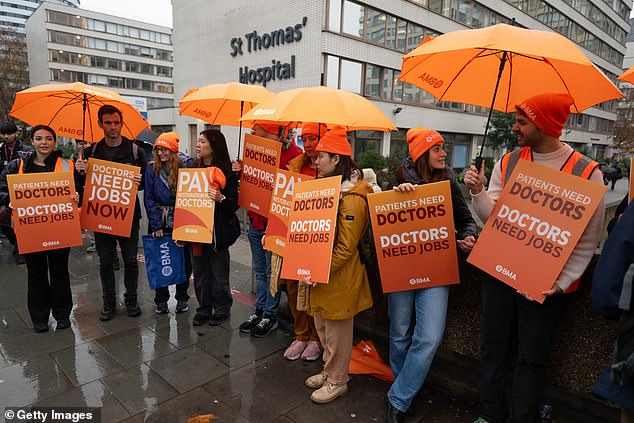
Health officials have warned that the financial burden of these strikes is immense. Every day that medics go on strike, the health service loses around £50 million. This is due to the cancellation of procedures and the need to pay consultants up to £313 an hour to cover for the absent junior doctors. The total cost of the strikes could be used to fund 1.5 million operations, 15 million outpatient appointments, or 75,000 nurses for a year—equivalent to building three new hospitals.
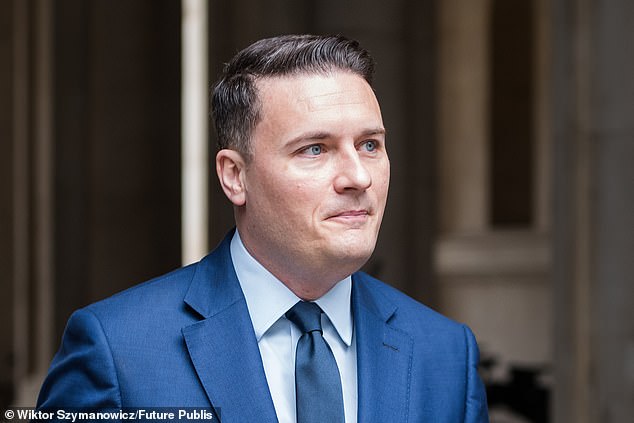
The Health Secretary, Wes Streeting, has criticized the British Medical Association (BMA) for what he calls “sapping the health service of vital funds.” He urged the union to call off the strike and prioritize the needs of patients and the country. Streeting highlighted that the timing of the strike, immediately after the long Easter bank holiday weekend, would cause maximum disruption and further strain on services.
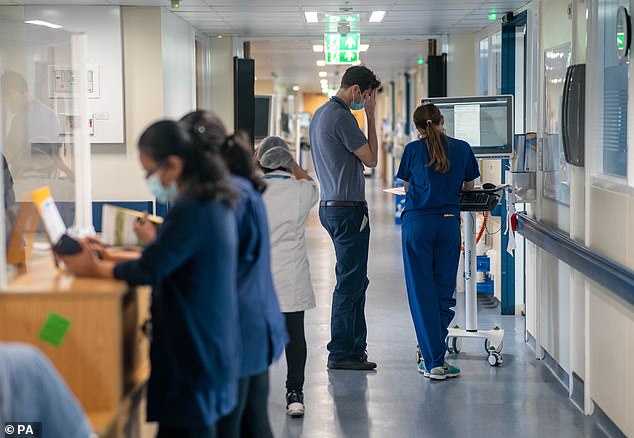
NHS England has also expressed concerns about the impact of the strike. With many people postponing medical care during the extended break, there is an expectation of a surge in demand for services. Additionally, some staff have booked annual leave to coincide with school holidays, reducing the number of available personnel to provide cover.
The BMA previously rejected a deal that would have increased resident doctors’ pay over the past three years to 35 per cent and created thousands of specialty training places. If accepted, this offer would have allowed some doctors to earn more than £100,000 annually, while those in their first year out of medical school would have started on an average of £52,000.
Streeting emphasized that the current funding provided to the NHS is record-breaking, but the BMA’s actions are causing significant financial strain. He noted that a six-day strike could cost over £250 million and has resulted in the loss of 1,000 training places. He urged the BMA to reconsider their position and focus on the well-being of patients and the country.
NHS England acknowledged the difficulty of the situation but stressed that services remain open. Patients are advised to continue attending A&E and dial 999 or 111 as usual. They should also attend scheduled appointments unless contacted otherwise.
Sir Jim Mackey, chief executive of NHS England, highlighted the progress made in reducing waiting times and expressed frustration over the resources being diverted to manage the strike. He thanked the healthcare professionals who are stepping in to maintain essential services during the dispute.
An estimated 7.25 million routine treatments were waiting to be carried out at the end of January, affecting 6.13 million patients. While the number has decreased for three consecutive months, repeated strikes are slowing down efforts to reduce waiting times. This could jeopardize Labour’s promise to treat 92 per cent of patients within 18 weeks of a referral.
Streeting expressed disappointment over the BMA’s decision to proceed with the strikes, but the union insists that ministers must improve their offer to resolve the dispute. Keir Starmer has accused the BMA of being “reckless” for rejecting the government’s pay offer.