The Origins of Coachella: From Protest to Global Phenomenon
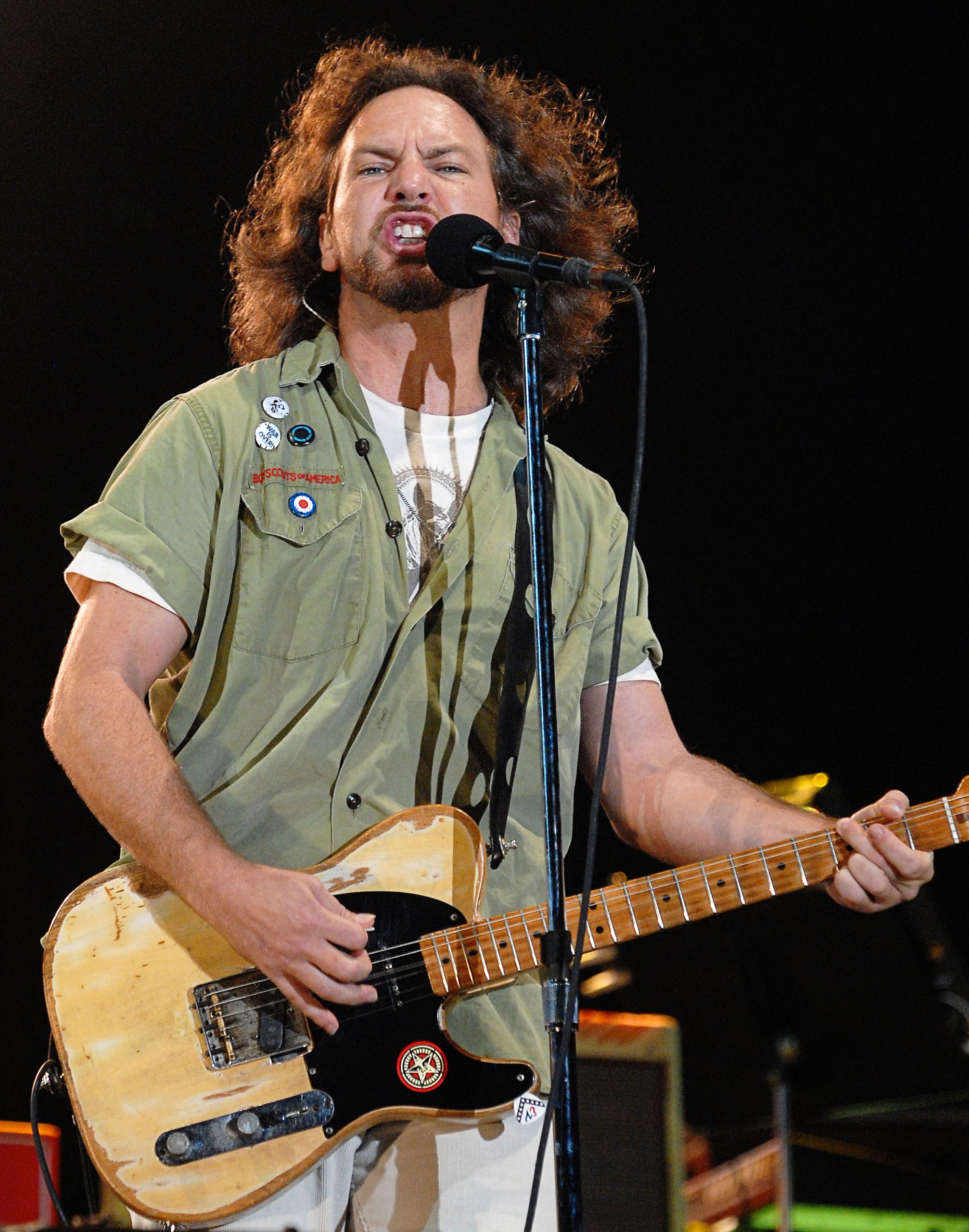
The Coachella Valley Music and Arts Festival is now a global icon, known for its high ticket prices, extravagant fashion, and the presence of countless influencers. However, its origins in 1999 were far from the commercial success it is today. In fact, the festival started as a protest by the rock band Pearl Jam.
Pearl Jam famously boycotted Ticketmaster due to what they considered excessive service charges. They wanted to create an event that would offer more affordable options for fans. This led them to find a suitable venue at the Empire Polo Club in Indio, California, located in the Coachella Valley.
Working with concert promoters Rick Van Santen and Paul Tollett, who ran the company Goldenvoice, Pearl Jam organized the 1993 Vs. Tour in California. The event was a huge success, drawing 25,000 fans and proving that the desert venue could host large-scale events.
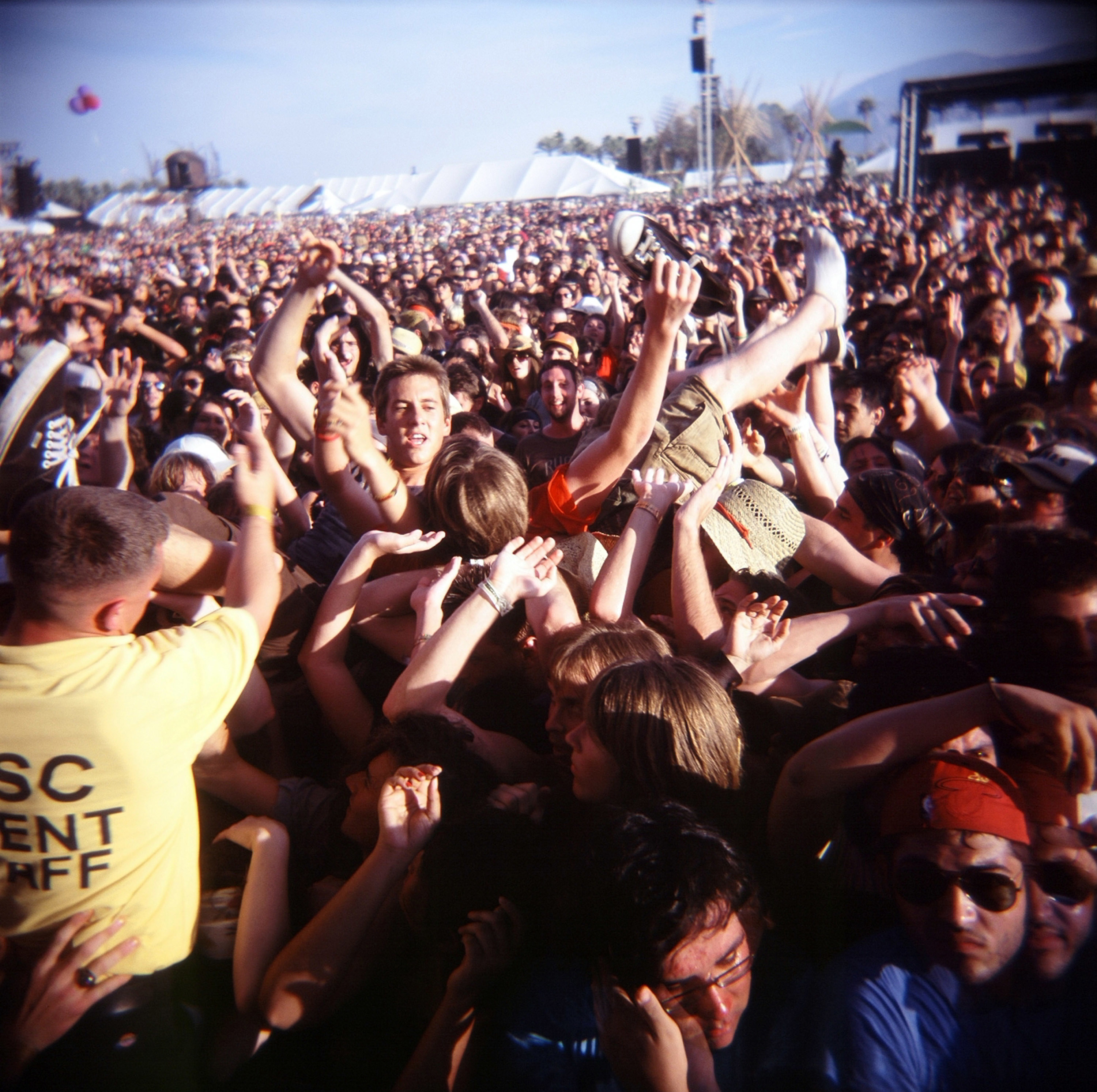
Inspired by this success, Tollett began to think about other possibilities for the venue. In the 1980s, he had built his career on booking acts that may not have topped the charts but remained popular. He believed that bringing together several such acts could attract a large audience.
Tollett aimed to replicate the large-scale music festivals that were popular abroad, like Glastonbury or Reading in the UK, but with the sunny weather of Southern California instead of the gloomy conditions in the UK.
In a 2012 interview with Billboard, Tollett said, “We wanted it to be far. So you surrender. So you can’t leave your house and see a couple bands and be back home that night. We want you to go out there, get tired, and curse the show by Sunday afternoon. That sunset, and that whole feeling of Coachella hits you.”
The festival made its debut in October 1999 with headliners such as Beck, Tool, and Rage Against the Machine. Tickets were priced at just $50 a day, and it was named festival of the year by Pollstar. However, the event faced challenges, as it took place two months after Woodstock 1999, which had been marred by violence, looting, arson, and sexual assaults.
Goldenvoice lost approximately $850,000 on the project and skipped the 2000s run. They returned in 2001 as a single-day event, aiming to be everything Woodstock was not. They introduced free water fountains, misting tents, and plenty of bathrooms to create a “high-comfort festival experience.”
Over almost 30 years, Coachella has built its reputation as a tastemaker, curating both well-known and up-and-coming artists. It has created many historic moments, including the Pixies’ reunion in 2004, Daft Punk’s 2006 pyramid set, and Björk becoming the first female headliner in 2007.
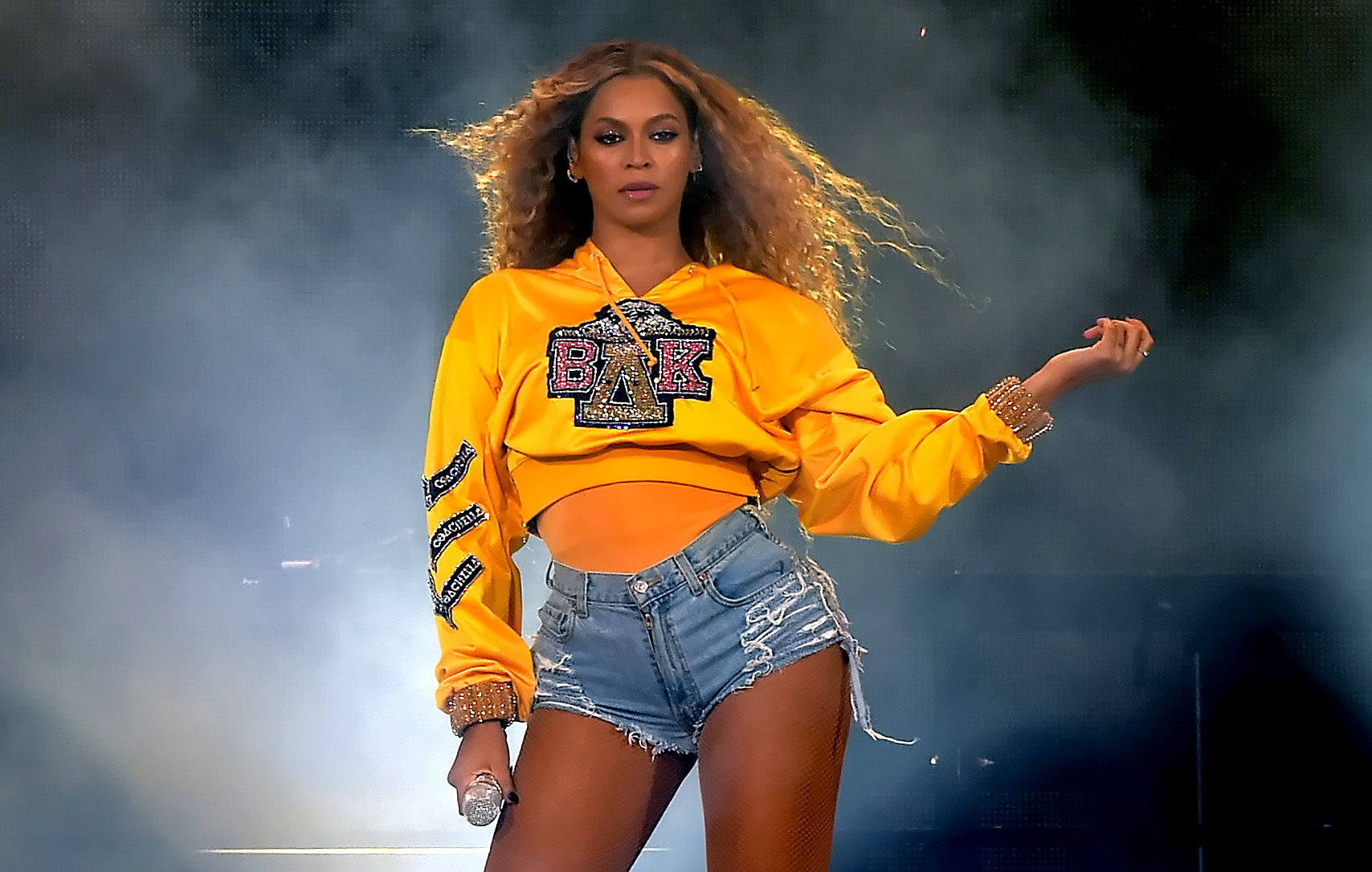
These moments, accumulated over decades, earned the festival credibility with artists who simply wanted to play music. As its popularity grew, so did its budget, leading to big names like Prince, Jay-Z, Paul McCartney, and Kanye West headlining the festival. Beyoncé’s 2018 performance marked a historic moment as she became the first Black woman to headline the show.
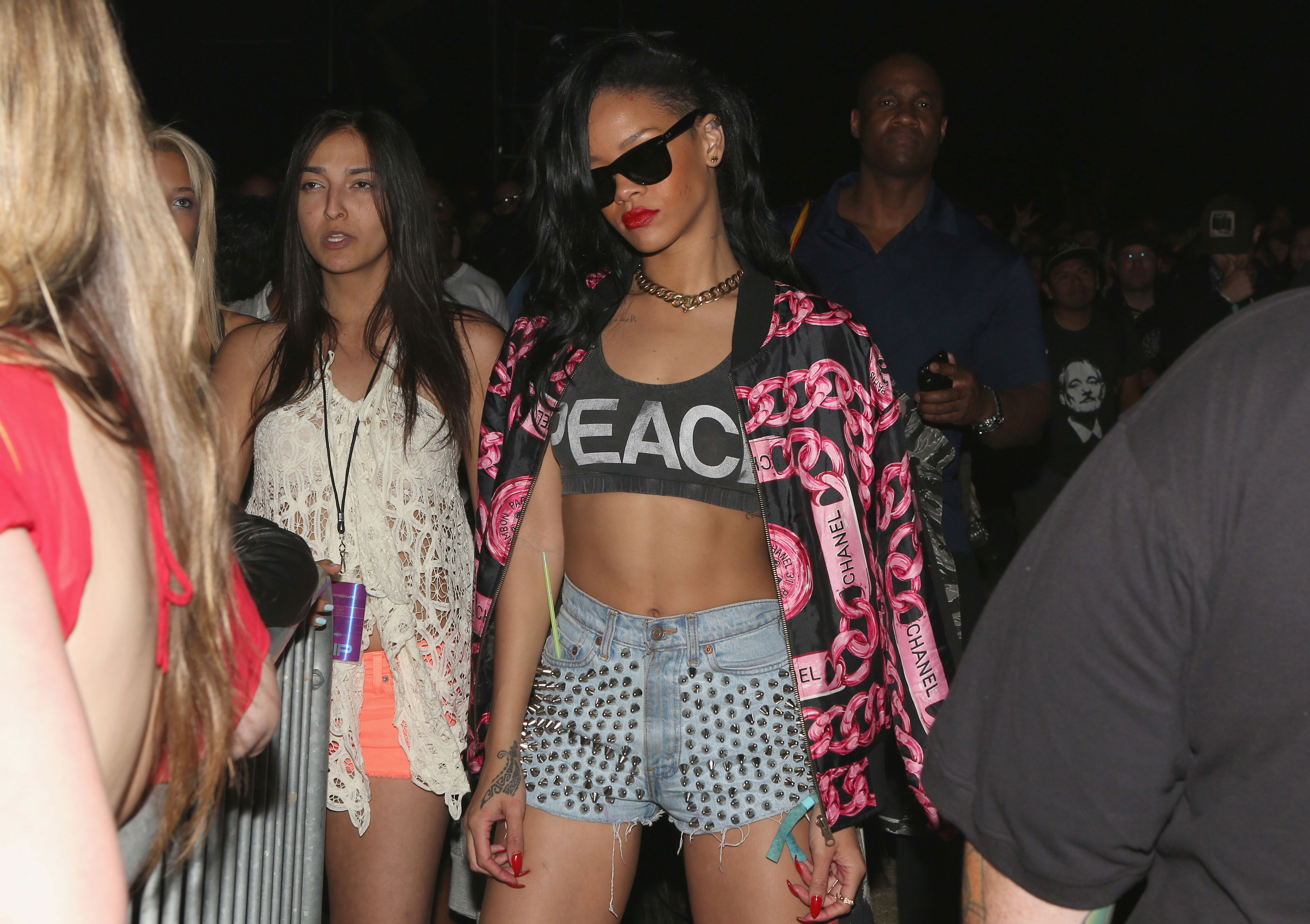
Coachella’s rise coincided with the invention of social media and the rise of influencer culture. The 2010s became a prime time for brands to experiment with live experiences and online engagement. Traditional tastemakers like Vanessa Hudgens or the Kardashians and Jenners were soon joined by ordinary people who gained fame through online platforms.
Fast forward to the 2020s, and the festival has evolved into a finely tuned ecosystem. Brand activations, celebrities, and influencers promote their latest products, festival fashion, and even the music itself. Most of us now watch the festival from our phone screens, following the Instagram stories of influencers sponsored by various brands or watching the live stream that allows those who can’t afford to attend to experience the festival from home.