Free Public Transport in Victoria: Benefits and Challenges
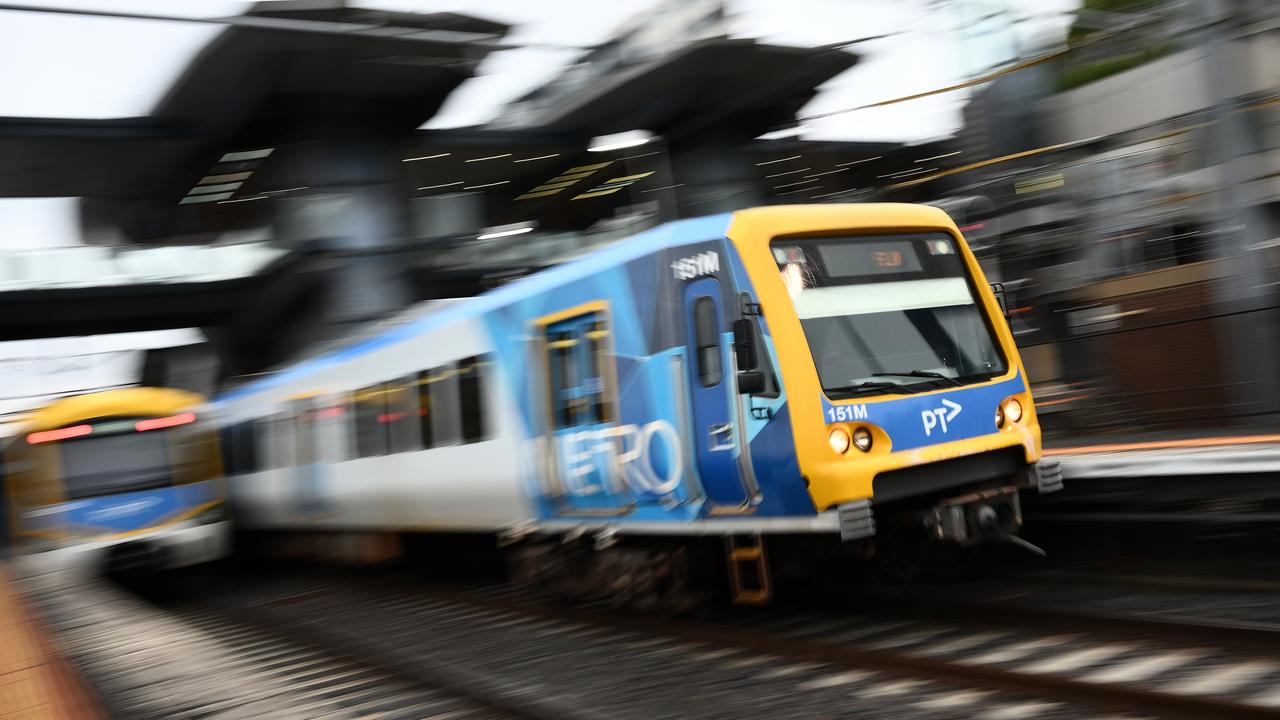
Free public transport has led to increased usage of train lines, as acknowledged by a state leader, but commuters will not be offered any additional dedicated services. The initiative, which allows free travel on trains, trams, and buses across Victoria, will continue for another month before fares are reduced to half their usual rate until the end of 2026.
Starting from June 1, daily Myki fares will be capped at $5.70, which is half of the typical daily maximum of $11.40. According to government estimates, the average commuter will save approximately $850 over six months.
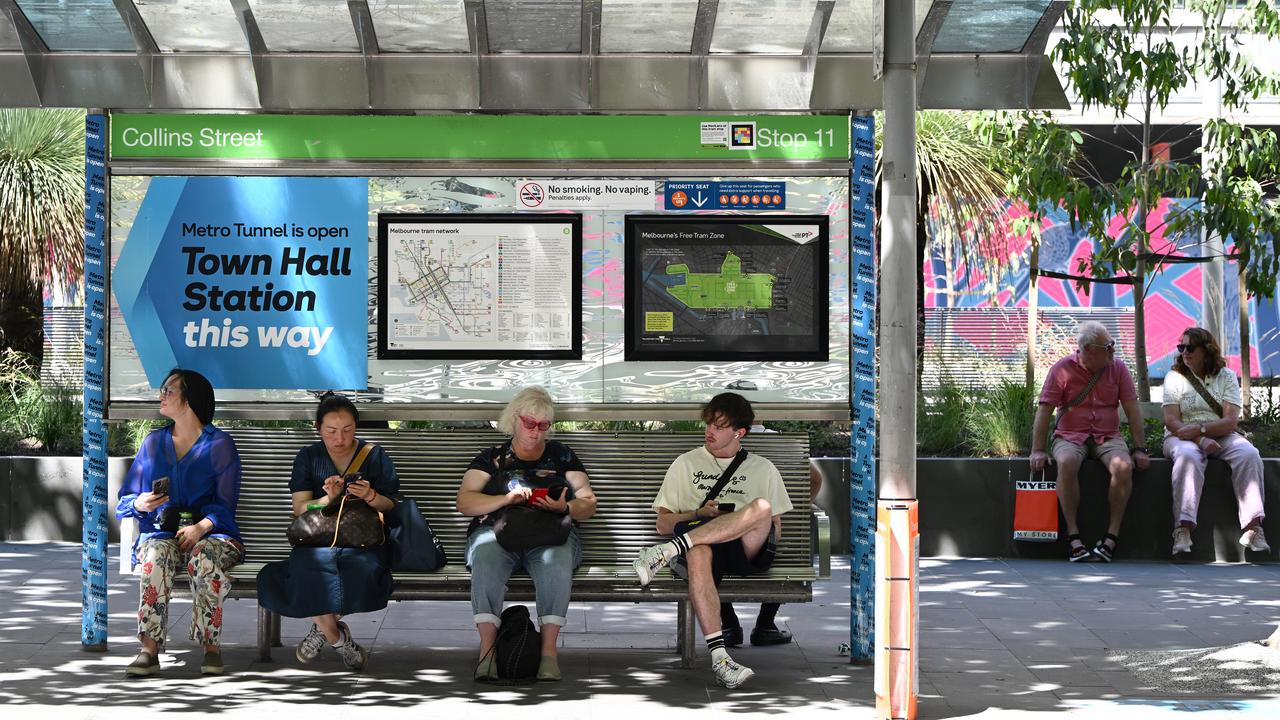
The policy was announced by Premier Jacinta Allan on Sunday and aims to ease pressure on fuel prices by encouraging commuters to switch from cars to public transport. This measure extends Labor’s previous policy of free transport for April, a move that Ms. Allan admitted had caused certain services to become unusually busy.
“I do acknowledge that our regional and metropolitan trains are busier than they have been because public transport is free,” she said during a press conference on Sunday. “That, to me, demonstrates that by listening to the Victorian community, by understanding that they are looking to their government for additional help.”
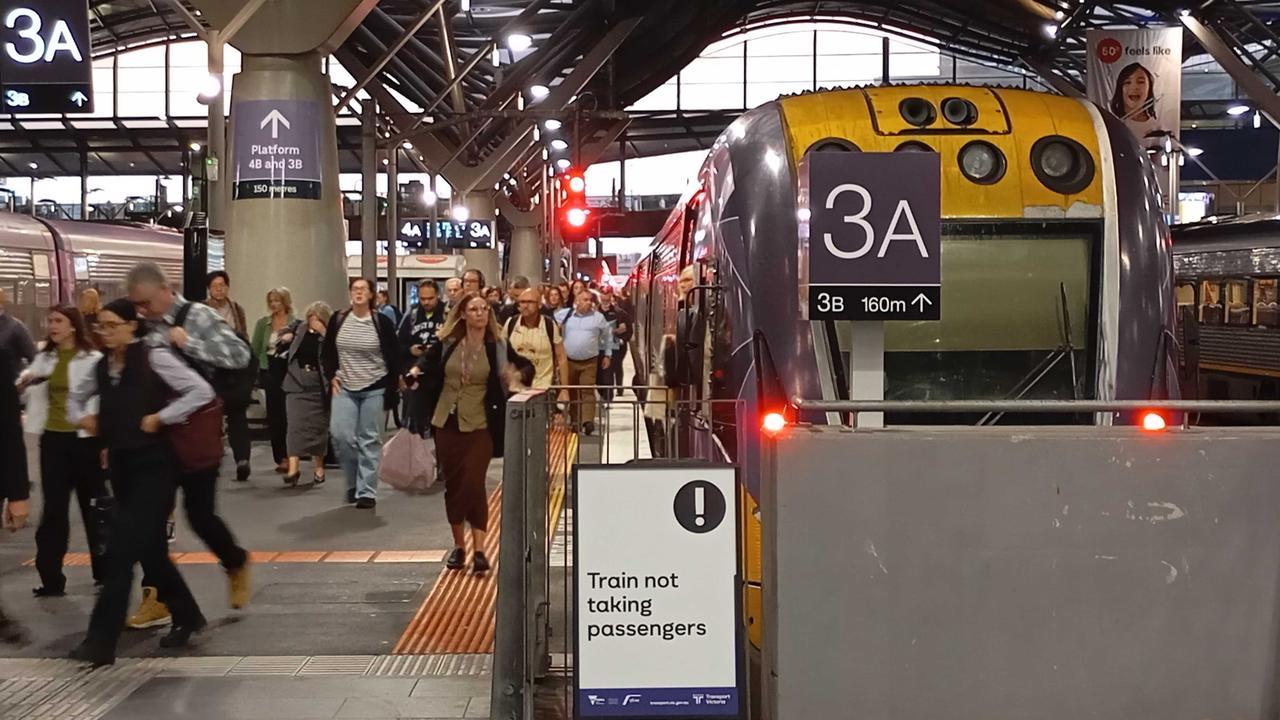
Concerns about overcrowding on V/Line services have been ongoing since the initial month of free travel was introduced, with the situation worsening during the Easter long weekend. When asked whether extra services would be added to handle the increased demand, Ms. Allan emphasized that the government has been working on upgrading the network in recent years.
“We’ve added 1200 additional weekly services as a result of opening the Metro tunnel – those services started from February,” she said. “We’ve got additional services that we announced in last year’s budget that are coming online from the middle of this year, and we added hundreds of additional regional services.”
The initiative is expected to cost $432 million in lost revenue, according to the government, adding to the estimated $70 million spent on free travel in April. These cost-of-living relief measures will be central to the upcoming state budget, set to be released in May, and come amid an election year.
Opposition Leader Jess Wilson welcomed the policy as a positive step for cost-of-living relief but stressed the need for improved safety measures. Protective service officers will be redeployed from 119 suburban train platforms to focus on crime hotspots, as announced by Victoria Police on Saturday.
Ms. Wilson argued that this change could leave commuters more vulnerable to crime, especially during times when public transport is already busier than usual.
“I think Victorians will be rightly concerned that … the premier is promising to provide free or discounted access to public transport, she’s also making public transport less safe,” she told reporters on Sunday. She also pointed out that the benefits of free transport may not reach all Victorians, particularly those who live far from public transport lines.
The policy comes against the backdrop of global fuel security concerns linked to conflicts in the Middle East. A fire at one of Australia’s two remaining oil refineries late on Wednesday has also sparked questions about domestic fuel security. The Viva Energy Geelong refinery, located southwest of Melbourne, supplies more than half of Victoria’s fuel and about 10 per cent of the country’s total. Although the refinery is currently operating below full capacity, Viva Energy has assured the public that consumers will not be affected.