A Controversial Land Dispute in Kent
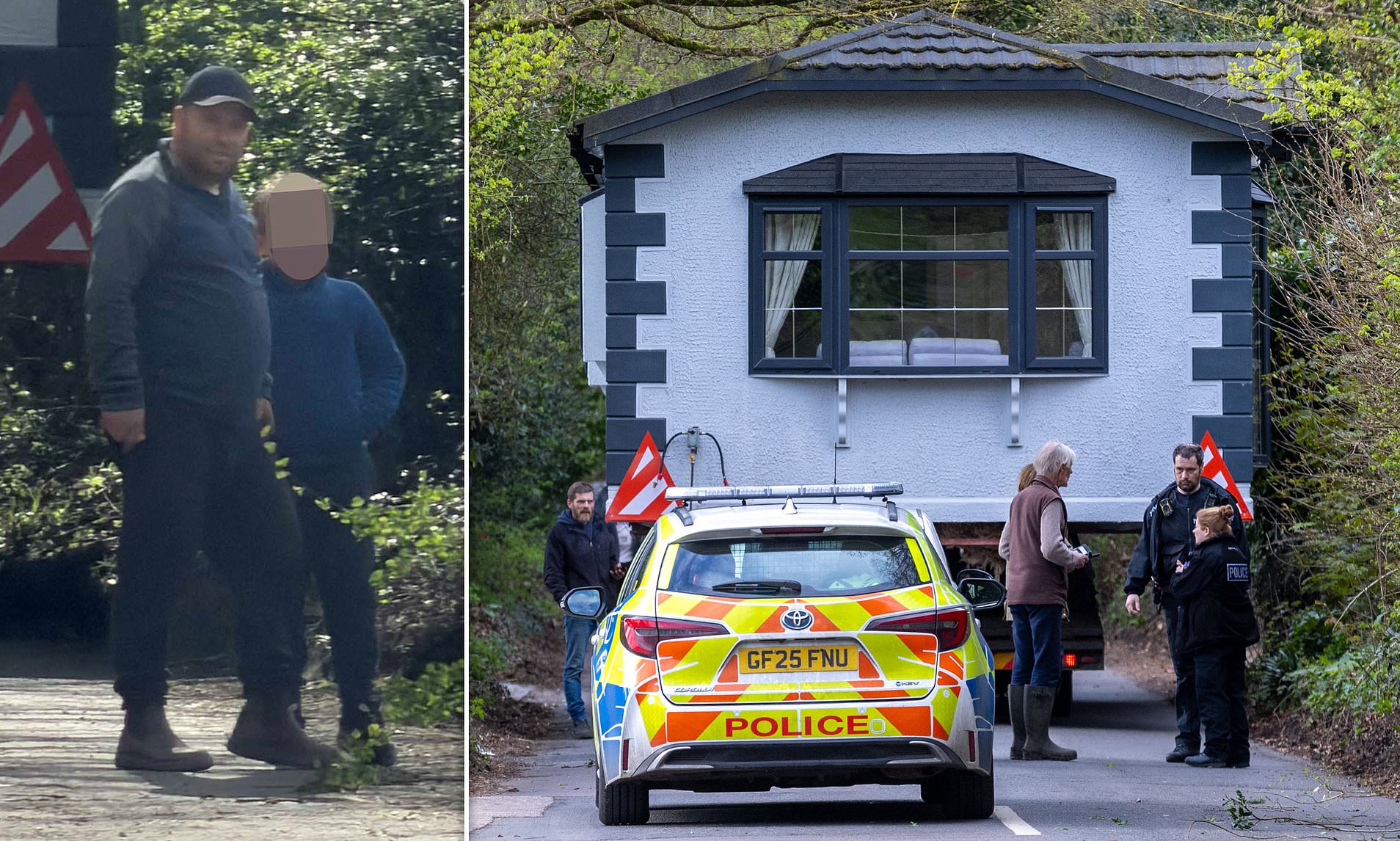
A recent incident in the village of Sundridge, Kent, has sparked a heated debate about land ownership, human rights, and local governance. The situation involves Miles Martin Connors, a 45-year-old traveller who bought a one-acre field at auction for £167,000 last October. His family’s actions have caused significant disruption to the community, raising questions about the balance between individual rights and public interest.
A Military-Style ‘Land Grab’
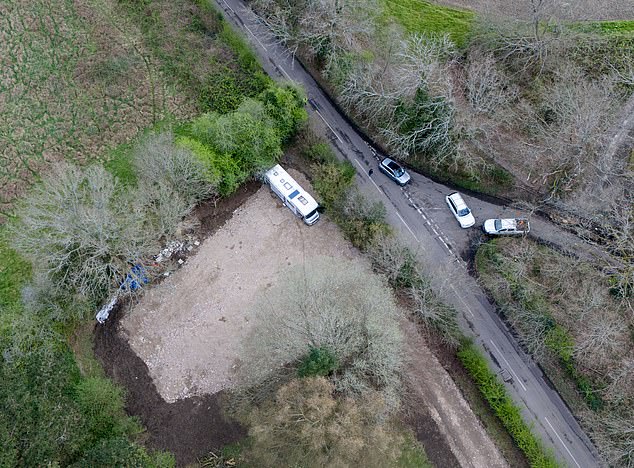
The controversy began over the Easter weekend when up to 25 lorries arrived on Good Friday, bringing tonnes of rubble to the field. Using diggers and machinery, the group transformed the green space into a hardstand caravan site. This move was met with immediate resistance from local residents, who were horrified by the sudden change in their picturesque village.
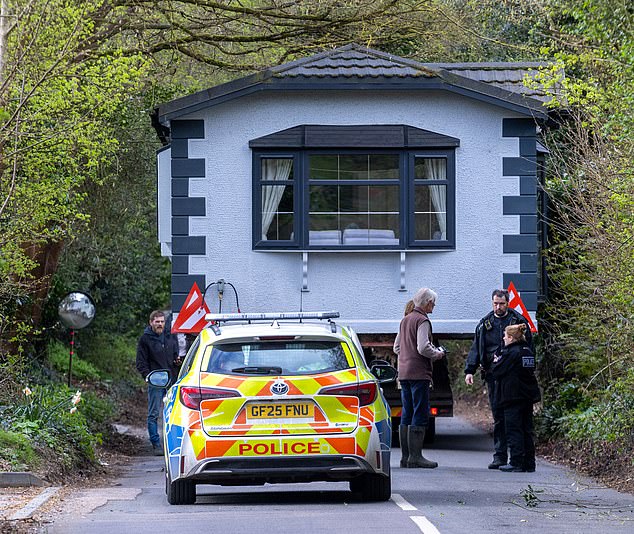
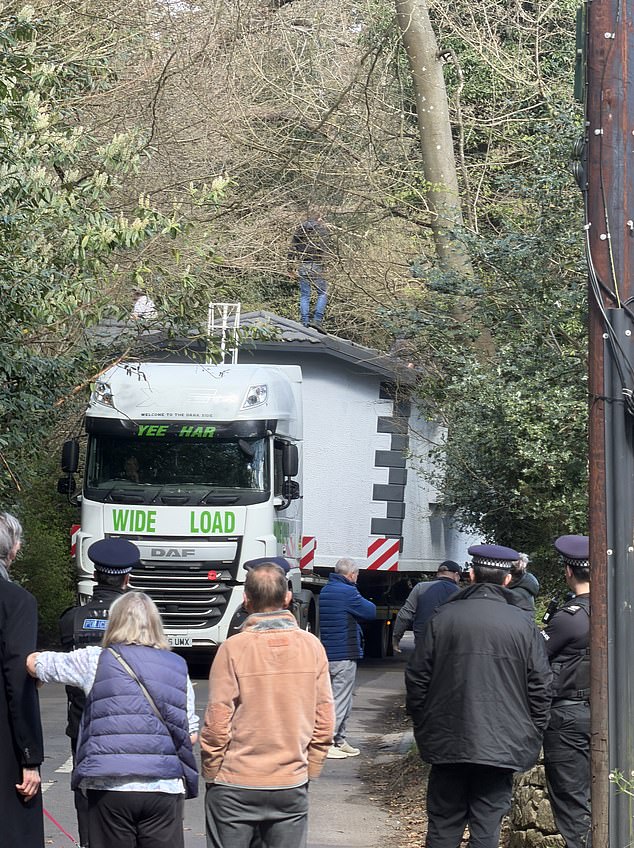
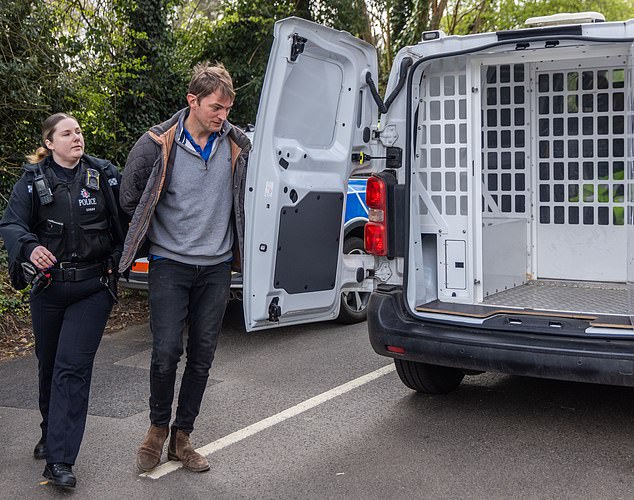
The situation escalated further when one of the three-bedroom static caravans loaded onto a lorry became stuck in a country lane near the field. This incident led to protests from the local community, but what shocked many was that it was a local resident, not the travellers, who was arrested by the police.

Legal Implications and Temporary Stay
Sevenoaks District Council has since served an enforcement notice on Mr. Connors, ordering him to return the land to its previous condition. However, under the Human Rights Act and the Equality Act, Mr. Connors, his wife, and their three children are allowed to live there temporarily. They have been given a 56-day exemption until June 2, during which they can stay using only two of the four vehicles currently on the site.
The Temporary Stop Notice (TSN) also prevents Mr. Connors from carrying out any further engineering works or development on the land. Additionally, he is not permitted to connect to utilities such as water and electricity.
Under the Enforcement Notice, Mr. Connors must remove all hardcore rubble, caravans, and other vehicles and return the field to its original condition by August 10. He is also required to remove the hardcore and re-seed the field with a wild meadow grass mix by that date.

Community Outcry and Political Response
Local residents have expressed frustration and anger over the situation. One villager commented, “It’s absolutely typical that travellers who show little regard for the human rights of law-abiding residents use the Human Rights Act to play the system.” Another said, “We’ve seen very similar cases all across the country and councils never manage to enforce the planning rules.”
Laura Trott, MP for Sevenoaks and shadow education secretary, has called for changes to the law to prevent retrospective planning applications in cases where unauthorised developments have occurred. She has written to the Secretary of State for Housing, Communities and Local Government, requesting a meeting to discuss the impact of such developments on the community.
Police Involvement and Confusion
Kent Police faced accusations of “aiding and abetting” the travellers’ “land grab” by helping them move the lorry and static home onto the site. A local resident described the scene as chaotic, with people using chain saws on top of vans to clear the way. The police clarified that their role was to address the blocked road, not to facilitate the movement of the caravan.
Superintendent Elena Hall of Kent Police stated, “Matters concerning private land ownership and access is a civil matter, and not something the police have powers in regard to, although we work with and support partner agencies who do when requested.”
Ongoing Legal and Environmental Considerations
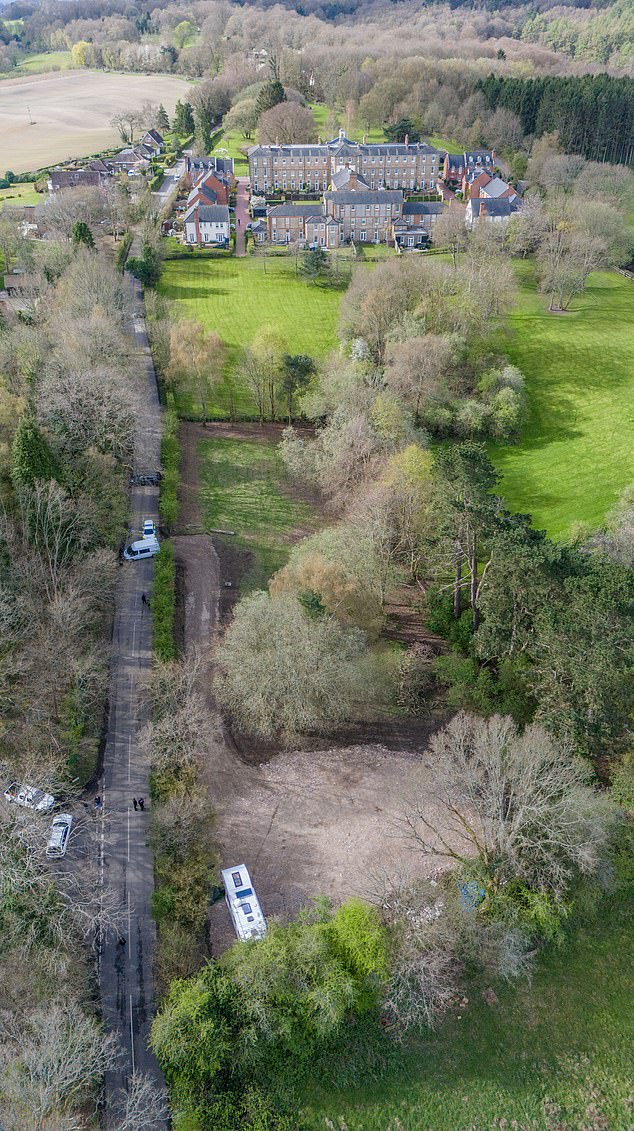
Sevenoaks District Council confirmed that no additional caravans or mobile homes are on the site, and that plant and hardcore were being removed. The site is located in the Green Belt and the Kent Downs National Landscape, with trees that are not protected by a Tree Preservation Order.
The council will now undertake a robust assessment of the impact of the unauthorised use and works, considering potential harm to biodiversity and the public highway.
James Evans, the son of parish council chairman John Evans, was arrested at the site on suspicion of obstructing a police officer and later released pending an investigation.
As the situation unfolds, the community remains divided, with calls for legal reform and stronger enforcement of planning regulations. The case highlights the complex interplay between individual rights, environmental protection, and local governance.