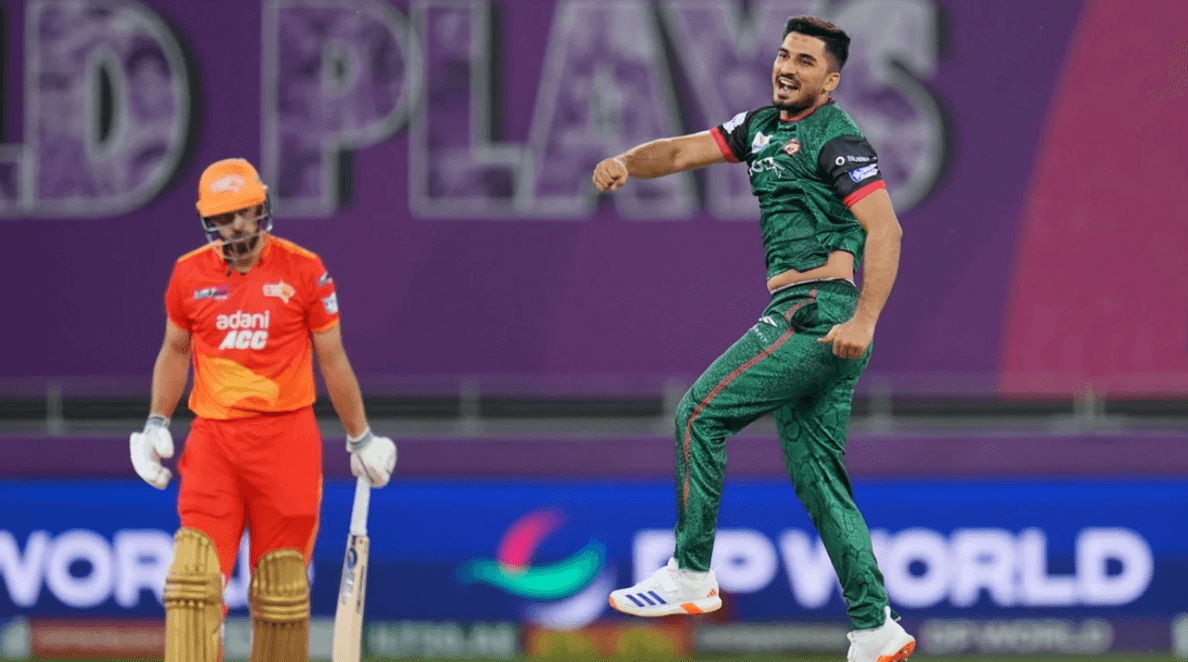
A New Era for UAE Cricket
Five cricketers have made history by becoming the first to receive UAE citizenship through naturalisation, marking a significant shift in the country’s cricketing landscape. Khuzaima Tanveer, Ajay Kumar, Akshdeep Nath, Harpreet Bhatia, and Adeeb Usmani are now officially Emirati nationals, breaking away from the traditional residency-based eligibility that has defined UAE cricket for years.
This development comes as part of the squad currently touring Nepal for T20Is and an ODI tri-series. The players now have immediate international representation eligibility through citizenship rather than relying on ICC residency criteria. This change not only enhances their status but also opens up new opportunities for the UAE cricket team.
Understanding Naturalisation in the UAE
Citizenship through naturalisation is a legal process where a foreign national acquires nationality after fulfilling specific requirements or through special provisions. In the UAE, this route has historically been restrictive, often linked to long-term residency and language requirements. However, recent policy changes have enabled citizenship grants by merit, particularly for individuals contributing to national sectors, including sport.
The new policy reflects a broader strategy to promote national identity and encourage talent within the country. It also aligns with the UAE’s vision to become a global hub for sports and culture.
Transition from Residency to Nationality
Cricket in the UAE has largely operated on expatriate participation, where players qualified after three years of residence under ICC rules. The new development alters that structure, placing these players in a different category with passport-backed eligibility. This distinction reduces administrative barriers and offers long-term stability compared to renewable residency permits.
Ajay Kumar, one of the newly naturalised players, shared his thoughts with The National, stating, “From the day I landed in the UAE, it was my dream to represent the country at the international level. Now I am getting this chance and all thanks to UAE, the support staff, and I have really been helped by playing domestic and club level cricket.”
Player Response and Competitive Context
Khuzaima Tanveer described the opportunity as significant, stating, “If you get this opportunity to represent your country, it is a feeling that is out of this world for any player.” He also acknowledged the role of domestic competitions such as ILT20 and Abu Dhabi T10 in shaping his progress.
The move aligns UAE cricket with other sports in the country, where citizenship has been granted to athletes through government decrees since 2018. With the team preparing for matches in Nepal, the inclusion of citizen players adds a new dimension to squad composition.
Broader Implications for UAE Cricket
While the immediate impact lies in eligibility and representation, the broader implication remains structural, as UAE cricket transitions from a residency-based system to one incorporating nationality-backed participation. This shift could lead to more long-term investment in local talent and a stronger national identity within the sport.
The success of these five players may encourage more expatriate athletes to pursue citizenship, further enriching the UAE’s sporting landscape. It also highlights the importance of domestic leagues in nurturing talent and providing a pathway to international recognition.
As the UAE continues to develop its cricket infrastructure, the integration of naturalised citizens into the national team represents a positive step towards building a more inclusive and competitive cricketing environment. This initiative not only benefits the players but also strengthens the overall profile of UAE cricket on the global stage.