The Role of Siblings in Developing Empathy
Children who grow up with a brother or sister already know that the relationship can shape who they become. New research now provides concrete evidence that one specific skill develops between siblings in a measurable, bidirectional way: the capacity for empathy. A study led by researchers at the University of Toronto and the University of Calgary found that a sibling’s level of empathic concern directly influences the other sibling’s growth in that same trait over time, independent of parental influence.
The study, published in the journal Child Development, tracked 452 families with young children over 18 months and found that both older and younger siblings contributed uniquely to each other’s empathy development. When one sibling demonstrated strong skills in showing care and concern for others in distress, the other sibling showed measurable gains by the end of the study period. The effect held true regardless of birth order.
How Researchers Measured Empathic Concern in Young Siblings
Empathy is not merely an abstract virtue. In psychological research, it is understood as the observable ability to respond with care and concern when another person is upset or in need. The researchers measured this by observing how young children reacted when an adult pretended to be distressed after breaking a valued object, hurting a knee, or catching a finger in a briefcase. A child demonstrating strong skills in this context shows feelings of genuine concern for others.
Why this sibling effect occurs has much to do with the sheer volume of time brothers and sisters spend together. Most people grow up with at least one sibling, and children typically spend more hours interacting with each other than they do with parents or friends. Within that extended contact, siblings provide constant opportunities to observe, interpret, and respond to another person’s emotional state.
A younger sibling watches how an older brother comforts a friend. An older sister notices when her younger brother shows unexpected tenderness toward a pet. These repeated interactions create what the researchers describe as a reciprocal influence model.
Isolating the Sibling Effect
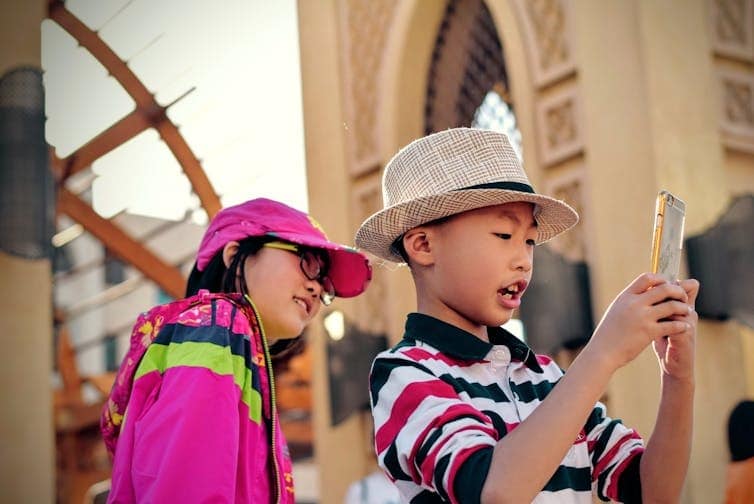
The study’s design allowed the research team to isolate the sibling effect from other factors. By controlling for parenting styles, demographic characteristics, and the overall quality of the sibling relationship, the researchers could attribute changes in a child’s empathy specifically to the influence of the other sibling.
The findings revealed that children who are kind and supportive toward others influence their siblings to act and behave in similar ways. If one sibling initially struggles but has a brother or sister who demonstrates strong empathic skills, that less-empathic sibling still improves over time through the relationship.
Age Gaps and Birth Order Change the Dynamic
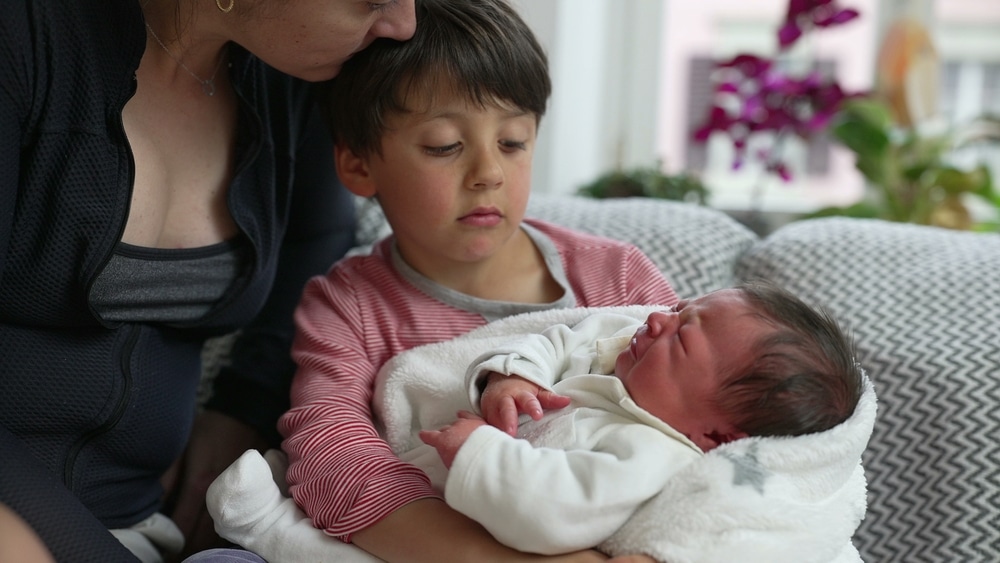
Age differences between siblings did alter the dynamic in measurable ways. The study included siblings within a maximum four-year age gap, and within that range, larger age differences strengthened the influence of older siblings on younger ones. The bigger the gap, the more effectively older brothers and sisters modeled empathic behaviors for the younger child to absorb. The research also noted that younger brothers did not significantly influence the empathy levels of their older sisters, pointing to subtle variations in how sibling dynamics operate across different gender and age configurations.
Challenging Common Assumptions
The findings challenge common assumptions about sibling relationships being defined primarily by rivalry, jealousy, and competition for parental attention. While those dynamics certainly exist in many families, a quieter and more constructive process runs parallel to the daily squabbles over toys and attention. Siblings are teaching each other how to recognize distress, offer comfort, and regulate responses to others in need. This learning happens without explicit instruction, emerging instead from the natural flow of shared family life.
A Shift in Understanding Child Development
This research marks a shift in how developmental psychologists understand the forces that shape a child’s social and emotional growth. For decades, studies focused heavily on the parent-child relationship as the primary engine of development, showing how parents influence confidence, academic performance, and peer interactions.
Sibling relationships received far less attention despite their near-universal presence in childhood. The current study adds to a growing body of evidence that brothers and sisters function as significant developmental agents in their own right, capable of boosting language development and deepening a child’s understanding of other minds and perspectives.
For parents observing the daily friction that often defines sibling life, the research offers a different lens. The arguments over fairness and the competition for attention are real, but they coexist with a deeper and more formative exchange of emotional understanding. When siblings are given space to interact and care for one another in age-appropriate ways, they participate in an ongoing education in what it means to be concerned for another person’s wellbeing.