The Origins and Characteristics of Craftsman-Style Homes
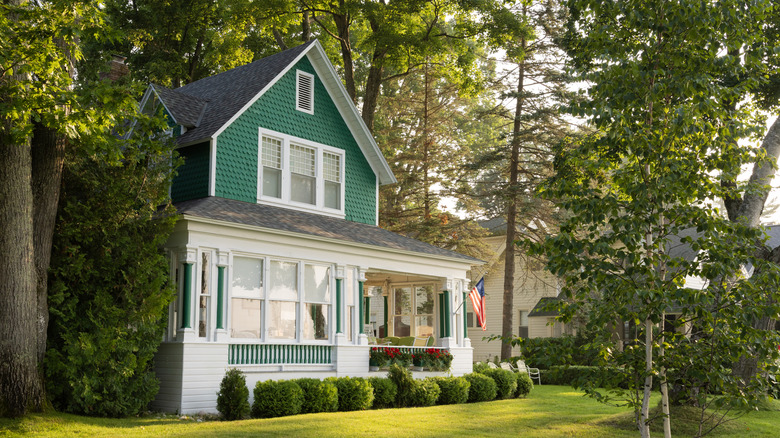
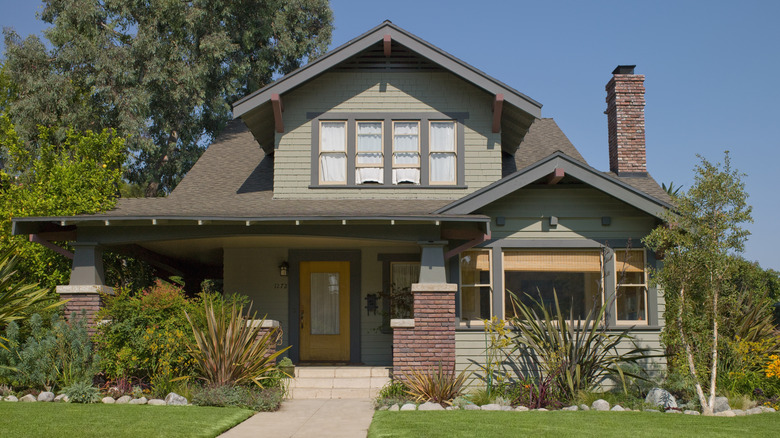
The American Craftsman-style home is a product of the Arts and Crafts art movement that emerged in the late 19th and early 20th centuries. This movement was a reaction against the mass industrialization of the time, emphasizing handmade craftsmanship as a way to bring beauty and quality back into everyday life. The key features of Craftsman homes include low and sloping rooflines, long eaves, expansive front porches, and exposed timbers. These elements reflect a design philosophy that values natural materials, functionality, and aesthetic appeal.
Inside, Craftsman homes are known for their built-in elements such as lighting fixtures, bookshelves, and prominent fireplaces. Exposed beams and dark wood accents on the walls add to the warm, inviting atmosphere. These homes are not just structures but expressions of artistry and craftsmanship from their era. However, after the 1920s, the production of these homes nearly ceased because they did not meet the practical needs of the average person during the Great Depression.
The Rise and Decline of Craftsman-Style Homes
The peak of Craftsman-style home production occurred between the 1910s and 1920s. Originating in Southern California, these homes took on a bungalow look that became popular for residential construction. Their design quickly spread across the country, with each region adding its own unique touch. The growing middle class in the 1920s made these handmade homes more accessible. But this trend came to an abrupt halt in 1929 with the onset of the Great Depression.
The economic downturn significantly changed the housing landscape in the United States. A study by the Charlotte-Mecklenburg Historic Landmarks Commission noted that while the wealthy continued to build extravagant homes, the middle class turned to more economical options like the Cape Cod cottage, which became widely popular. Craftsman-style homes, with their ornate designs, were simply too expensive to build affordably during this period.
Post-War Housing Trends and the Craftsman Legacy
After the Great Depression and World War II, the U.S. economy experienced a period of growth and optimism. One might expect that Craftsman-style homes would make a comeback. However, this did not happen. Instead, other styles gained popularity. A-frames, for example, offered affordability and uniqueness but eventually fell out of favor by the 1970s. The intricate details of Craftsman homes could not compete with these simpler, trendier, and easier-to-build styles.
The rise of luxury McMansions in the 1980s through the 2000s seemed to spell the end for any potential revival of Craftsman-style homes. Yet, recent data from Realtor suggests a shift in buyer preferences. The report indicates that Craftsman homes are once again being purchased and even built for custom home buyers. This resurgence is driven by a desire for character, warmth, and charm—qualities that modern, cookie-cutter homes often lack.
The Future of Craftsman-Style Homes
While it is still too early to predict a full-scale revival of Craftsman-style homes, one thing is clear: these homes are gaining attention again. Buyers are seeking unique, well-crafted spaces that offer a sense of history and personality. As the demand for distinctive, high-quality homes continues to grow, the Craftsman style may find a new place in the American housing market.
For those interested in design inspiration, there are many resources available. Joining a free newsletter can provide access to home and garden tips, design hacks, and DIY projects. Subscribers can also add preferred search sources to stay updated on the latest trends and ideas.